NCSA’s Advanced Visualization Lab worked with researchers and scientists to make Earth data more accessible and easier to process.
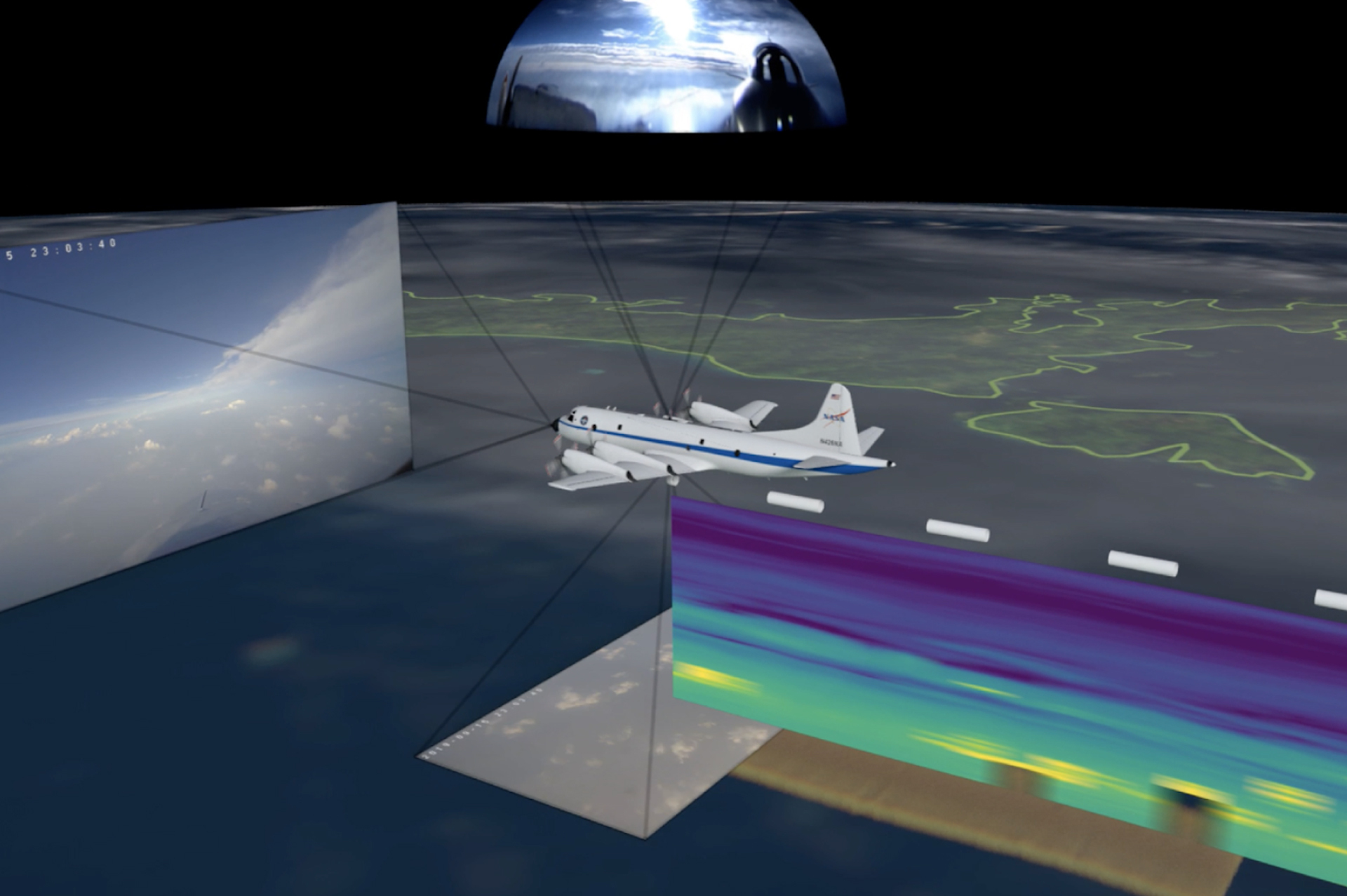
NCSA’s Advanced Visualization Lab worked with researchers and scientists to make Earth data more accessible and easier to process.

NCSA researchers use high-energy physics and AI to develop FAIR guidelines that drive discovery and innovation through improving data management and stewarding best practices.

The free tool now includes enhanced weather forecasting and nitrogen estimation, leading to better-informed decisions in farming.
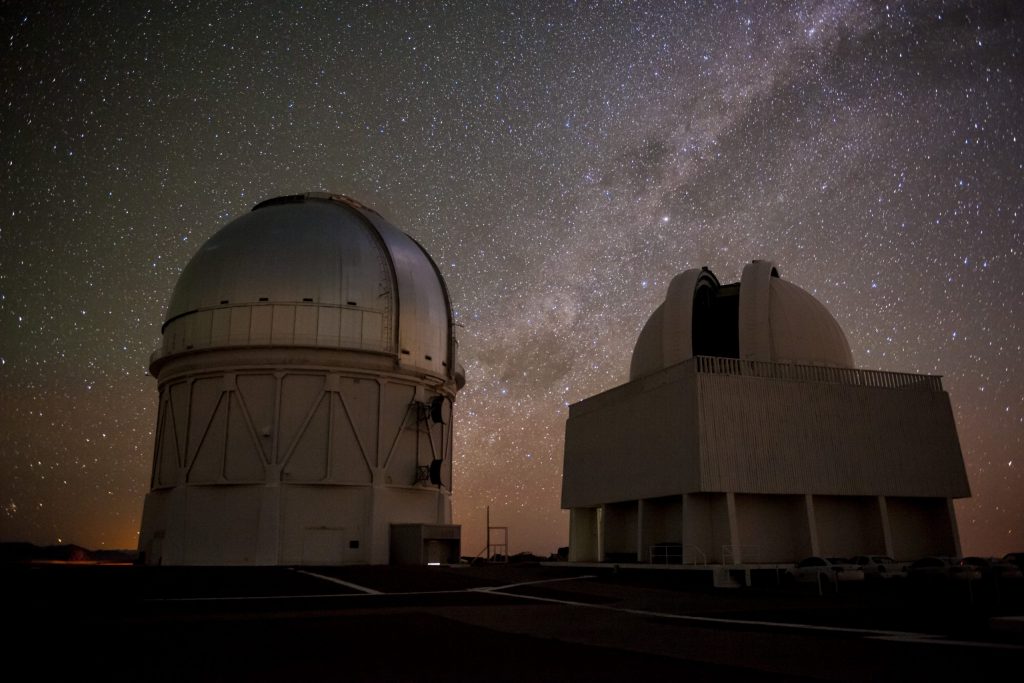
NCSA-supported research helps map the Eridanus supervoid near Earth. Verifying its existence could mean that the universe is expanding faster than expected.
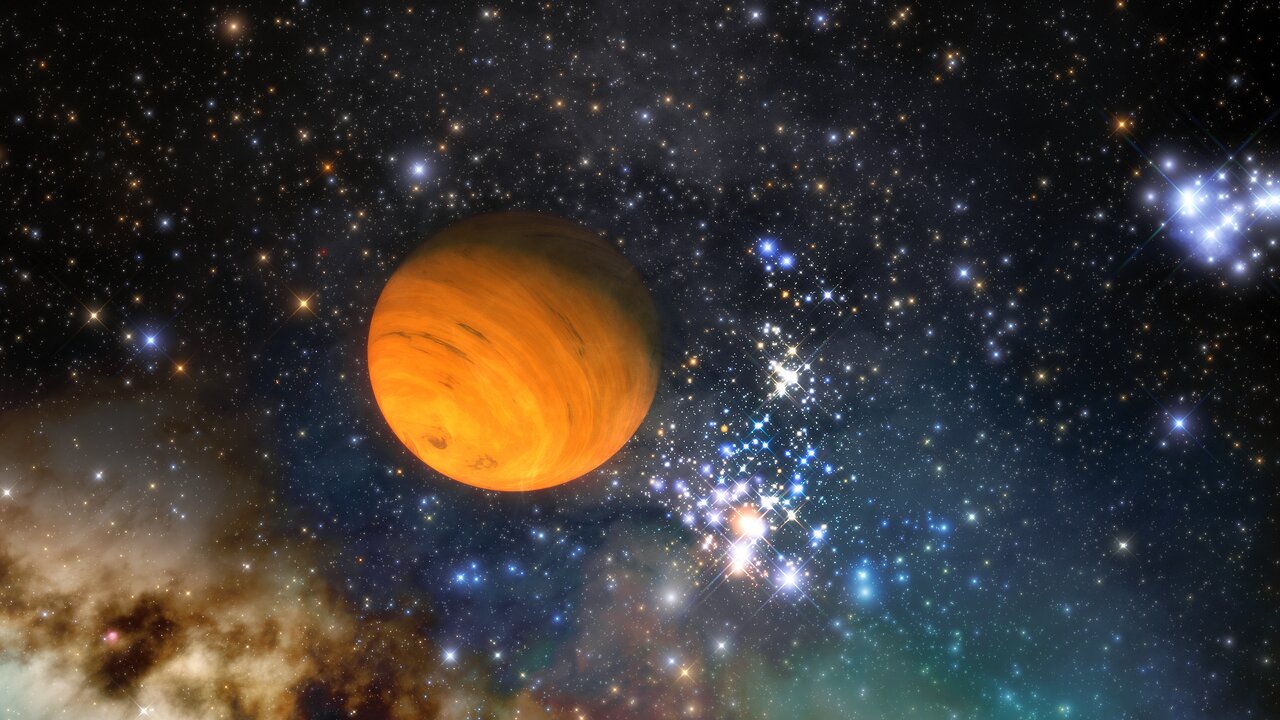
Through the Dark Energy Survey, astronomers discovered more than 70 Jupiter-sized exoplanets in the Milky Way.
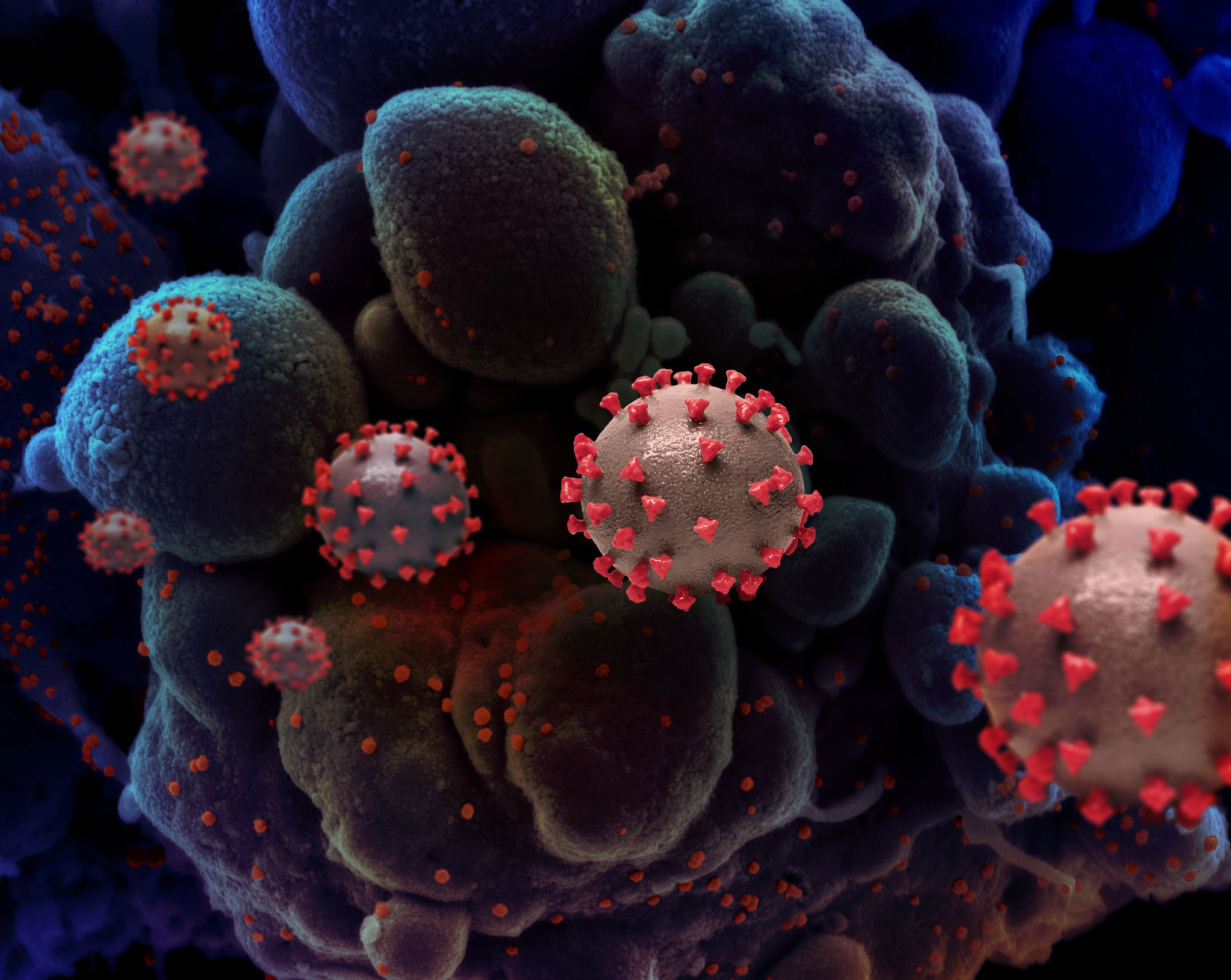
Working closely with the Center’s Healthcare Innovation Program Office, the NCSA Visual Analytics team and faculty affiliates collaborate with NIH and ISB scientists to gain insight into future COVID-19 treatments.
Using supercomputers across the nation, including NCSA Blue Waters, researchers used nanopores to identify proteins with single amino acid resolution.
NCSA’s Seid Koric, Brendan McGinty, and Shirui Luo participated in Lawrence Livermore National Laboratory’s Machine Learning for Industry Forum in August.

NCSA’s Community Data Clinic helps provide laptops and internet access.
NCSA leads paper in Nature Reviews Physics concerning Big Data and Multi-Messenger Astrophysics