NCSA-supported research helps map the Eridanus supervoid near Earth. Verifying its existence could mean that the universe is expanding faster than expected.
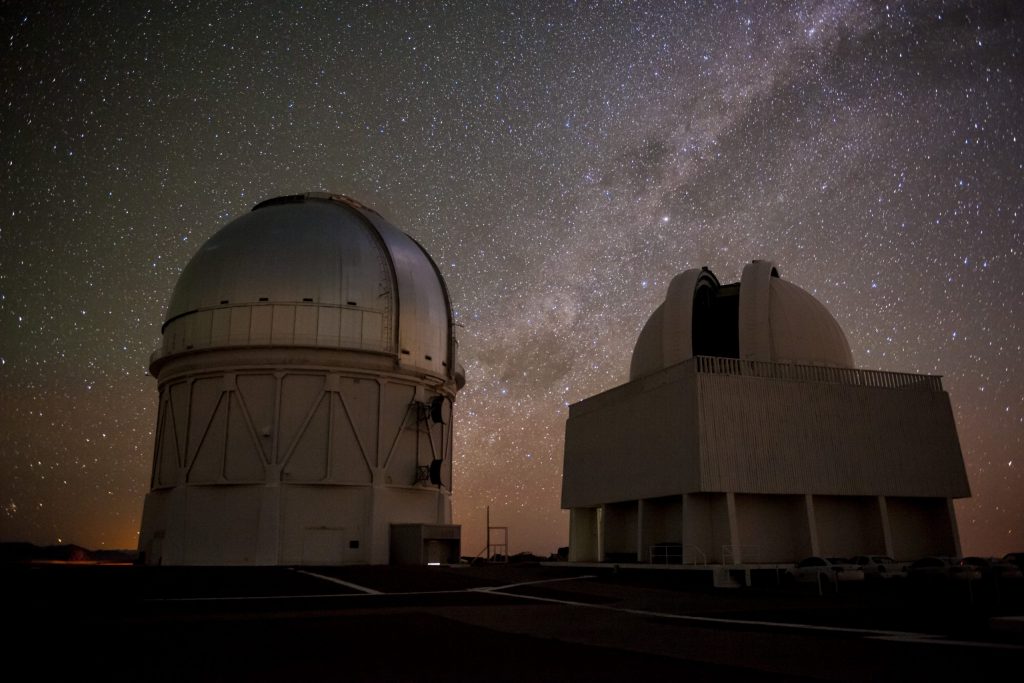
NCSA-supported research helps map the Eridanus supervoid near Earth. Verifying its existence could mean that the universe is expanding faster than expected.
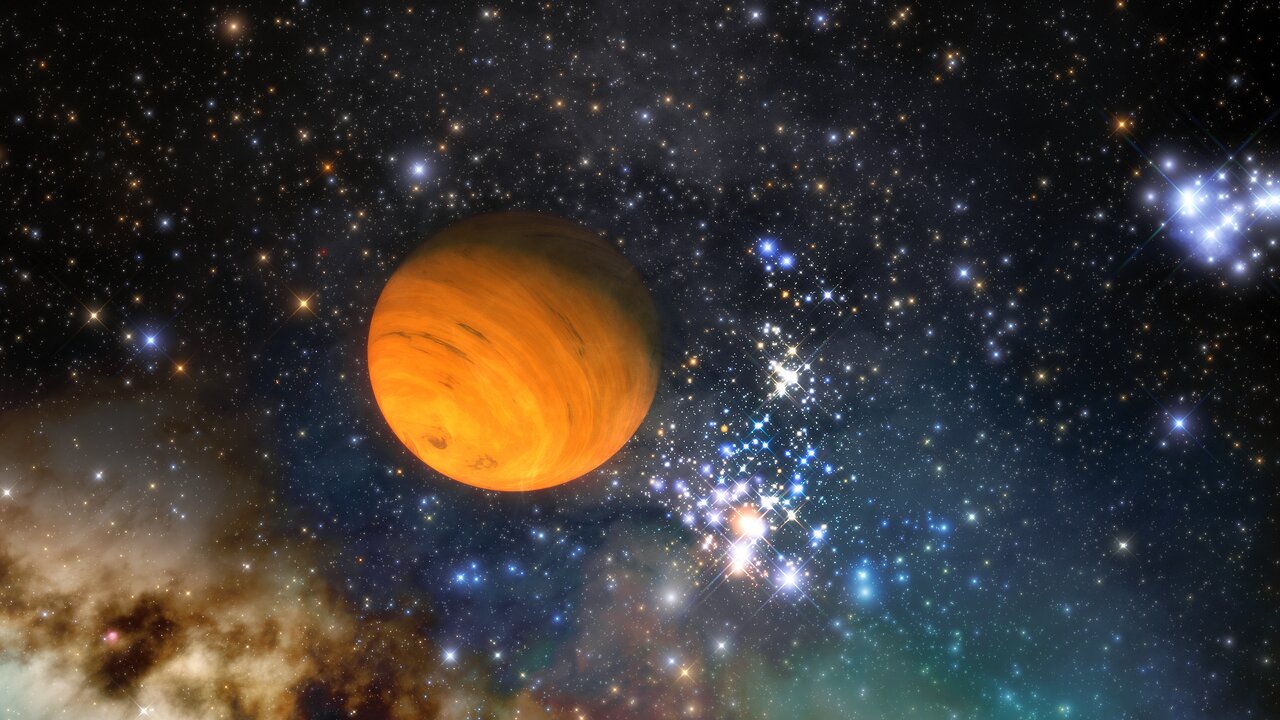
Through the Dark Energy Survey, astronomers discovered more than 70 Jupiter-sized exoplanets in the Milky Way.
NCSA’s eDream Institute awarded Illinois students and faculty for innovative multidisciplinary research projects in 2021. Fellows were honored in a virtual awards ceremony.
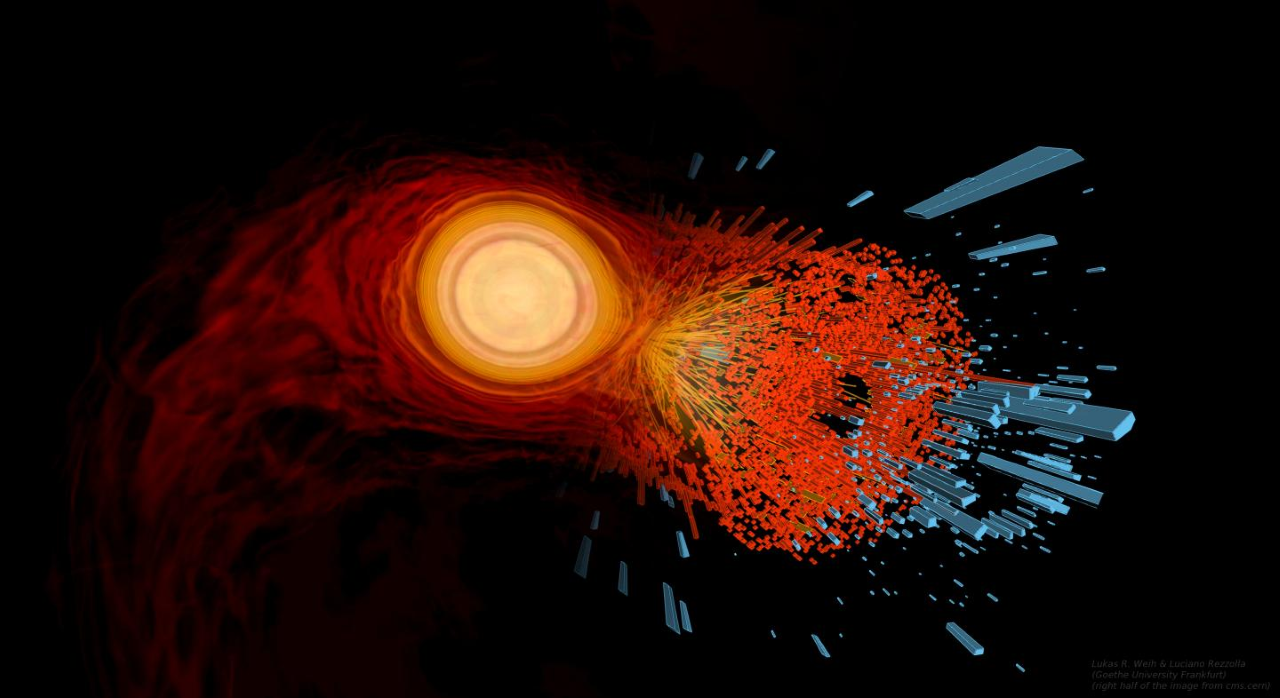
The NSF-funded project, called MUSES, will help to build an open-source cyberinfrastructure that can be used to generate Equations of State for astronomical research.
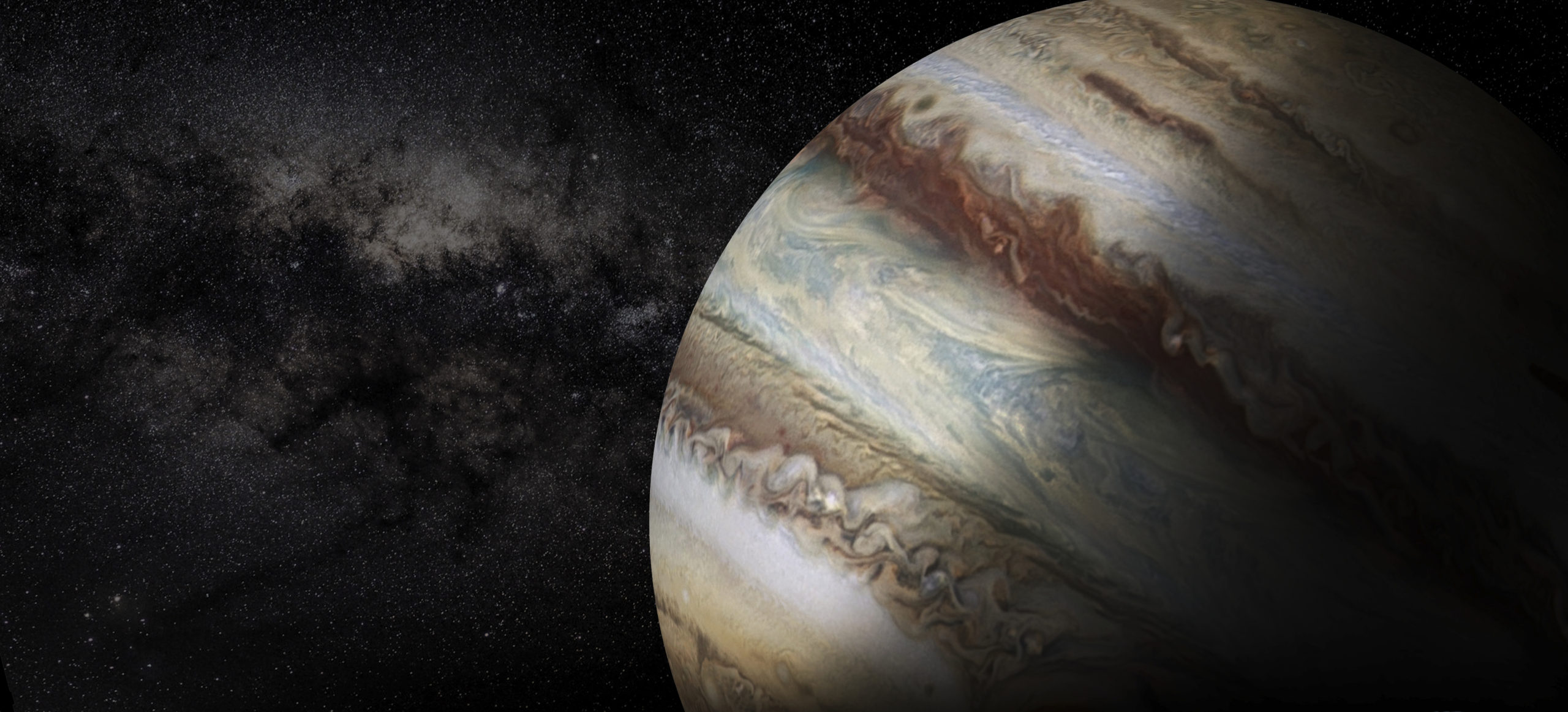
The international DES collaboration uses a massive, public collection of astronomical data and calibrated images compiled with the help of NCSA to make remarkable discoveries about our Universe.
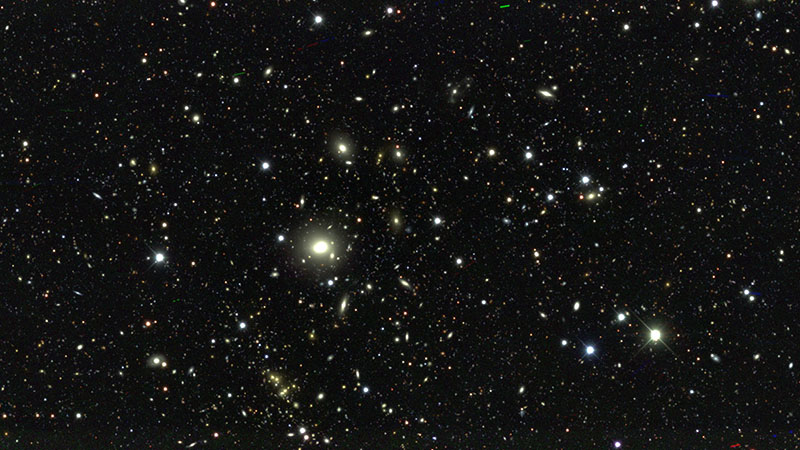
The Dark Energy Survey collaboration has created the largest ever maps of the distribution and shapes of galaxies, tracing both ordinary and dark matter in the universe out to a distance of more than 7 billion light years.
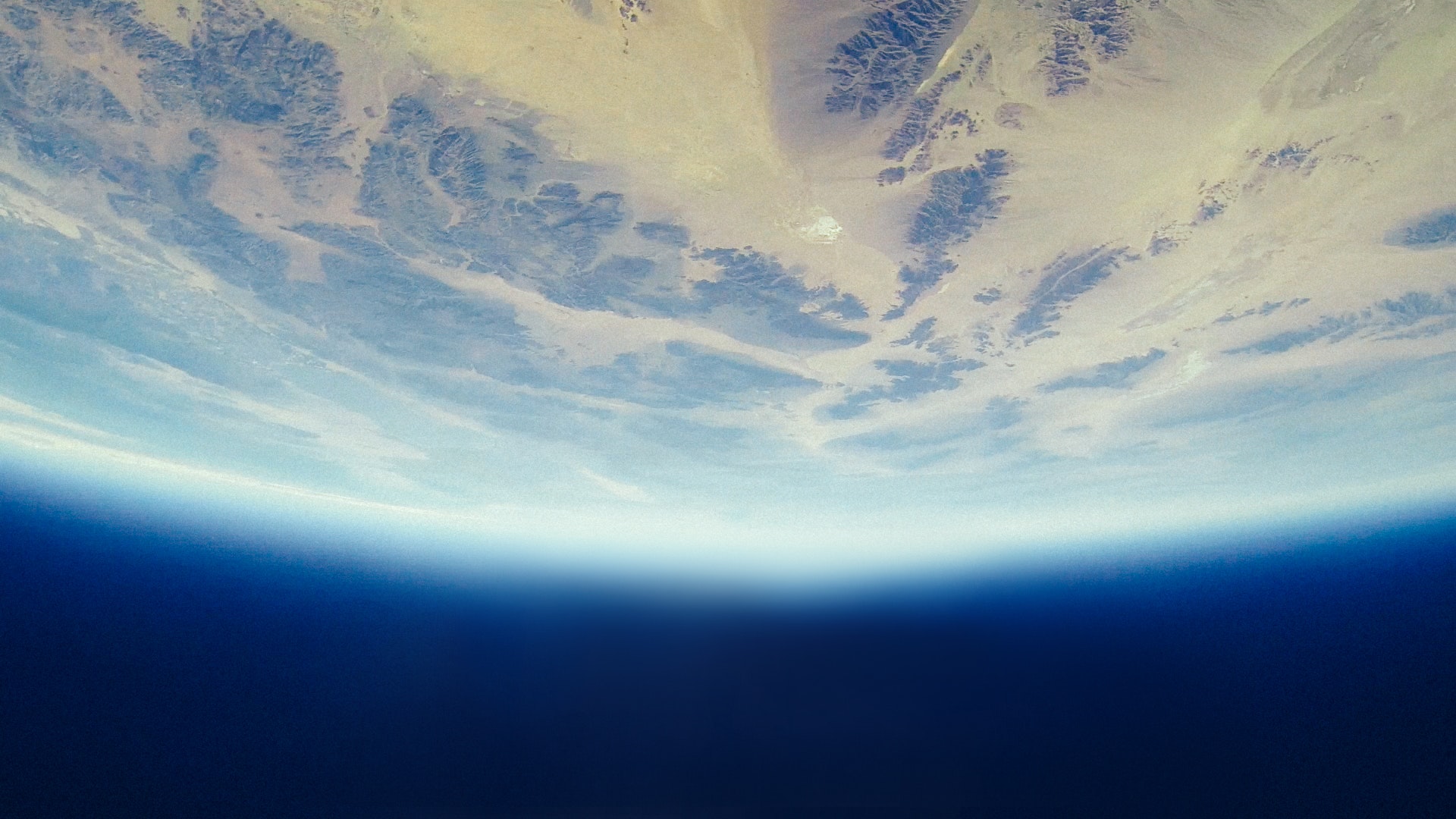
Seven NCSA Gravity Group interns share bright post-graduation plans.
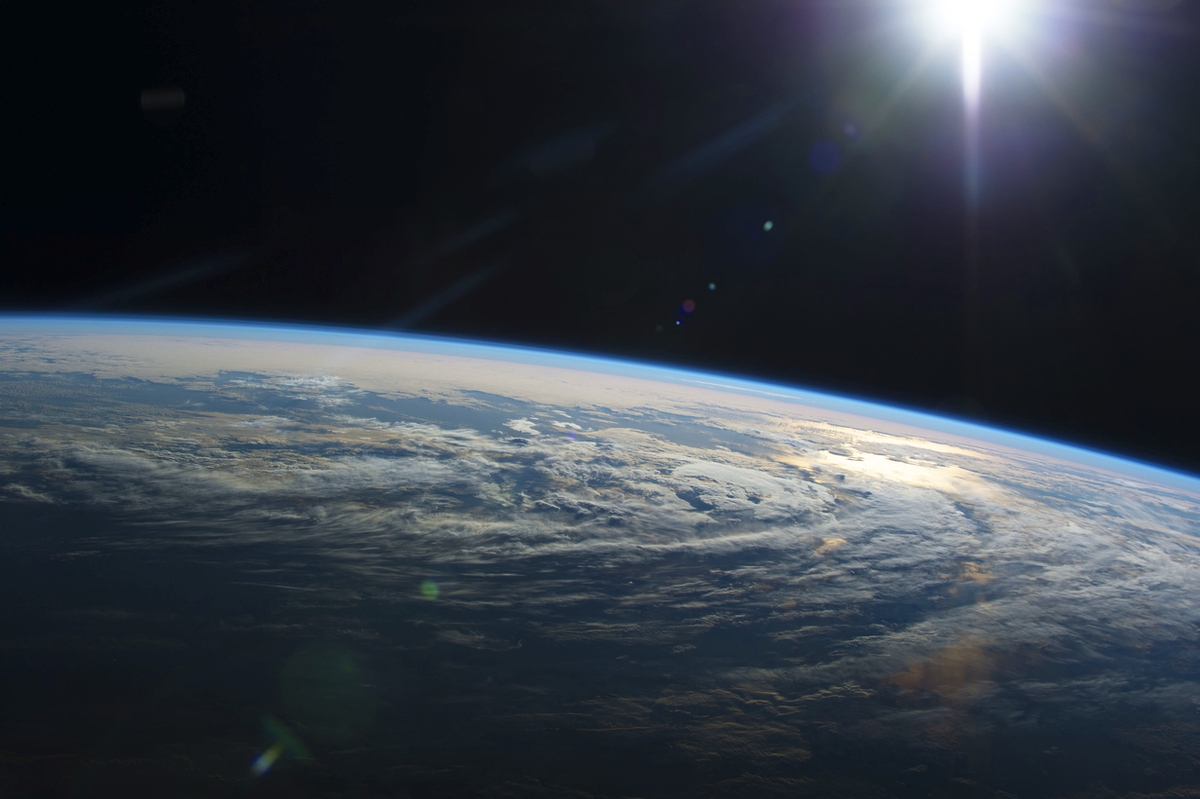
Geomagnetic field forecasting models run on NCSA’s Blue Waters supercomputer identify new variations in the South Atlantic Anomaly.
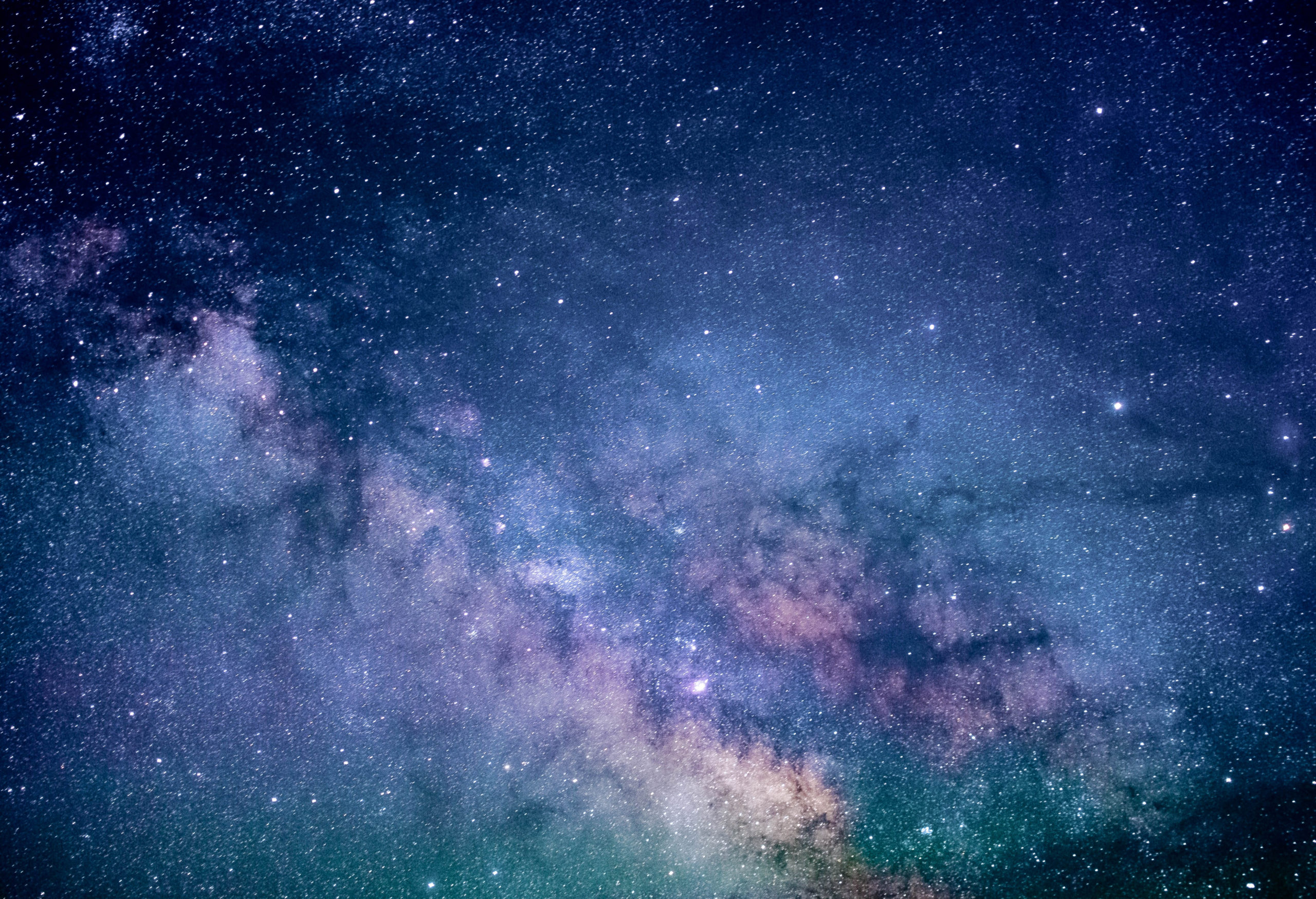
The international collaboration that includes NCSA, releases a massive, public collection of astronomical data and calibrated images from six years of surveys. This data release is one of the largest astronomical catalogs issued to date.
An NCSA-led team receives 145,000 node hours on Summit to create AI tools that enable data-driven discovery in multi-messenger astrophysics.