ACCESS
The Advanced Cyberinfrastructure Coordination Ecosystem: Services & Support is a powerful collection of integrated digital resources and services that researchers around the country use to advance understanding of our world, making lives healthier, safer and better.
AIFARMS
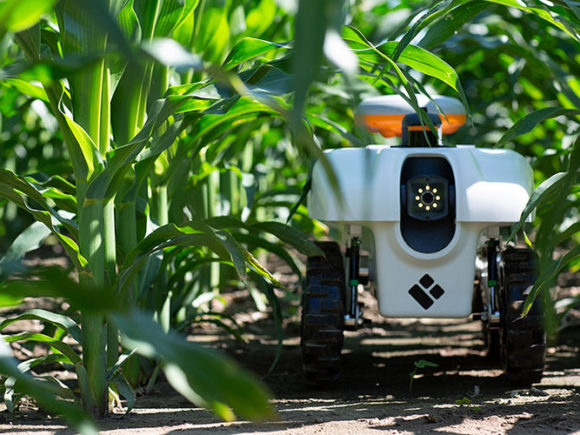
From autonomous farming to livestock optimization, artificial intelligence is playing an increasing role in the life of the modern family farm. Learn how we’re shaping the future of farming with this important project, led by the Center for Digital Agriculture.
Atlas of a Changing Earth
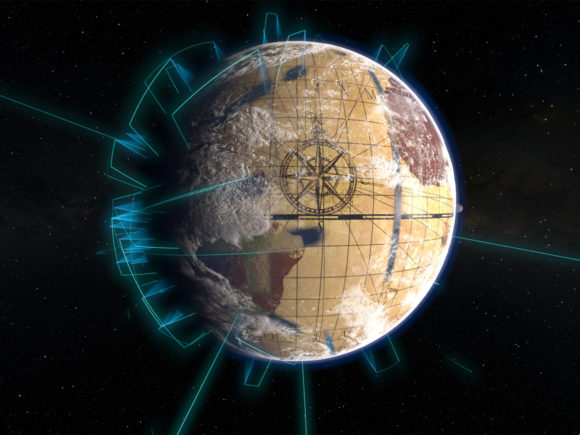
With stunning visuals created by AVL, this fascinating documentary explains how a revolution in map making is shedding new light on global warming and its impact on the planet.

Binary Neutron Stars II
Simulation of the last few hundred milliseconds in the lifetime of neutron star binaries.
Blue Waters
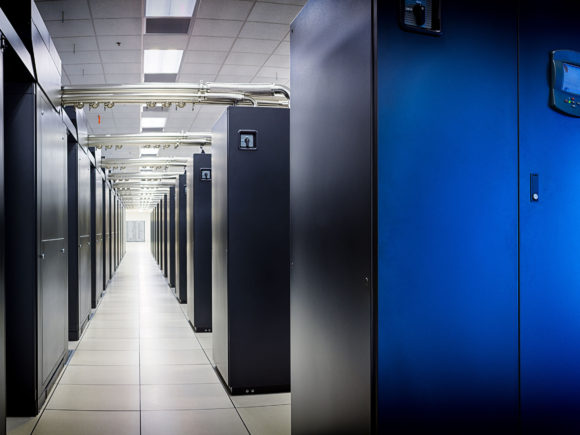
In 2007, the National Science Foundation approved a $208-million grant to fund the creation of the world’s most powerful, leadership-class supercomputer – Blue Waters.
CADENS
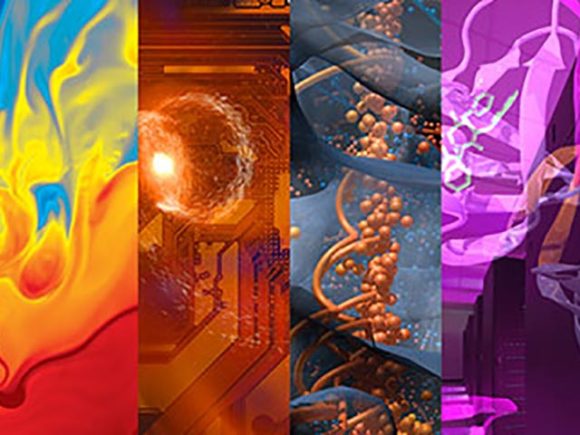
CADENS (The Centrality of Advanced Digitally ENabled Science) is a National Science Foundation-supported project to increase digital literacy and inform the general public about computational and data-enabled scientific discovery.
CAMP2Ex
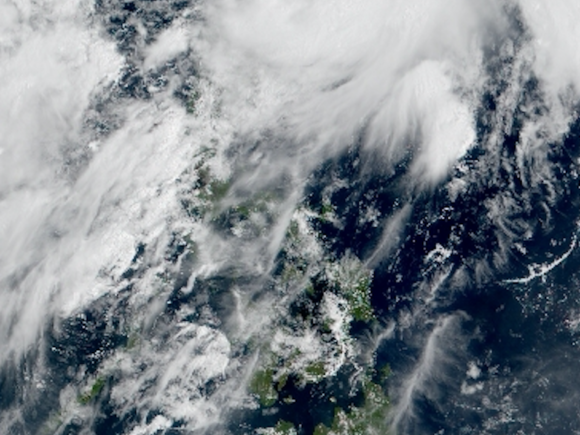
See how NCSA visualizations helped NASA better understand data sampled from smoke from one of the largest biomass-burning events in Indonesia on record. Camp2Ex
COALESCE
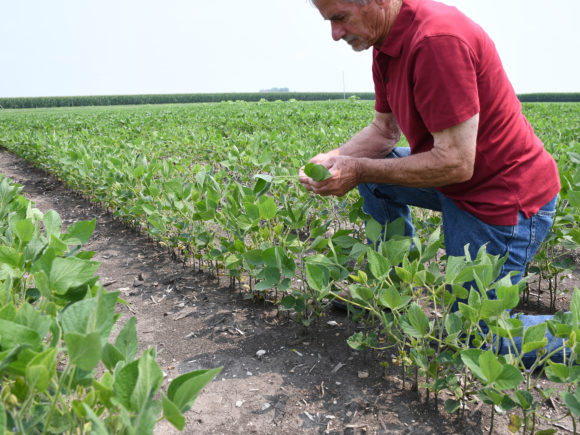
For years fertilizers and other chemicals have been broadly applied, leading to a long list of problems. Learn about the $7-million initiative designed to change that, using machine learning, AI, and advanced computing to make farming far more sustainable.

Community Data Clinic
The Community Data Clinic functions as a hub for developing community-centered solutions for a data-driven world.
Dark Energy Survey
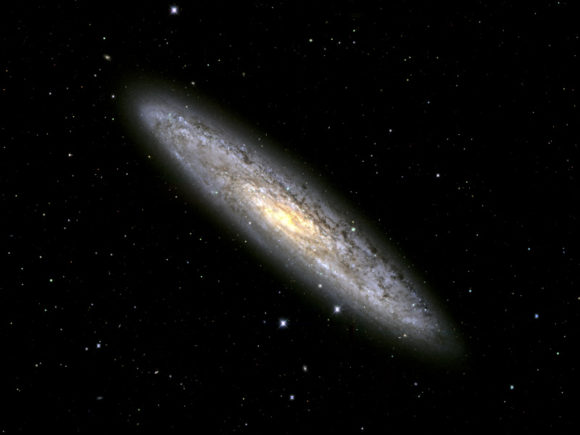
According to Einstein’s theory of general relativity, the expansion of the cosmos should be slowing, but science has shown it’s actually speeding up.
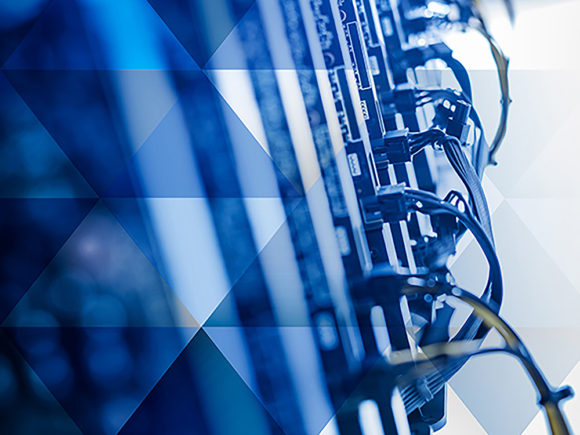
Delta
Delta offers a balanced mixture of CPU and GPU nodes and is the most performant GPU computing resource in the National Science Foundation’s portfolio.
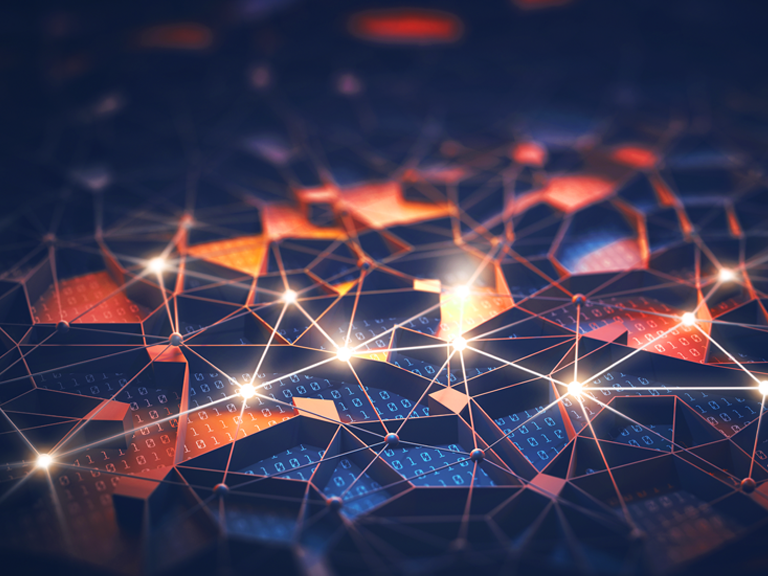
DeltaAI
Funded by the U.S. National Science Foundation, DeltaAI has been designed from the ground up to maximize the output of Artificial Intelligence and Machine Learning (AI/ML) research.
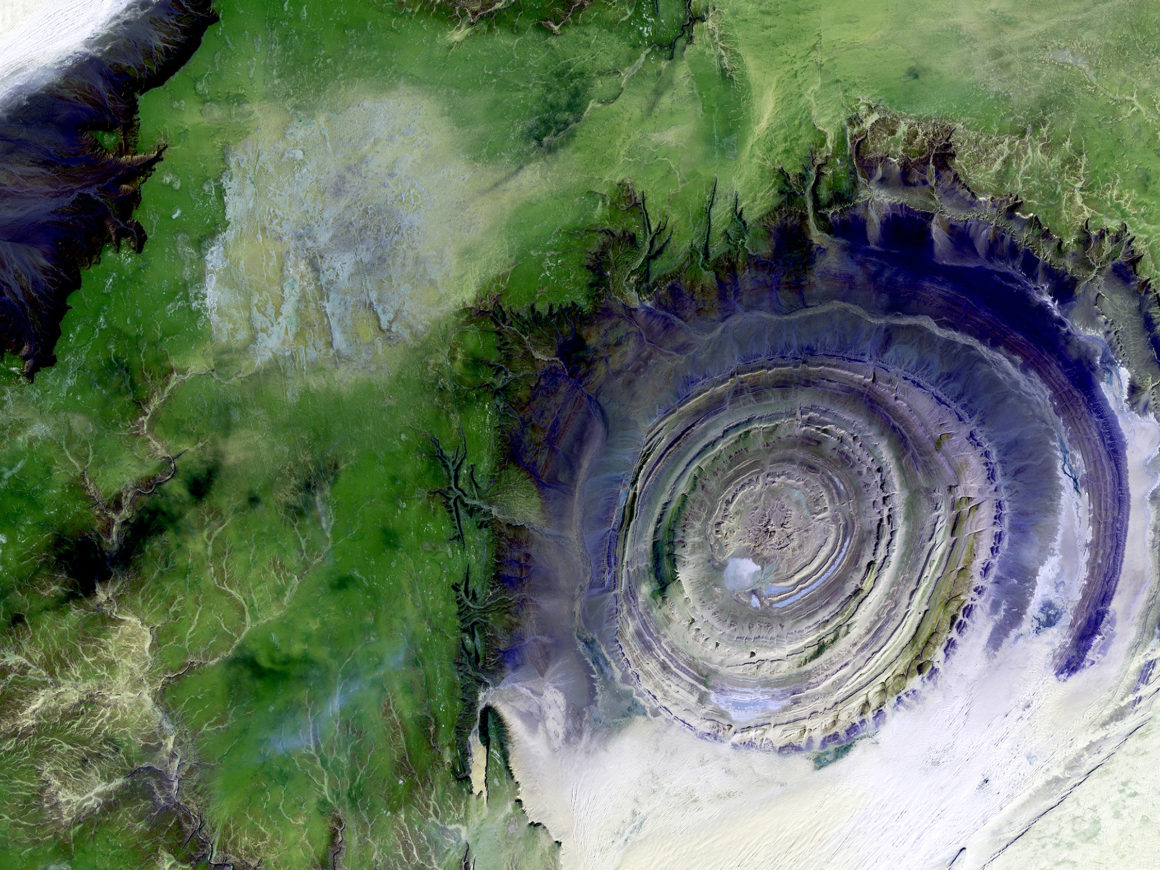
EarthCube
The NSF EarthCube program has advanced how data and tools are found and utilized – as well as scientific scholarship itself – by issuing one of the first Call for Notebooks as peer-reviewed, scholarly objects emphasizing runnable software.
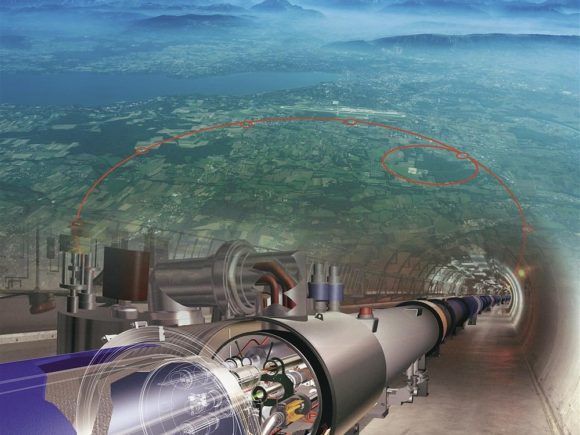
FAIR4HEP
See how researchers are using high-energy physics to develop a FAIR framework that advances our understanding of AI.
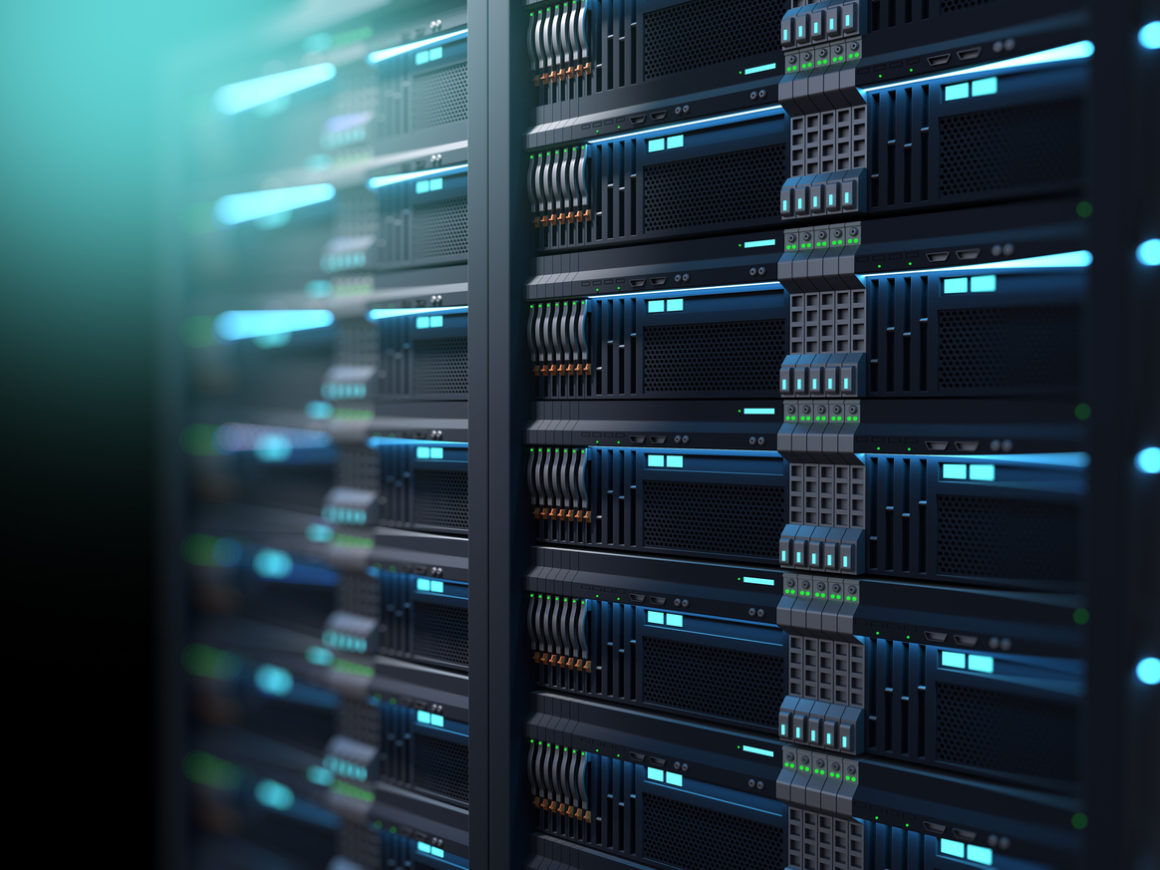
HAL Cluster
NCSA’s Innovative Systems developed and operates a high-performing computer network for AI-related computational workloads.
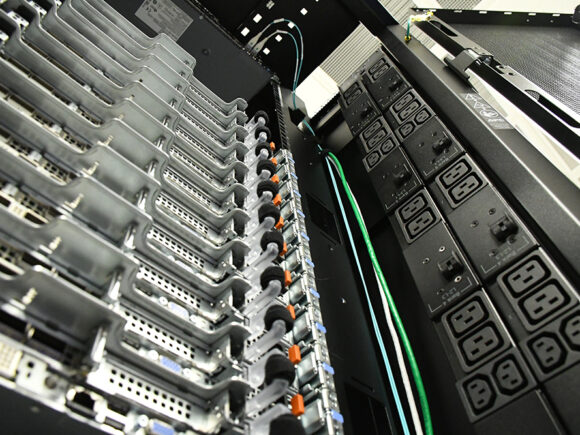
HOLL-I
HOLL-I is a machine-learning targeted, high-speed computing resource, useful for training big data sets and dedicated to serving campus and industry needs.
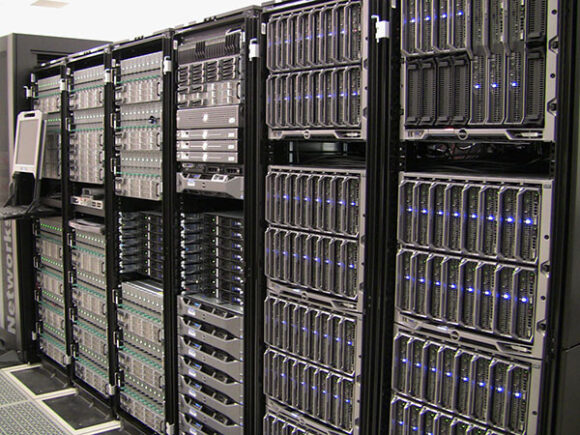
iForge
A historic high-performance computing cluster designed specifically for NCSA’s industry partners, featuring distinct hardware platforms designed for differing computational needs.
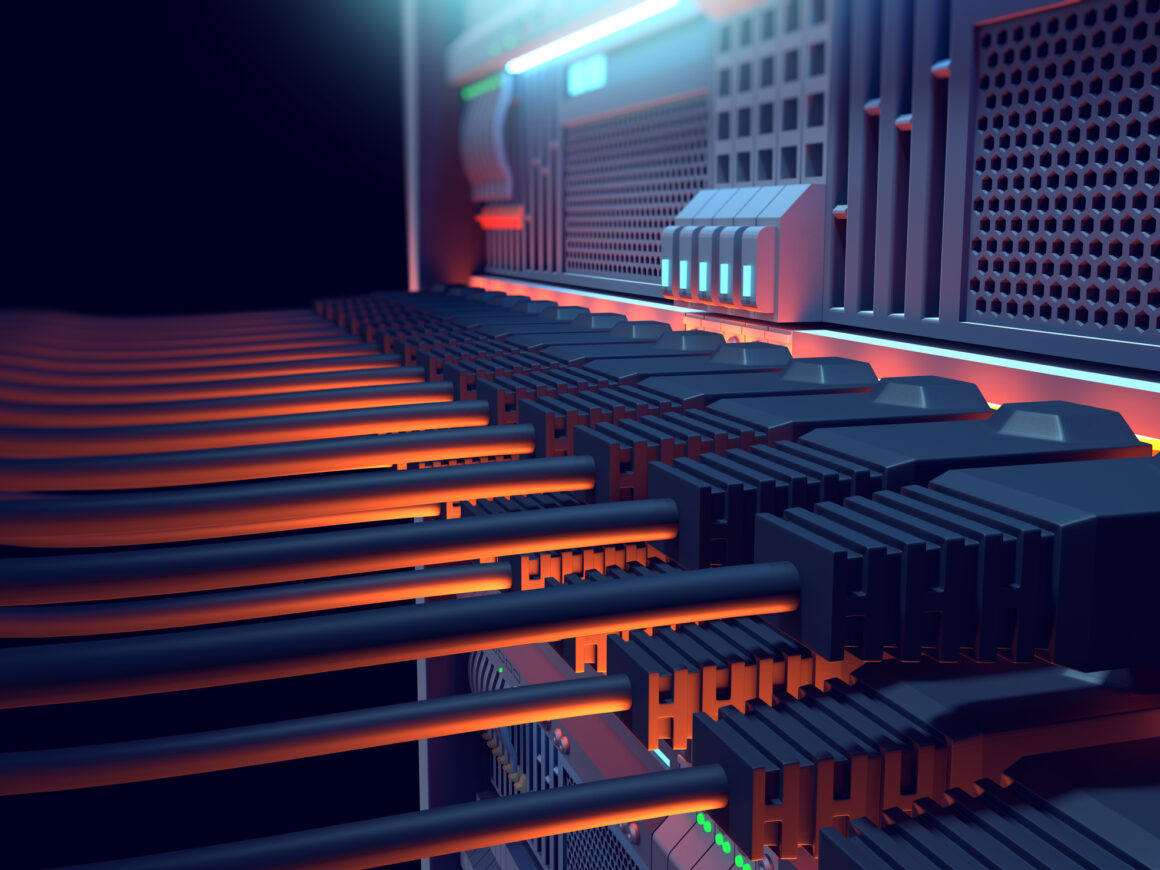
Illinois Campus Cluster
The Illinois Campus Cluster provides access to computing and data storage resources and frees you from the hassle of administering your own compute cluster.
Illinois Chat
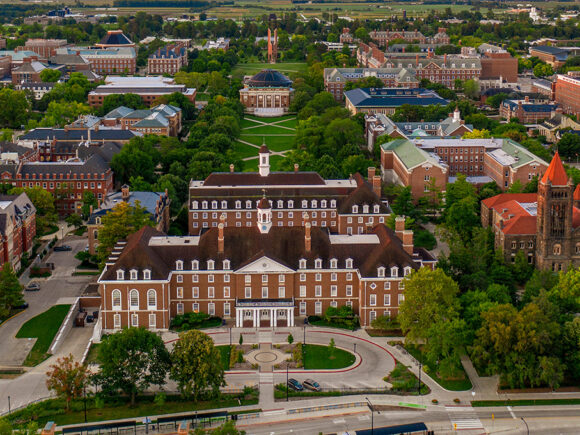
Illinois Chat, an official artificial intelligence (AI) software tool of the University of Illinois Urbana-Champaign, has launched for the Fall 2025 semester and is available for anyone on campus.
IN-CORE
How would different communities recover from the impact of natural disasters? The IN-CORE project seeks to find out.
Keras Spatial
This python package for pre-processing and augmenting geospatial data for Tensorflow deep learning models is just one example of how we help make managing data easier.
NCSA Mosaic™
NCSA’s Mosaic™ wasn’t the first Web browser. But it was the first to make a major splash. In November 1993, Mosaic v 1.0 broke away from the small pack of existing browsers by including features – like icons, bookmarks, a more attractive interface, and pictures – that made the software easy to use and appealing to “non-geeks.”
Nightingale
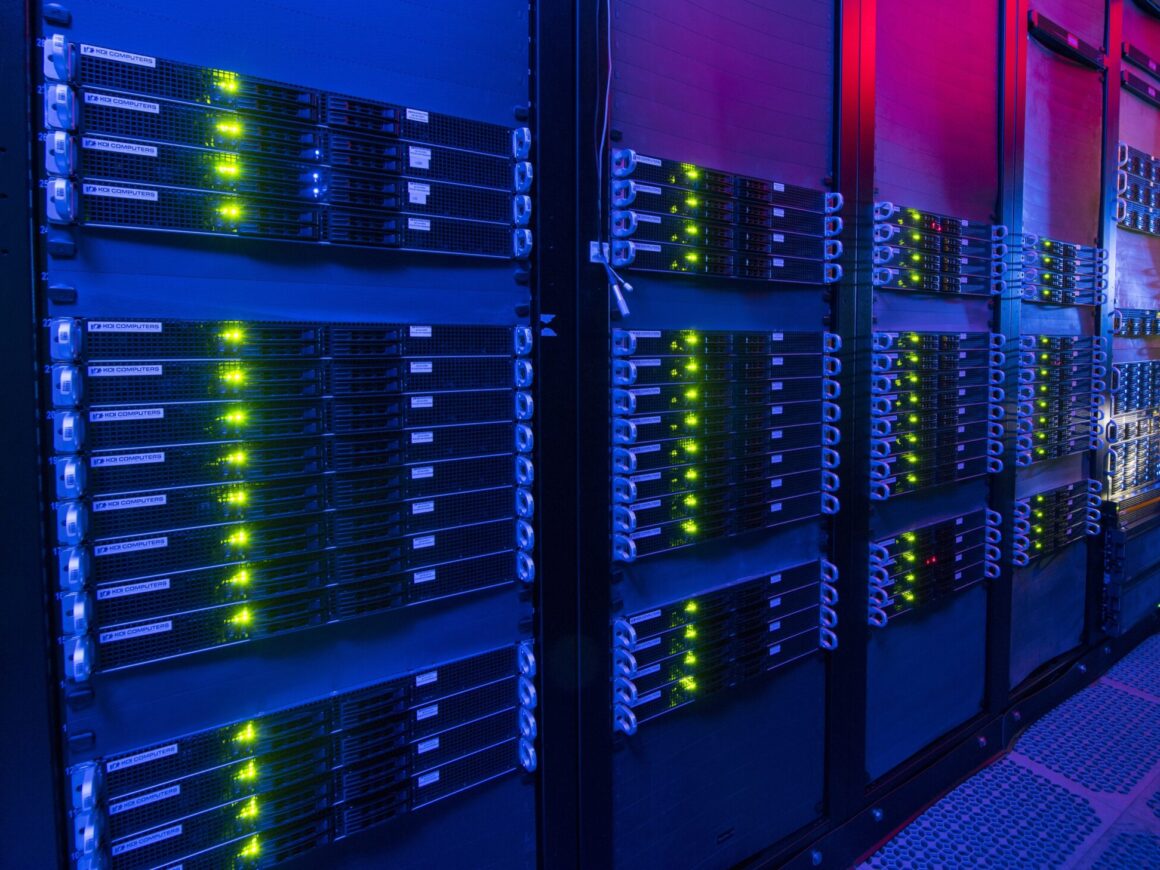
A HIPAA-compliant secure system capable of data storage and powerful computation. Nightingale offers a new way to manage complex requirements surrounding sensitive data, taking the burden off the user so they can focus on their research.
Not for You
What would happen if something disrupted the customization algorithms that define your social media experience, dictating the videos you watch and messages you receive?
Orbiting Black Hole Magnetohydrodynamics
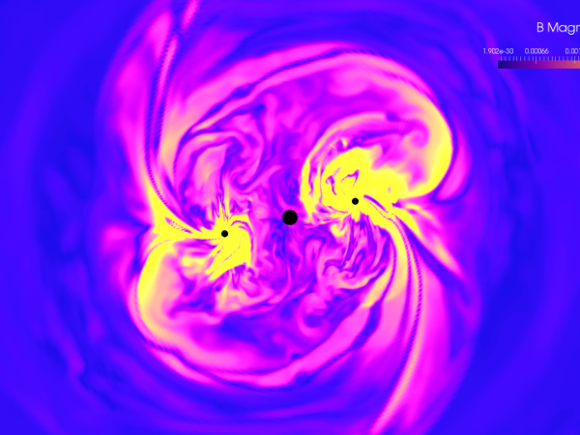
Magnetohydrodynamic simulation of two orbiting blackholes done on the Blue Waters supercomputer. Visualization focused on the behavior of the field lines emanating from above the poles and how the orbits affected the particle density.
Phillips 66
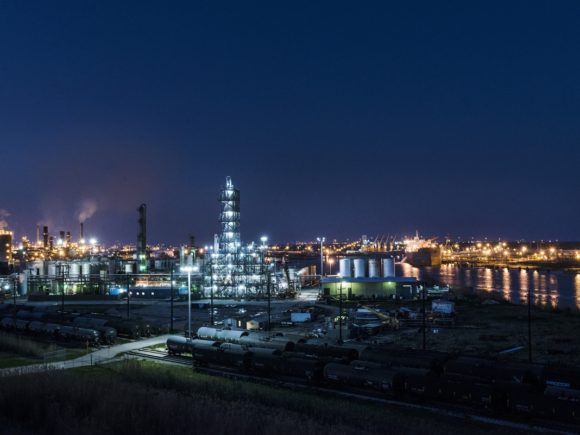
Using data mining, data engineering, and machine learning, the team has helped Phillips 66 explore time series and geospatial data and more.

Radiant
Radiant is NCSA’s private cloud computing service for NCSA and University of Illinois faculty and staff offering virtual machines, computing time in cores, storage of various types and more.
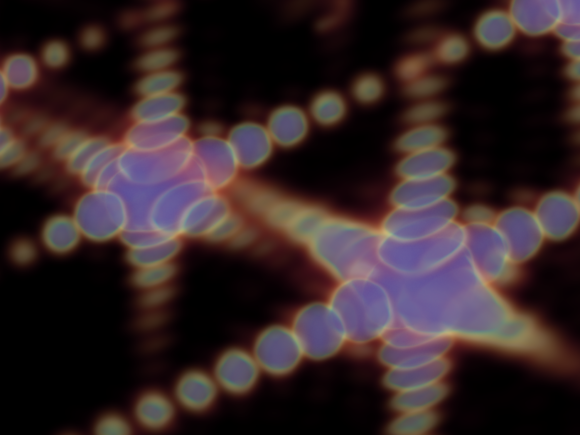
Reciprocal Space X-ray Diffraction
This project integrated automatic generation of imagery using VisIt into the GridChem Computational Chemistry Grid to simulate diffraction in alumina.
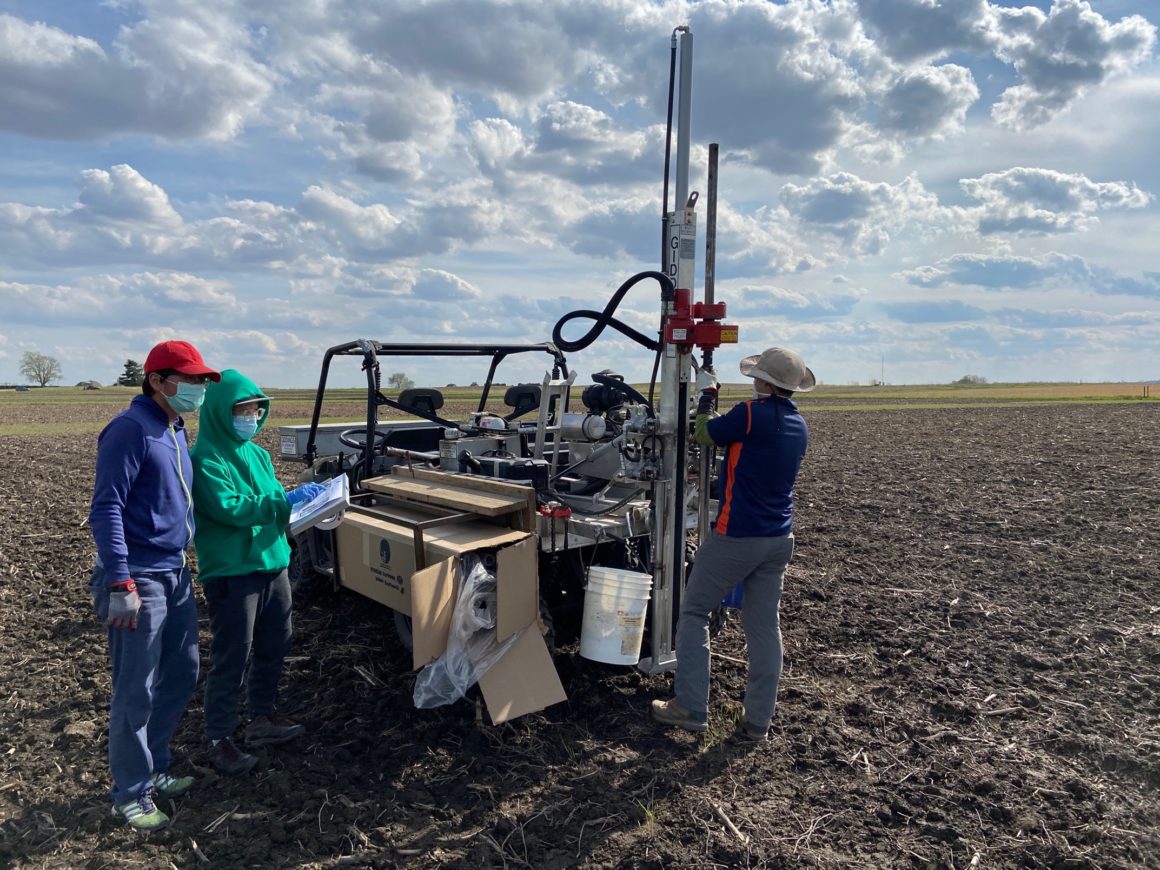
SMARTFARM
With funds from the Department of Energy, find out how NCSA scientists created new technologies to measure greenhouse gas emissions to increase yields through sustainable crop management.

Student Cluster Competition Team
Since 2016, NCSA’s Student Cluster Competition Team has competed at the international Supercomputing Conference.

Taiga and Granite
Taiga allows researchers to access their data on multiple systems simultaneously improving their ability to run science pipelines across batch, cloud and container resources. Granite integrates with the Taiga system, offering affordable, accessible, secure tape storage.
TGI RAILS
The Taylor Geospatial Institute Regional AI Learning System (TGI RAILS) offers a high-performance computing and data analysis system, funded by the National Science Foundation and the Taylor Geospatial Institute, and managed and operated at the National Center of Supercomputing Applications at the University of Illinois.
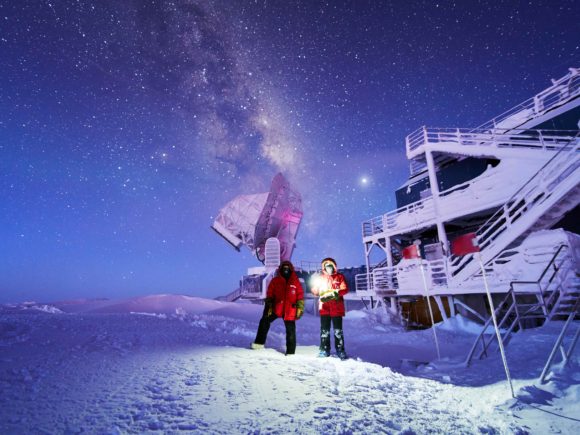
The South Pole Telescope
Where did the universe come from? And what is it actually made of? Researchers are exploring the answers to these questions and more with a special telescope located at the bottom of the world.
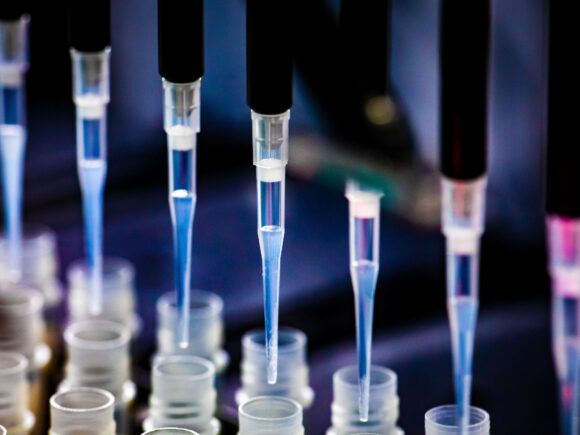
Transcriptional Regulation
Explore how the team used TraRe, or Transcriptional Regulation, to determine molecular predictors of drug resistance in prostate cancer.
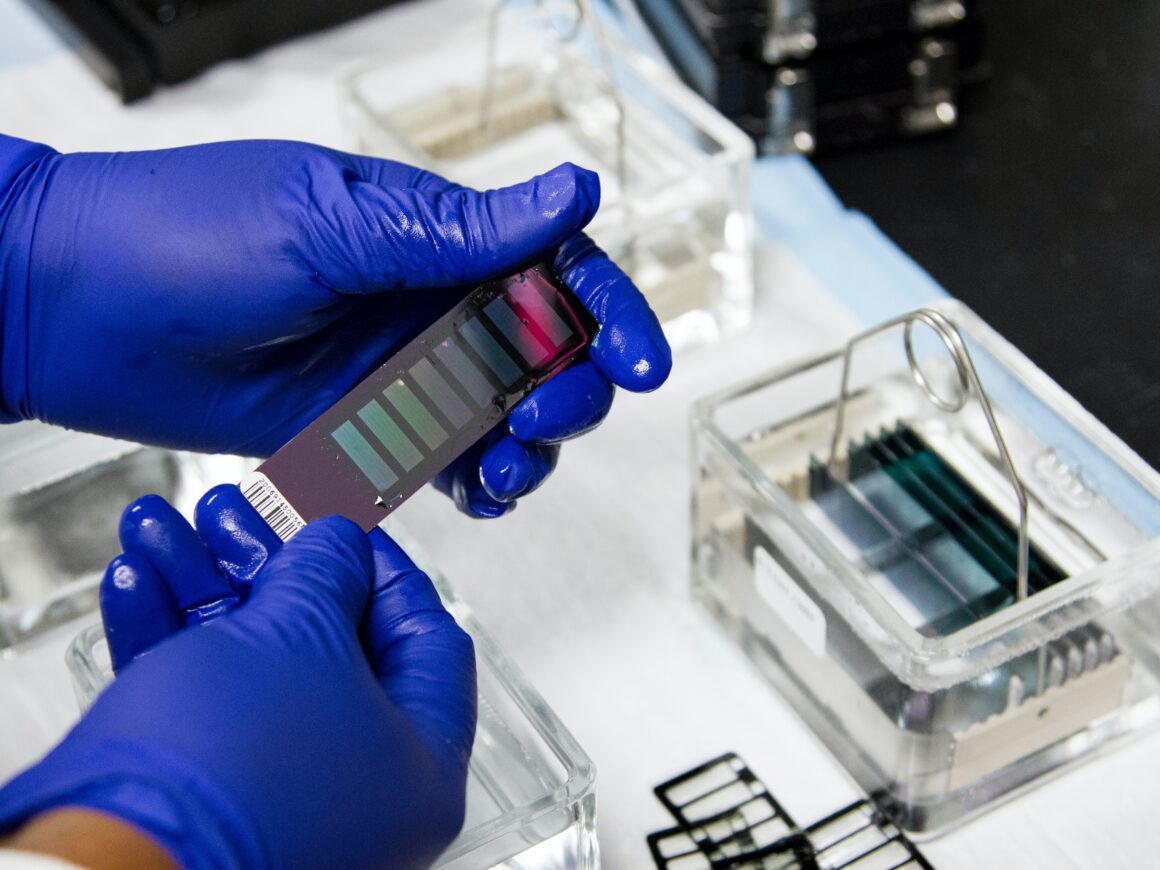
Tumor Phylogeny
Find out how visualizing the progression of tumors can help clinicians provide more targeted treatment for patients with cancer.
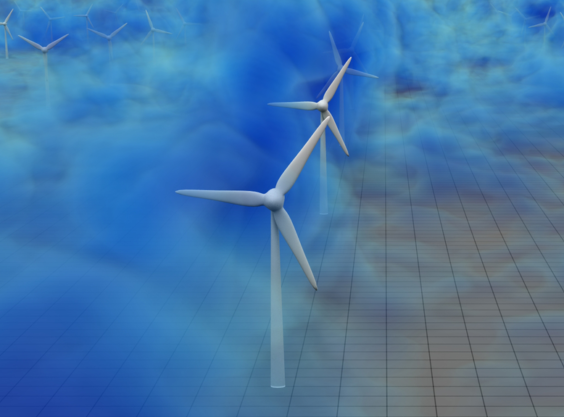
Wind Farm Visualization
Studying the interaction between large wind farms with multiple wind turbines and the atmospheric boundary layer flow.

XSEDE
NCSA led the National Science Foundation’s Extreme Science and Engineering Discovery Environment (XSEDE), which united skilled staff and powerful compute resources across the nation.
Help Desk is available from 7 a.m. to 11:30 p.m., seven days a week, 365 days a year.