The Sky Is No Longer the Limit.
At NCSA, we push the boundaries in a quest for answers that go well beyond our world.
From Copernicus to Galileo, early astronomers once used simple tools to explore the mysteries of the universe. Today we chart the movement of entire galaxies light-years from our own, using sophisticated data analysis and our vast computational resources to further global research and shine new light on the darkest corners of space.
NCSA’s Astrophysics Program Office provides vital services – including trainings and workshops – to help researchers develop their work from the individual level into large-scale projects. Leveraging expertise within NCSA and across the University of Illinois, collaborations span disciplines and venture beyond limited areas of astronomy to enable groundbreaking research.
Questions about NCSA’s work in astrophysics?
Joaquin Vieira
Senior Astrophysics Lead and Professor of Astronomy and Physics
jvieira@illinois.edu
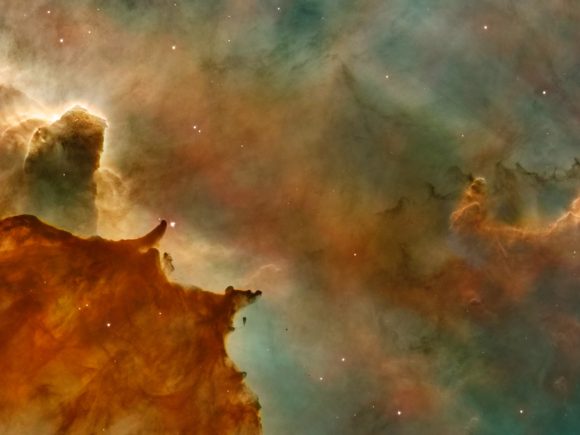
Center for AstroPhysical Surveys
The Center for AstroPhysical Surveys (CAPS) at the University of Illinois at Urbana-Champaign brings cohesion and advancement to astrophysical survey science efforts across campus. CAPS strives to create a diverse and inclusive environment by offering annual postdoctoral and graduate fellowship programs.
Explore CAPSNCSA Spotlight

Stephen Pietrowicz
Principal Research Software Engineer
Stephen is a principal research software engineer at NCSA and Lead of the NSF–DOE Vera C. Rubin Observatory Group at the Center. He has been working on various parts of the project for more than 20 years.
“My work on the project over the past 20 years has demonstrated to me the power of collaboration. NCSA has formed lasting partnerships with the University of Washington, NSF NOIRLab, Princeton University, the SLAC National Accelerator Laboratory and many others. The discoveries we make with Rubin today will enable countless breakthroughs in the future.”
Project Highlights
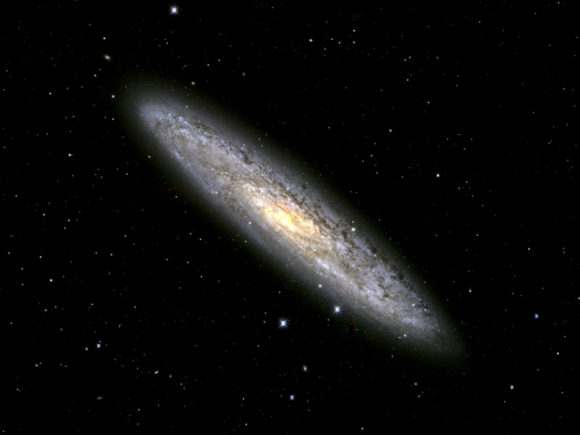
Dark Energy Survey
According to Einstein’s theory of general relativity, the expansion of the cosmos should be slowing, but science has shown it’s actually speeding up.
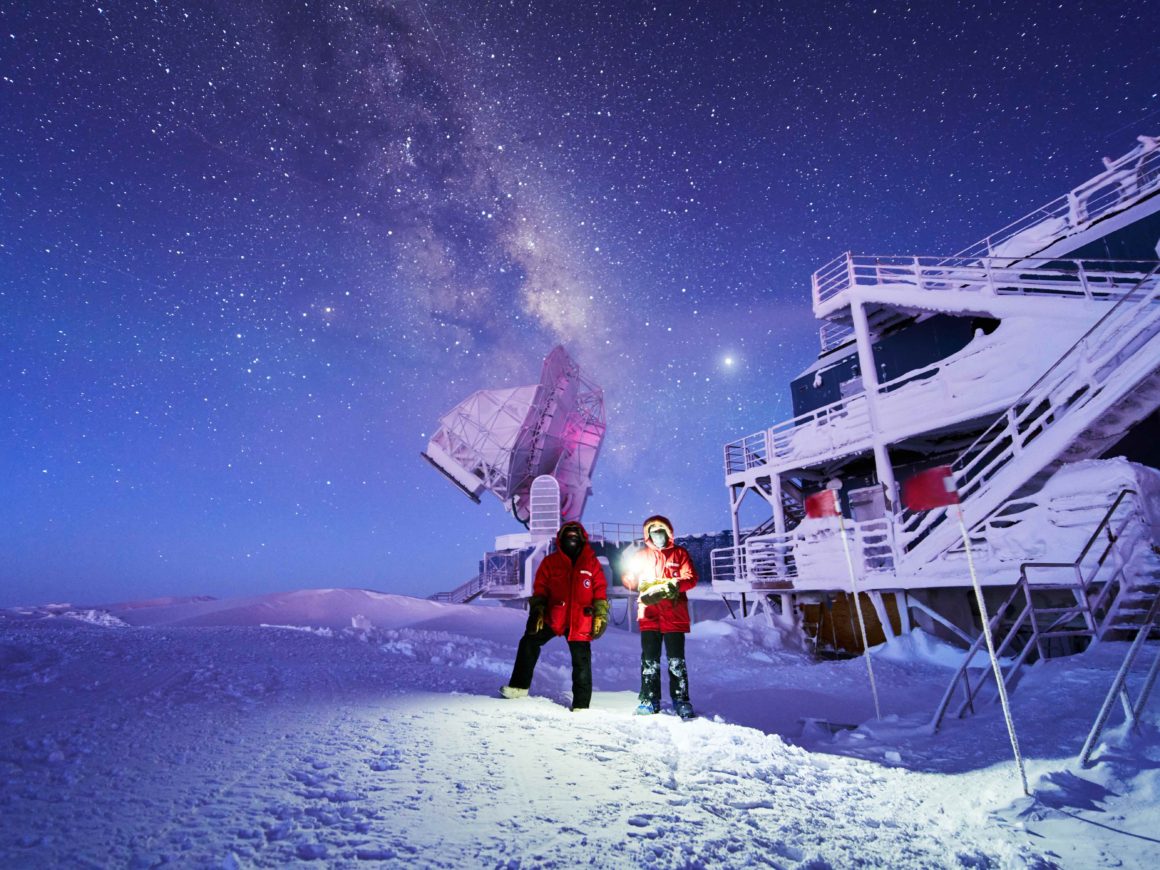
The South Pole Telescope
Where did the universe come from? And what is it actually made of? Researchers are exploring the answers to these questions and more with a special telescope located at the bottom of the world.
News
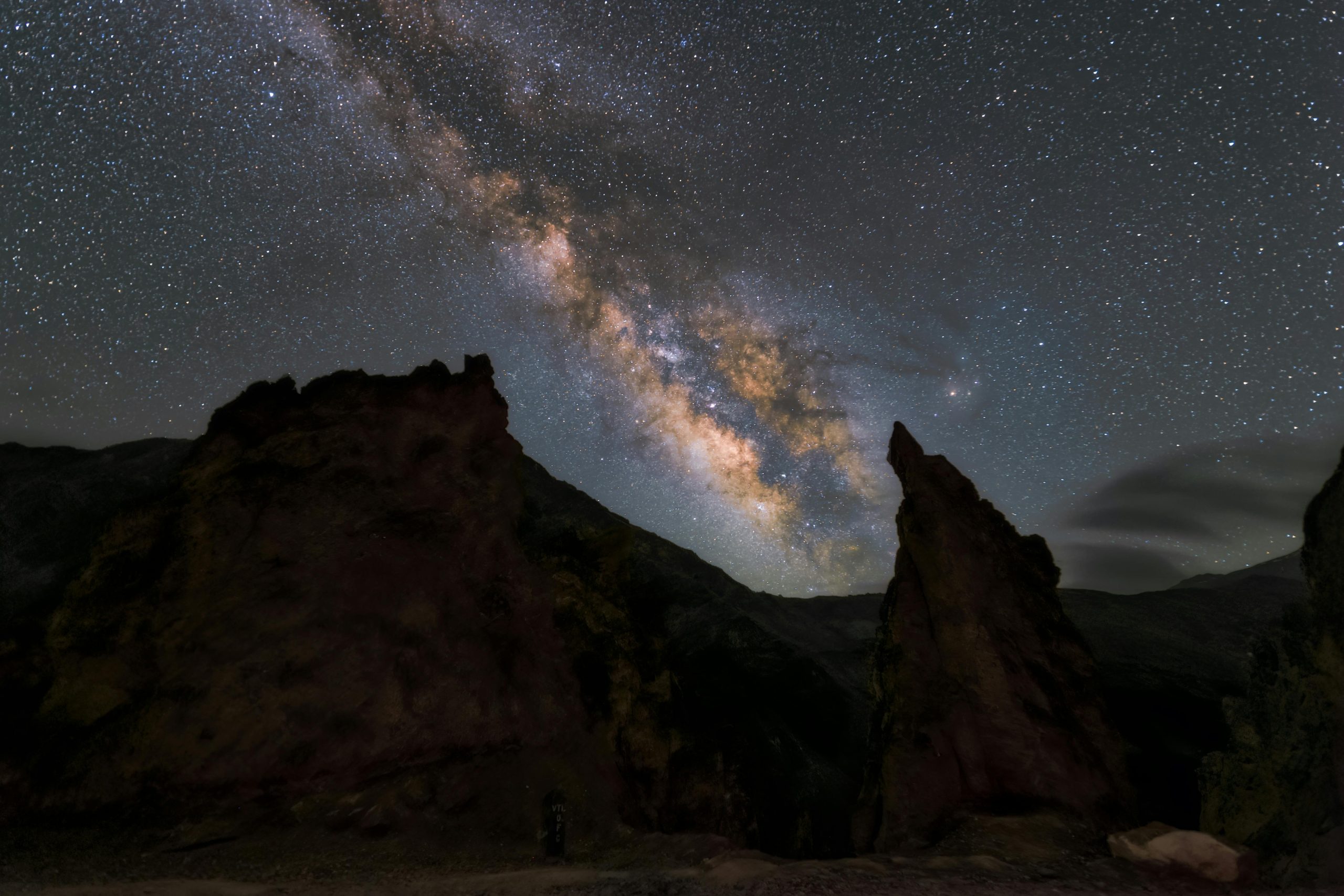
Researchers Use South Pole Telescope to Detect Energetic Stellar Flares Near the Center of the Milky Way
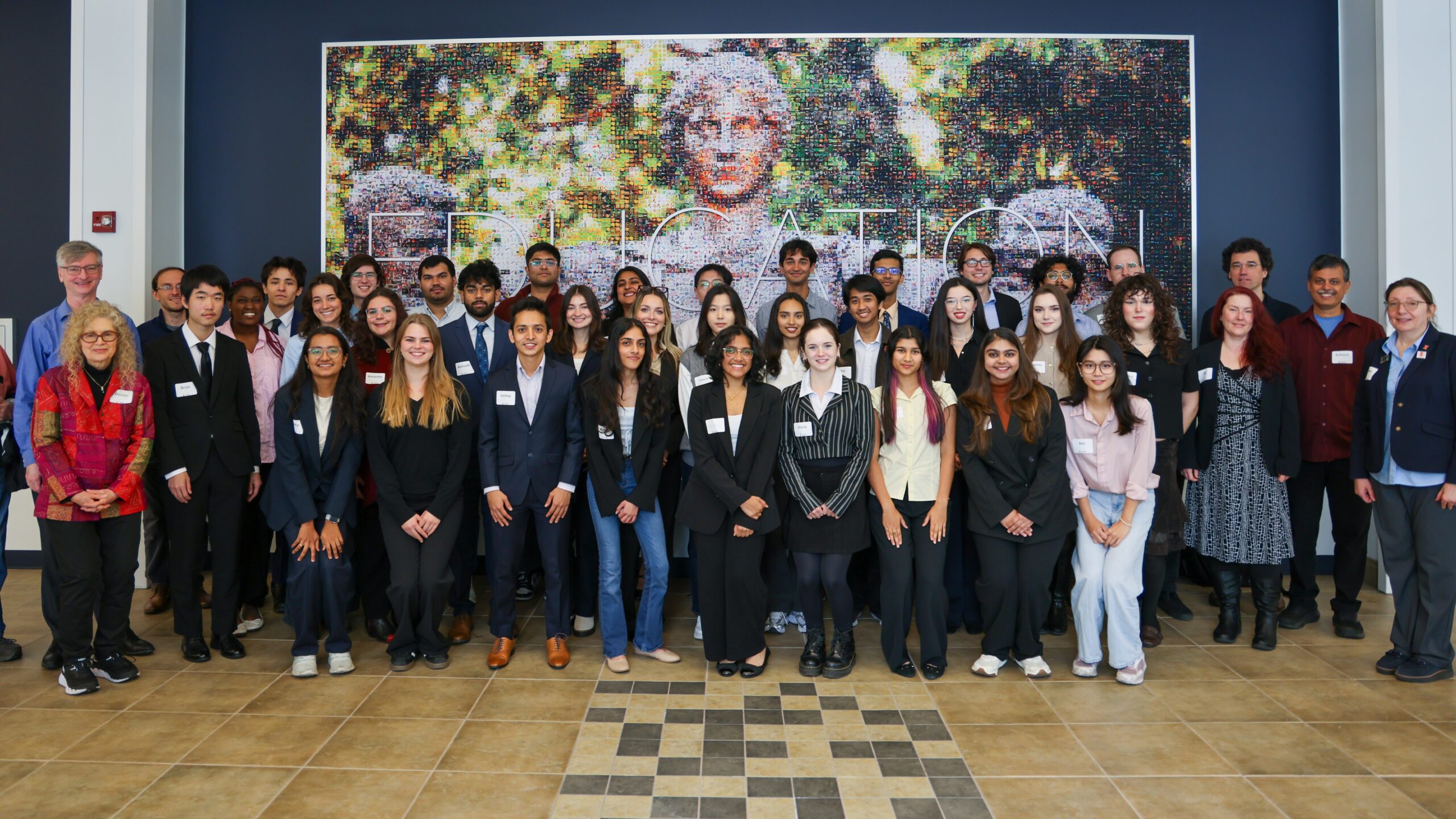
NCSA Awards 38 Students Fiddler Innovation Fellowships
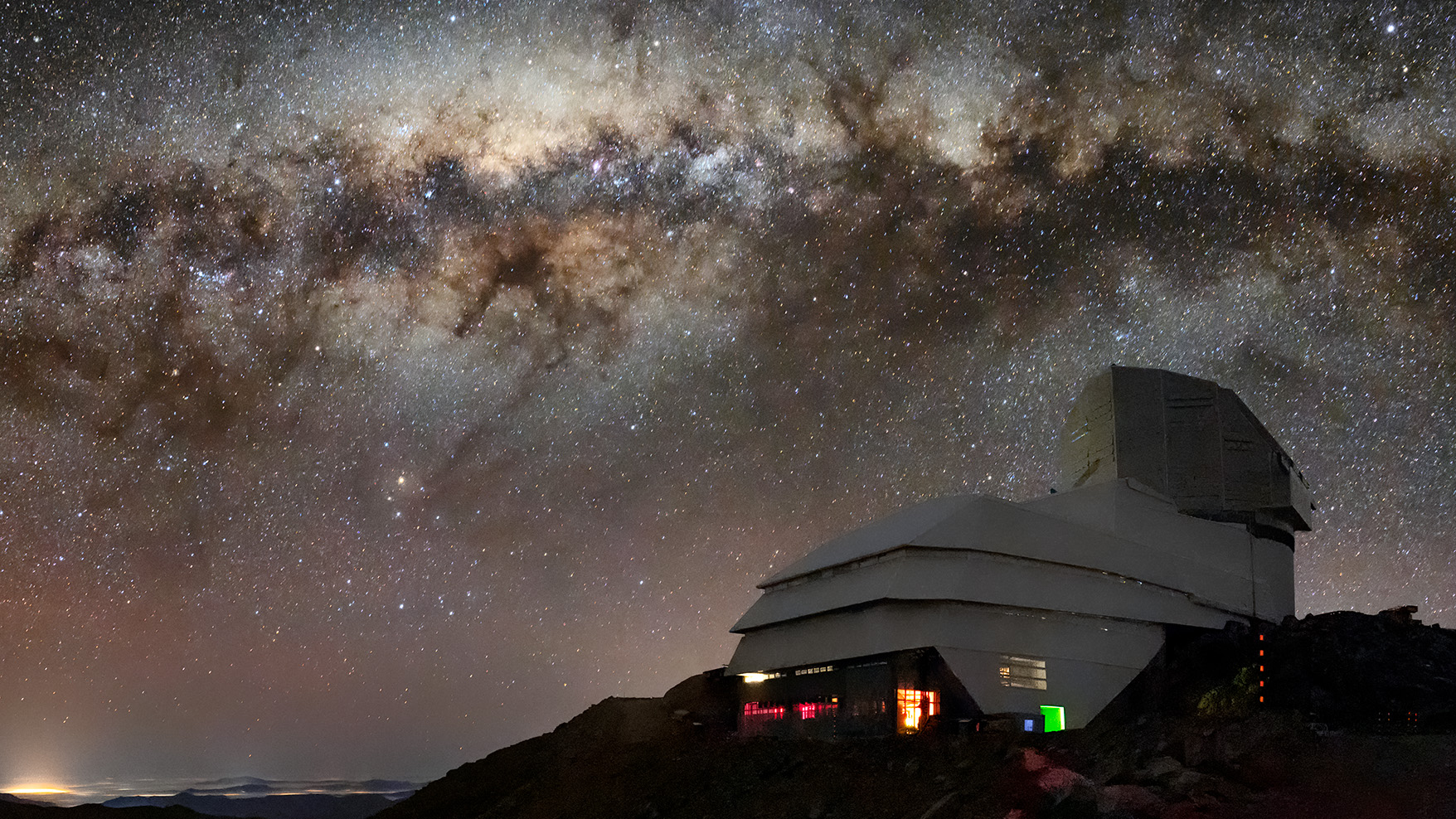
Harvesting the Data in the Stars

CAII Receives NASA Funding to Assist Euclid Space Mission
Help Desk is available from 7 a.m. to 11:30 p.m., seven days a week, 365 days a year.