Exploring the Universe Within.
We’re boldly going where few have gone before, using big data to drive the latest advances in healthcare.
The human body is infinitely complex and health is affected by everything from the genes that dictate the color of our eyes and our risk for disease, to the food we eat, our behavior and our environment. At NCSA we help researchers decode its mysteries. Leveraging our expertise in data analytics, software development, simulation, cybersecurity, and visualization drives innovations that could lead to longer and healthier lives. We continue to expand our contribution through academic and clinical partnerships including Mayo Clinic, Northwestern, Carle and others that help us rapidly bring these innovations to the forefront of medical care.
Questions about NCSA’s work in health sciences?
Colleen Bushell
Director, Healthcare Innovation
cbushell@illinois.edu
217-244-1060
Healthcare Innovation Program Office
With the increasing need to process and analyze complex data in the healthcare space, NCSA established the Healthcare Innovation Program Office to expand research efforts and provide support for critical work including addressing Covid-19 and tackling the diseases that impact our lives.
NCSA Spotlight
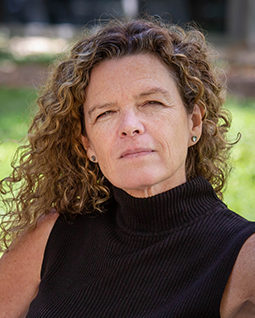
Colleen Bushell
Associate Director, Heathcare Innovation
Colleen specializes in the area of visual analytics, specifically visualization design and software user interface development for communicating complex information.
“I am driven to contribute my skills to the interdisciplinary effort needed to better understand human health – especially autoimmune diseases and cancers. NCSA provides a diverse, supportive environment that enables innovation.“
Project Highlights

Nightingale
A HIPAA-compliant secure system capable of data storage and powerful computation. Nightingale offers a new way to manage complex requirements surrounding sensitive data, taking the burden off the user so they can focus on their research.
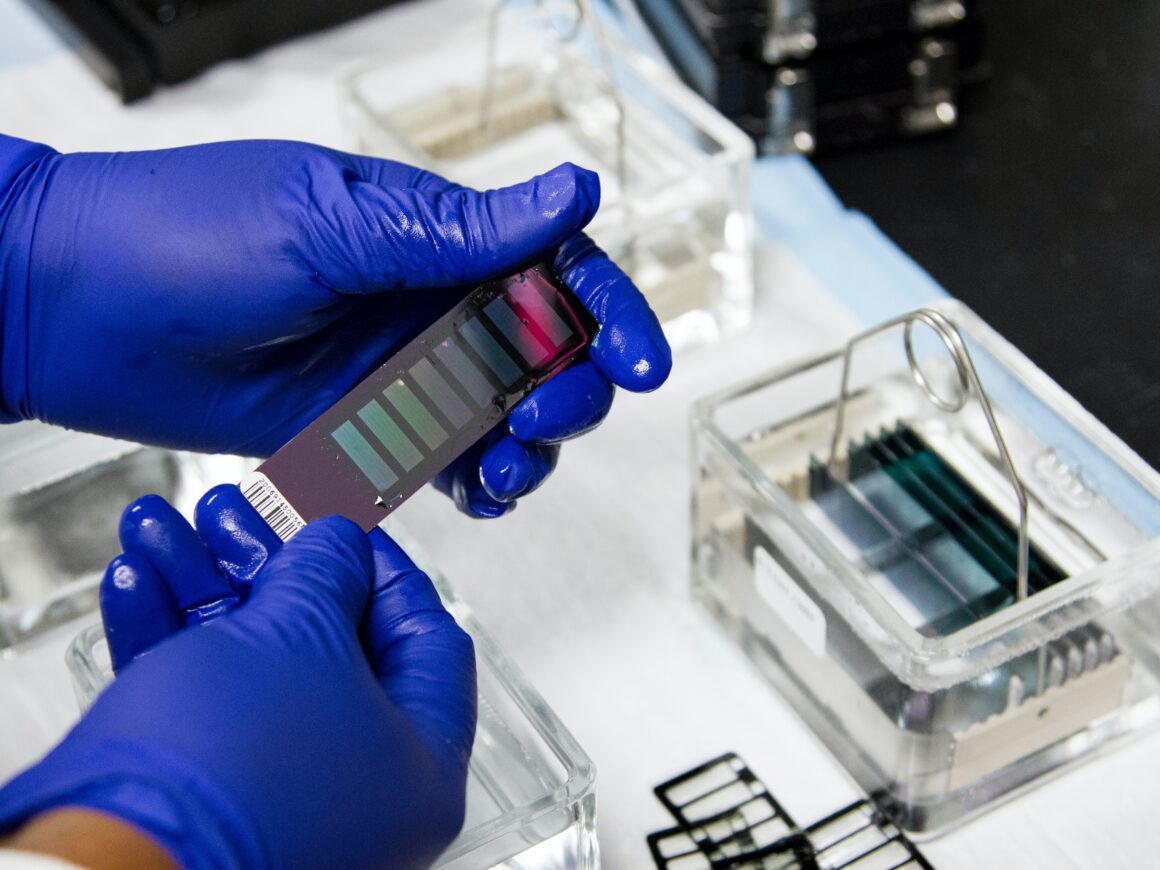
Tumor Phylogeny
Find out how visualizing the progression of tumors can help clinicians provide more targeted treatment for patients with cancer.
News

Using Delta to Help Shape Better Mental Health

Capturing and Controlling the Movement of Genes
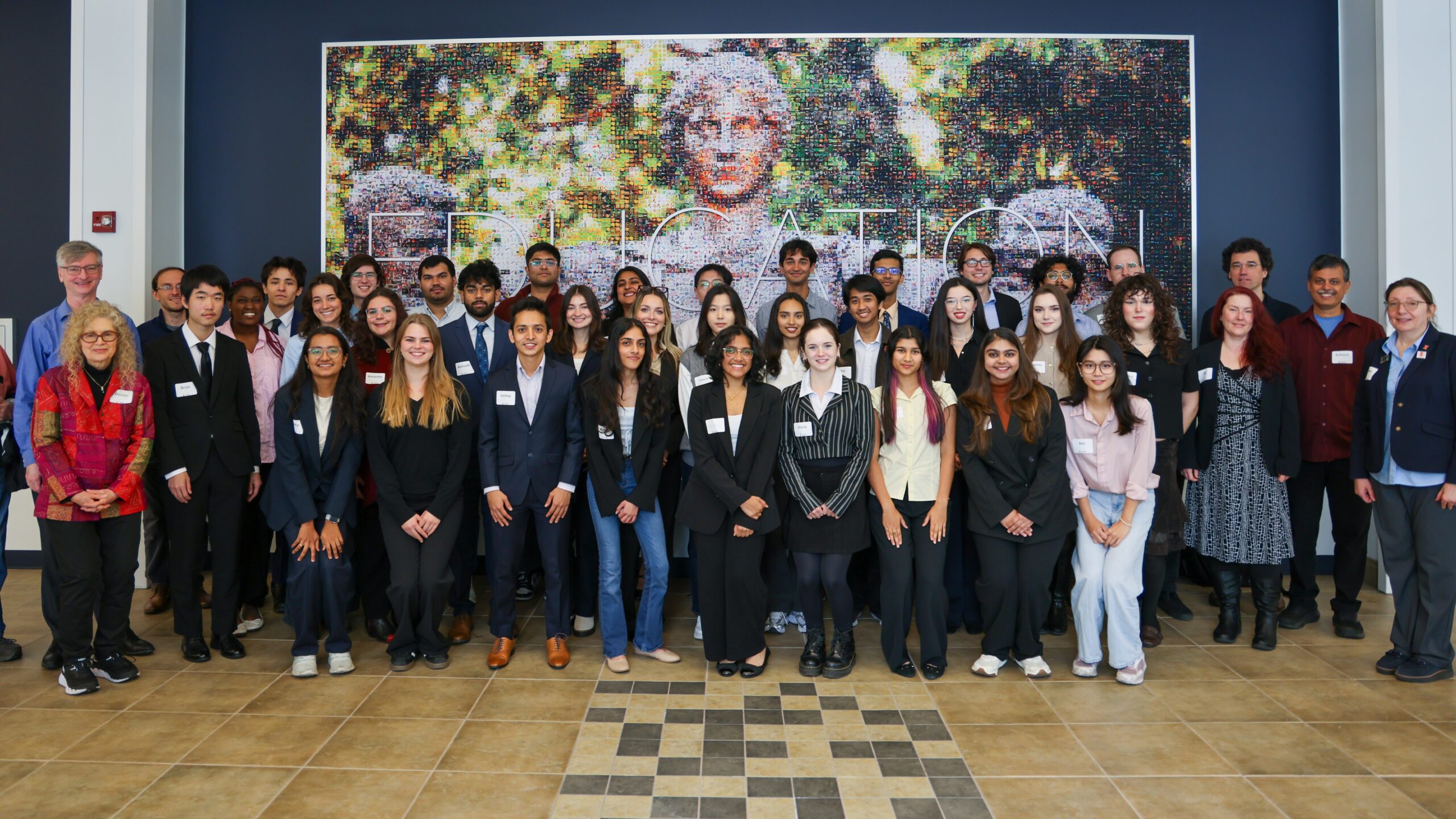
NCSA Awards 38 Students Fiddler Innovation Fellowships
Help Desk is available from 7 a.m. to 11:30 p.m., seven days a week, 365 days a year.