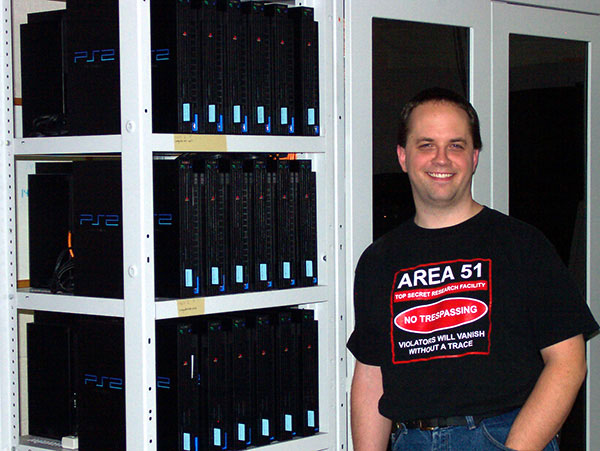
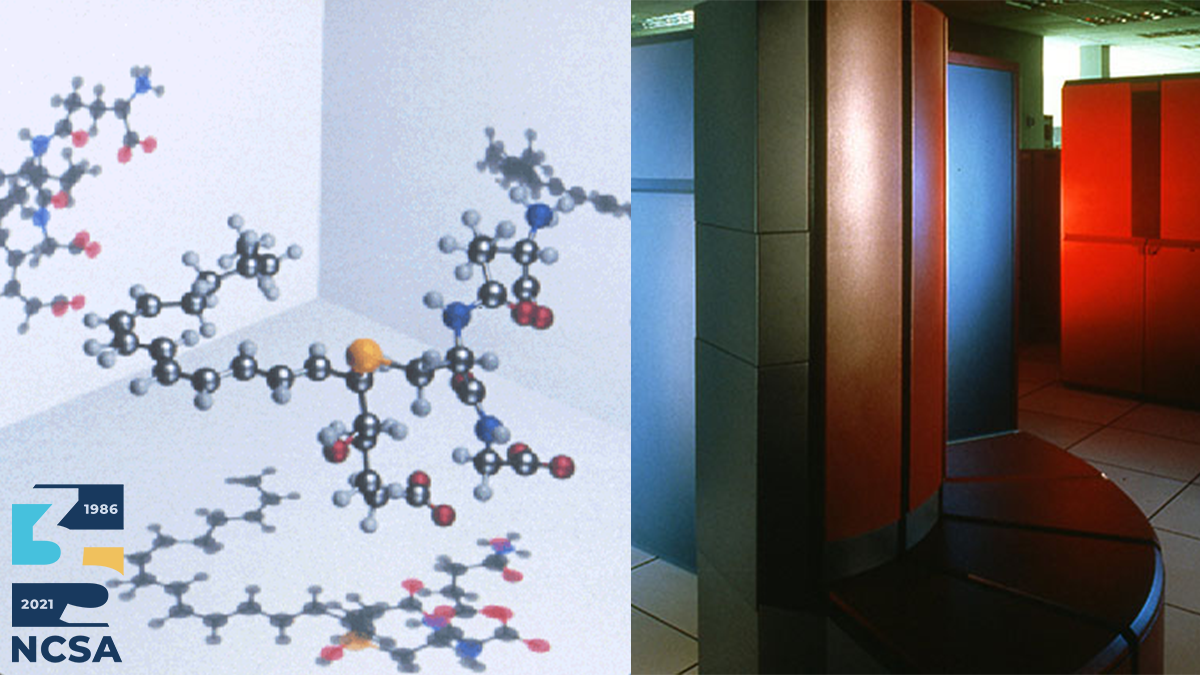
When Sony later released the Linux Kit for the PS2, interest in the machines spread beyond the gaming community to a seemingly unlikely place: the National Center for Supercomputing Applications (NCSA).
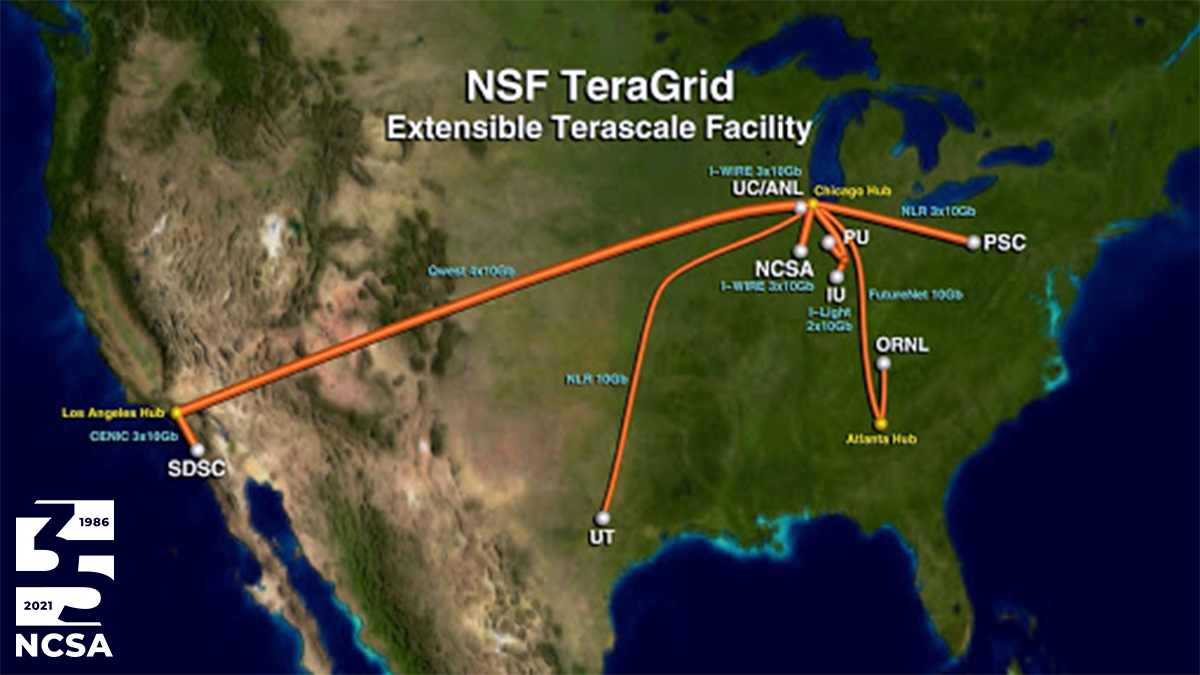
The National Science Foundation (NSF) has awarded $53 million to four U.S. research institutions to build and deploy a distributed terascale facility (DTF).
August 1999 marked the first time usage of a National Science Foundation high-performance computer topped one million normalized CPU hours in one month.
Champaign-Urbana makes an appearance on Newsweek’s top tech cities list, due in-part to NCSA.
David Herron of Eli Lilly and Company harnessed high-performance computing to aid the fight against asthma from the moment the company joined NCSA’s Industrial Program, now the Private Sector Program, in 1987.
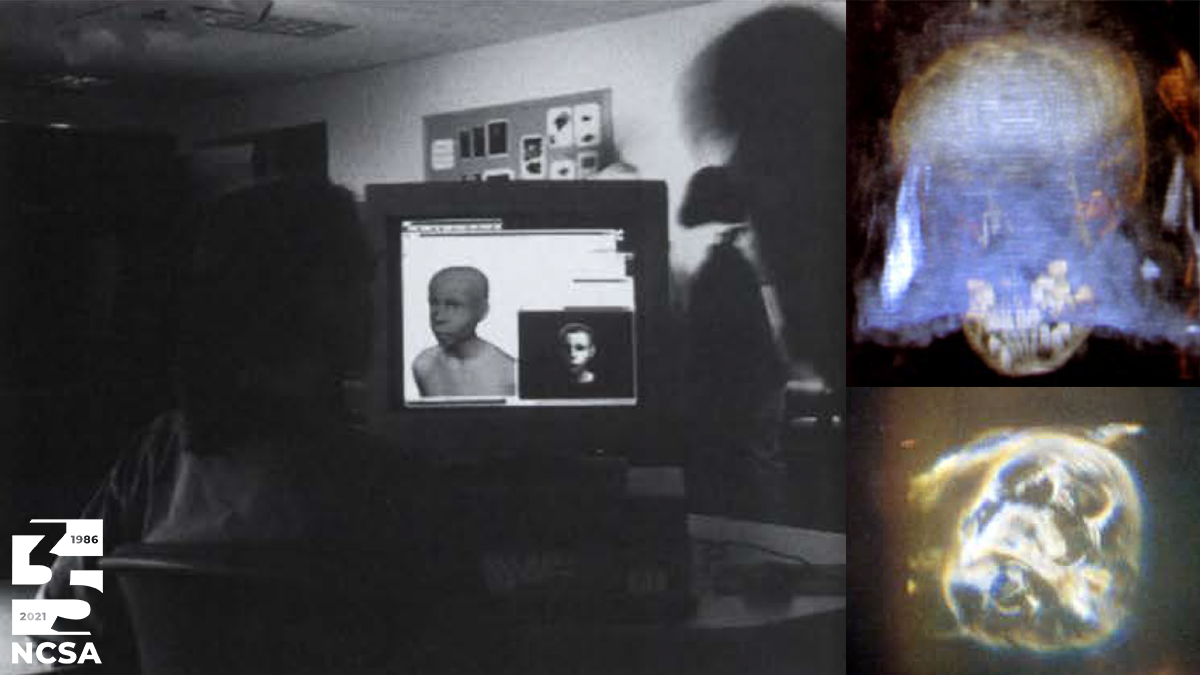
The University of Illinois’ World Heritage Museum received a donated Egyptian mummy in 1989. An interdisciplinary team, including NCSA, then worked to better understand the mummification process and to determine the mummy’s age, sex, medical history, and cause of death.
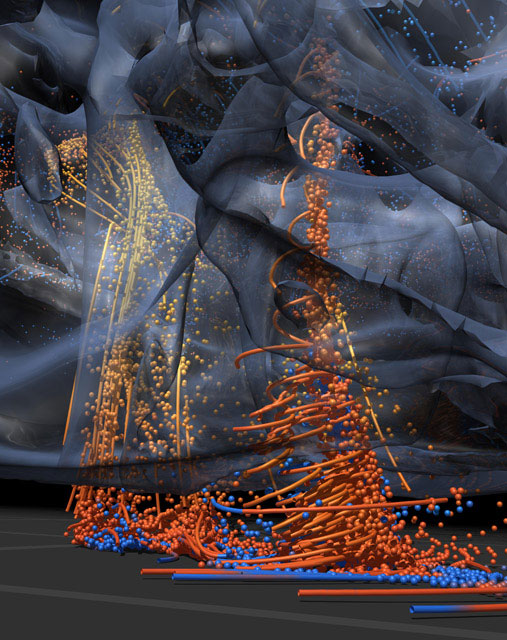
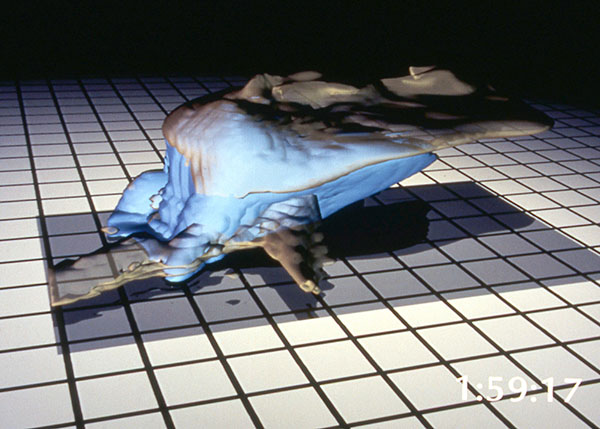
The visualizations of thunderstorms that an NCSA team built in 1989 were not only palatable, they were beautiful and hugely informative. The animation of a thunderstorm as it forms debuted at SIGGRAPH, the international visualization conference.