New $9 million award from the U.S. National Science Foundation aims to further integrate advanced computing resources and lower barriers for researchers.
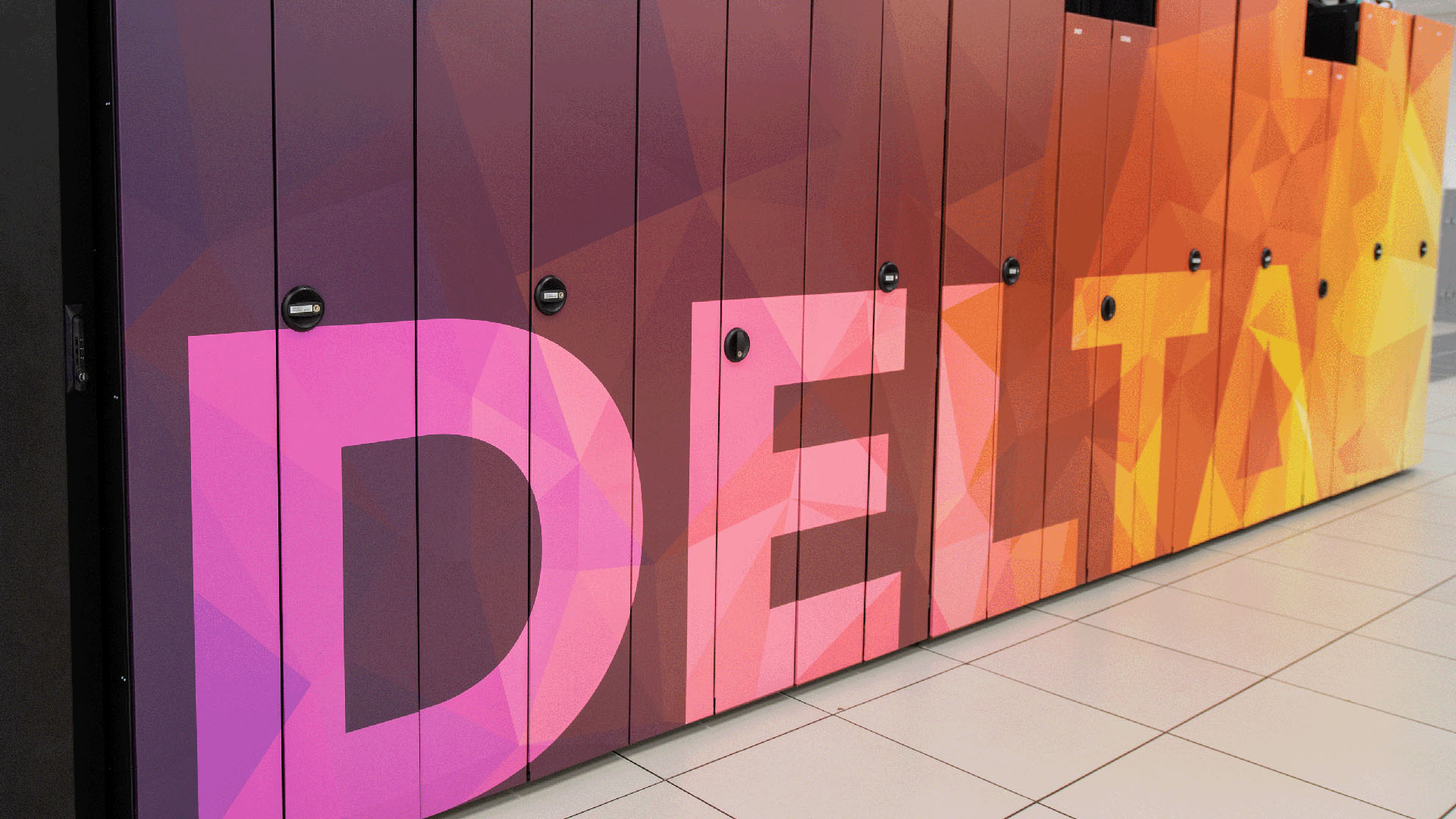
New $9 million award from the U.S. National Science Foundation aims to further integrate advanced computing resources and lower barriers for researchers.

Researchers used advanced computing at NCSA to determine how carbon atoms behave under different pressures and temperatures.
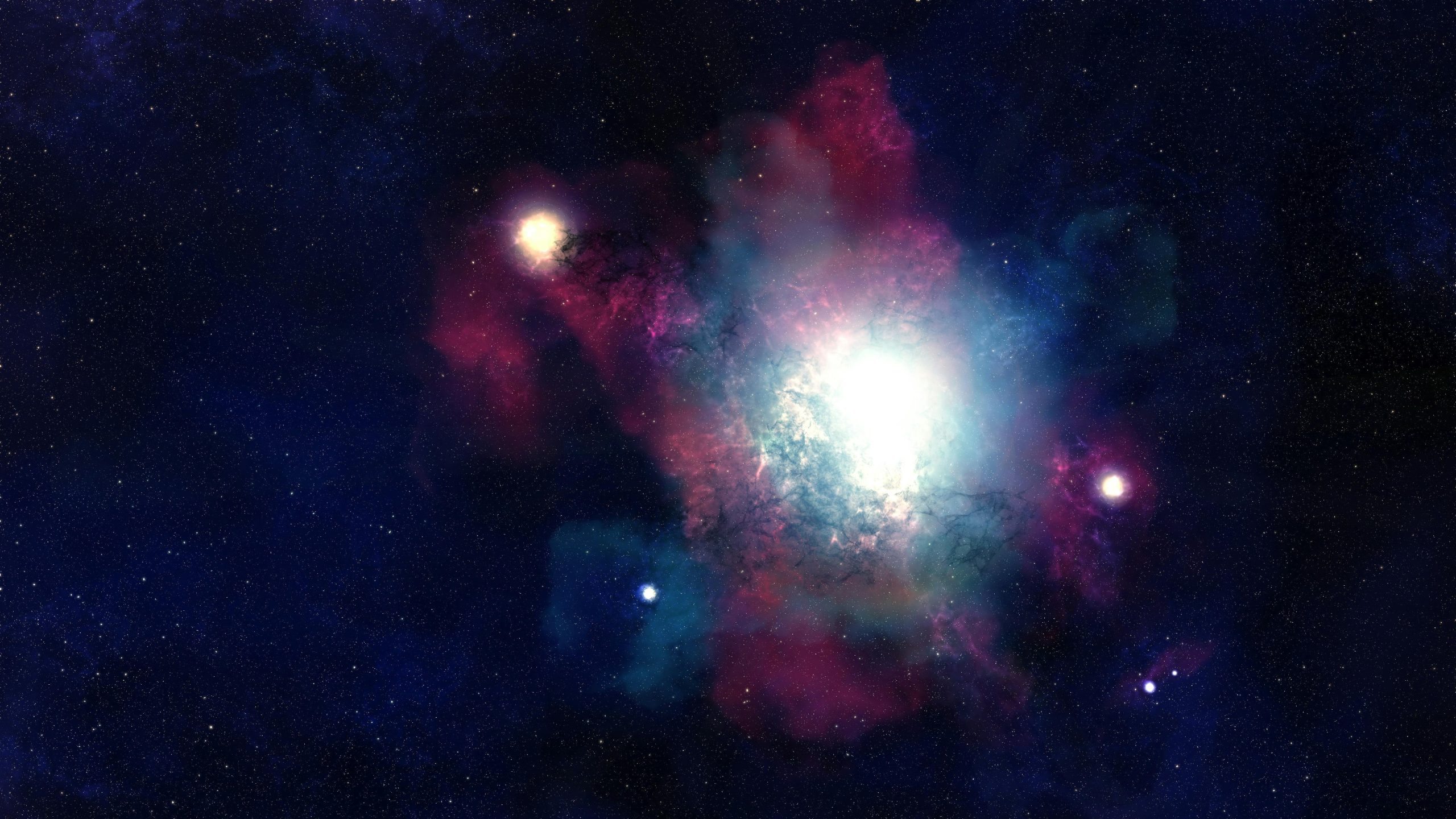
Researchers used NCSA’s Delta and DeltaAI systems to test RADAR, a new framework for studying the universe through gravitational waves and radio astronomy.

Researchers gained new insights into the essential processes of life by simulating the full cycle of a bacterial cell on NCSA’s Delta supercomputer.
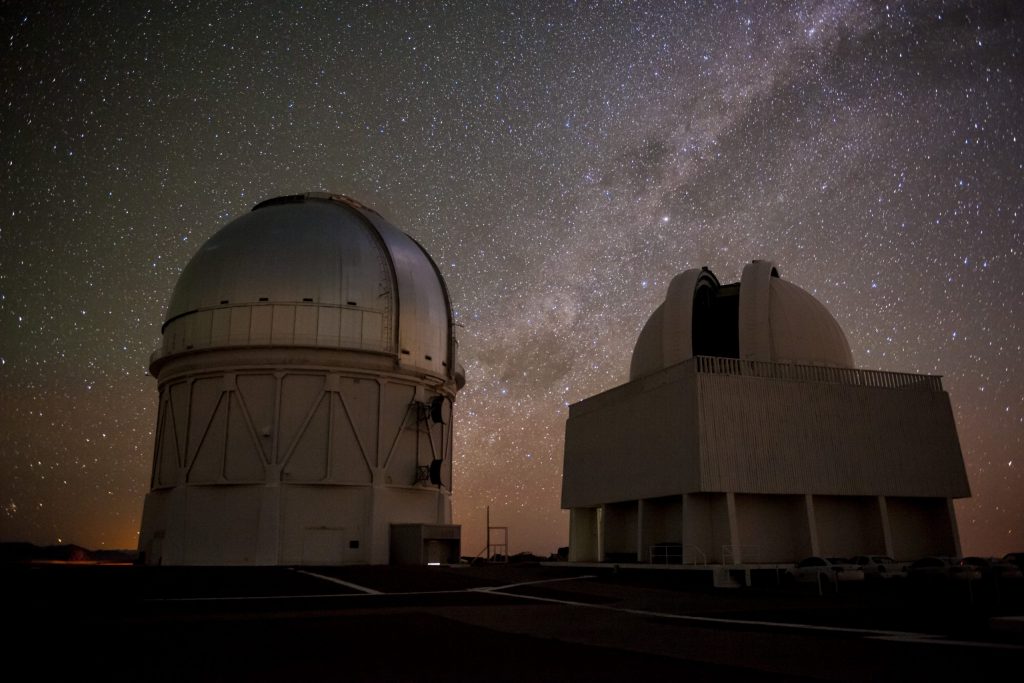
Data processed and served by NCSA enabled the Dark Energy Survey’s most detailed analysis of cosmic expansion.
This year’s group of summer CDA REU students learn about robotics, biotechnology, animal science and more.

Experts from NCSA help host a daylong quantum computing workshop at this year’s PEARC conference.

NCSA is part of the ACCESS program, which offers more than computing power to a nationwide network of researchers and educators.

SPIN closes out a year of accomplishments and recognizes the outstanding work of the program’s interns and mentors.

NCSA participated in this year’s Engineering Open House, showing the power of scientific research to visitors of all ages.