NCSA will provide a new home for the Personalized Nutrition Initiative at the University of Illinois.

NCSA will provide a new home for the Personalized Nutrition Initiative at the University of Illinois.
Researchers at NCSA and the University of Illinois use a novel method to better understand and diagnose cancerous tumor heterogeneity.

A collaboration of researchers from around the country used NCSA’s DeltaAI to help develop a dataset that will improve prostate cancer detection.

Researchers gained new insights into the essential processes of life by simulating the full cycle of a bacterial cell on NCSA’s Delta supercomputer.

Researchers at the University of Illinois utilize NCSA resources to develop tools for monitoring anxiety in real time.
Researchers use supercomputers, including Delta, to build an atom-thin platform to film DNA in real-time.
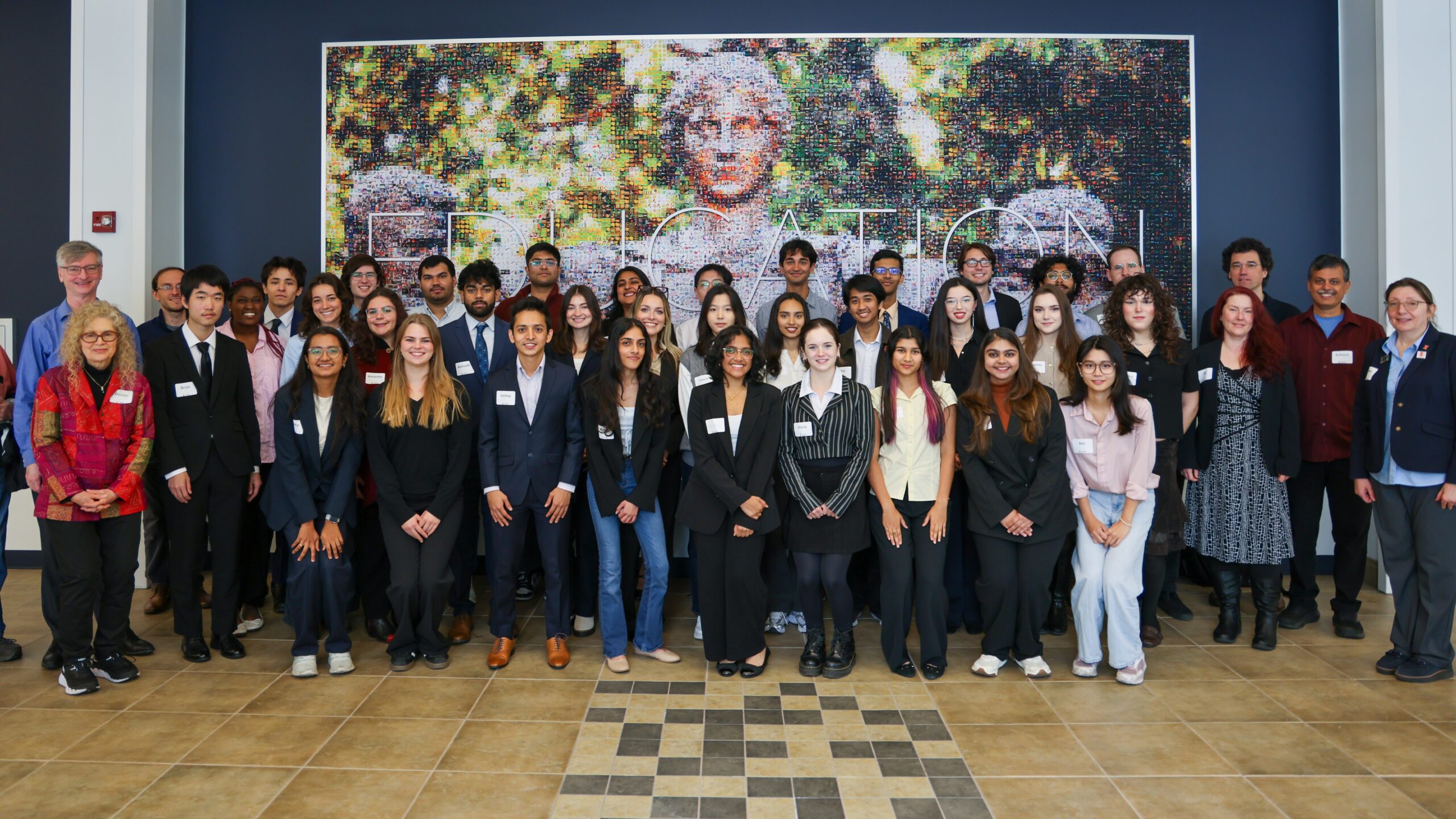
Students in NCSA programs were recognized for their outstanding work and interdisciplinary contributions to various fields of research.
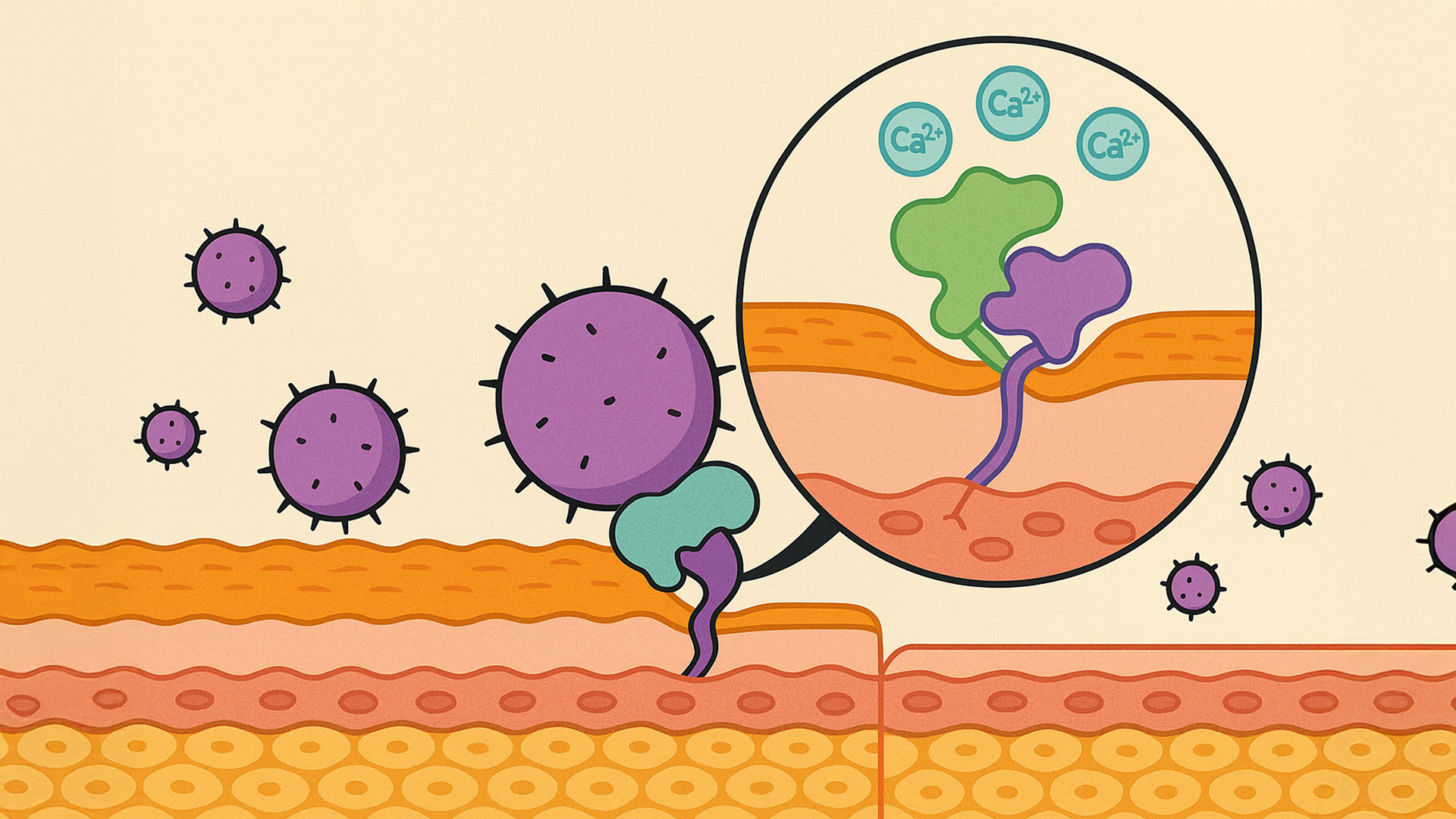
Computers sometimes have their own bugs to deal with, but the GPU-based Delta system at the National Center for Supercomputing Applications chipped in to help researchers learn more about what makes staph infections so resilient and challenging to treat. Auburn University biophysicists relied on the Delta supercomputer at NCSA to uncover new details on the […]
Researchers from Cornell University use Delta to explore how a protein in the blood-brain barrier could be the key to better deliver treatments to the brain.

NCSA resources assist a researcher from Ohio State University in studying atrial fibrillation in order to create better treatments for this deadly condition.