NCSA is hosting an AI workshop October 5-6 for researchers of all domains and disciplines.
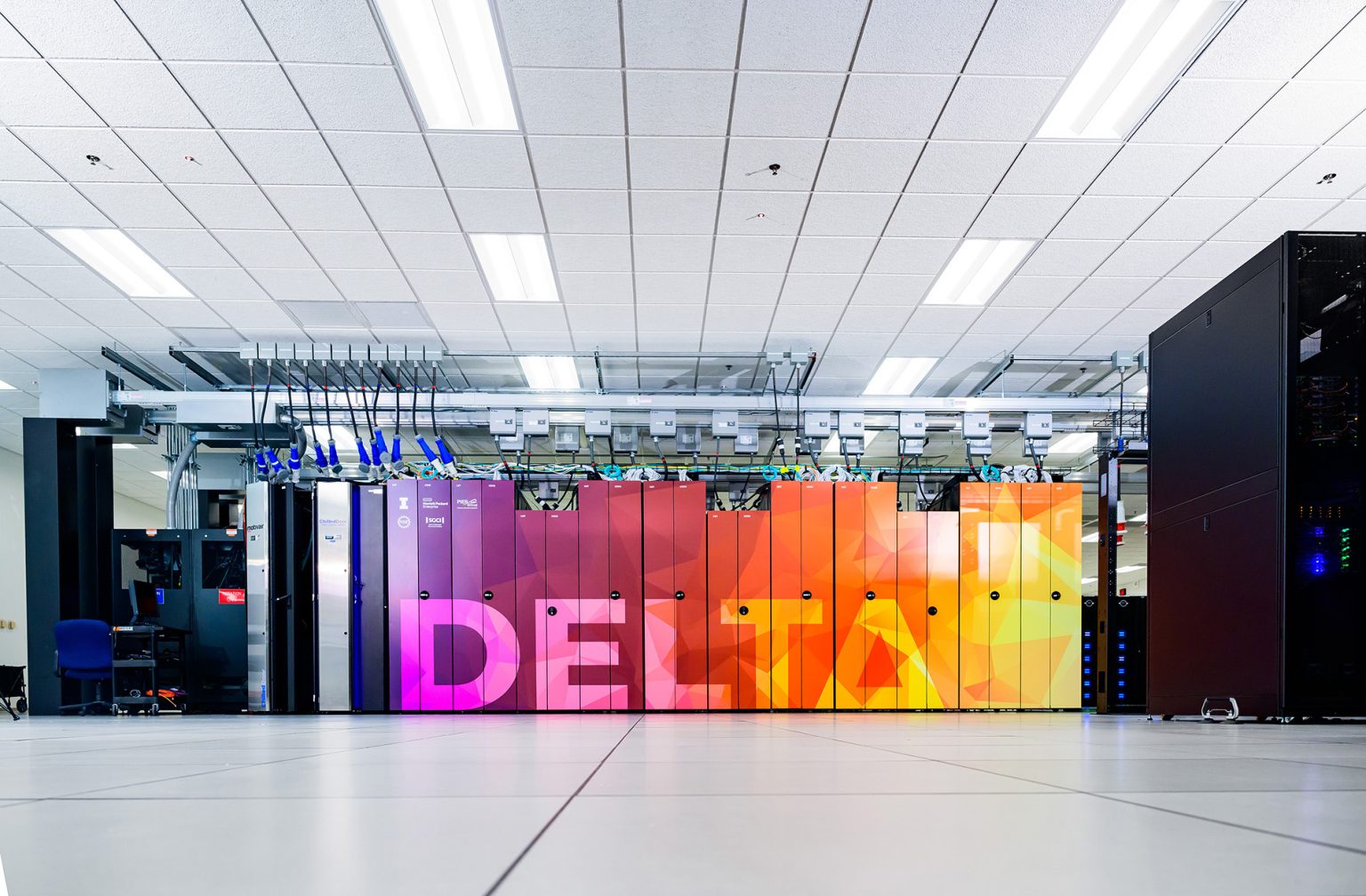
NCSA is hosting an AI workshop October 5-6 for researchers of all domains and disciplines.
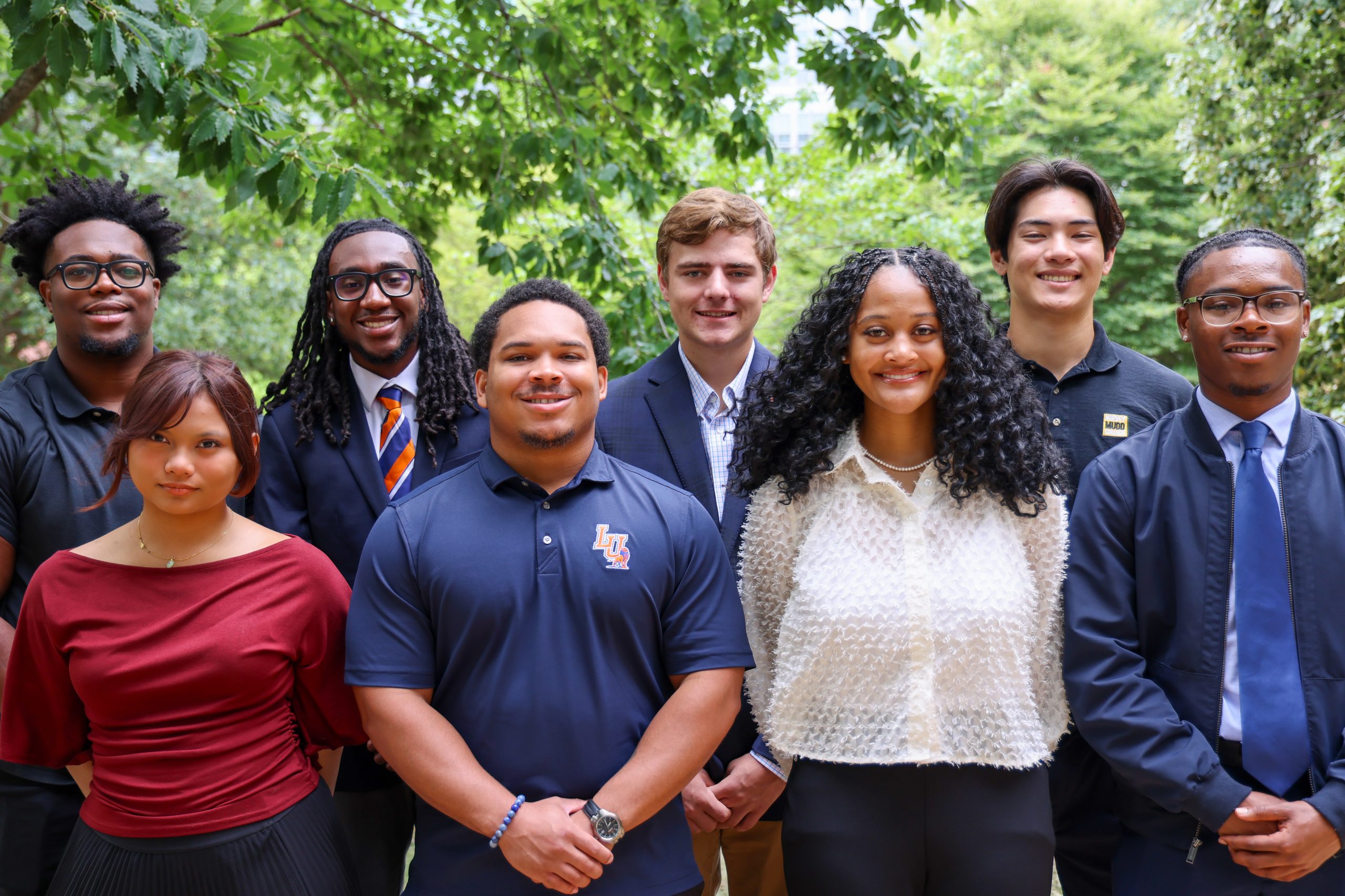
Students in the Center for Digital Agriculture Research Experience for Undergraduates learned what collaboration looks like at a research-driven university.
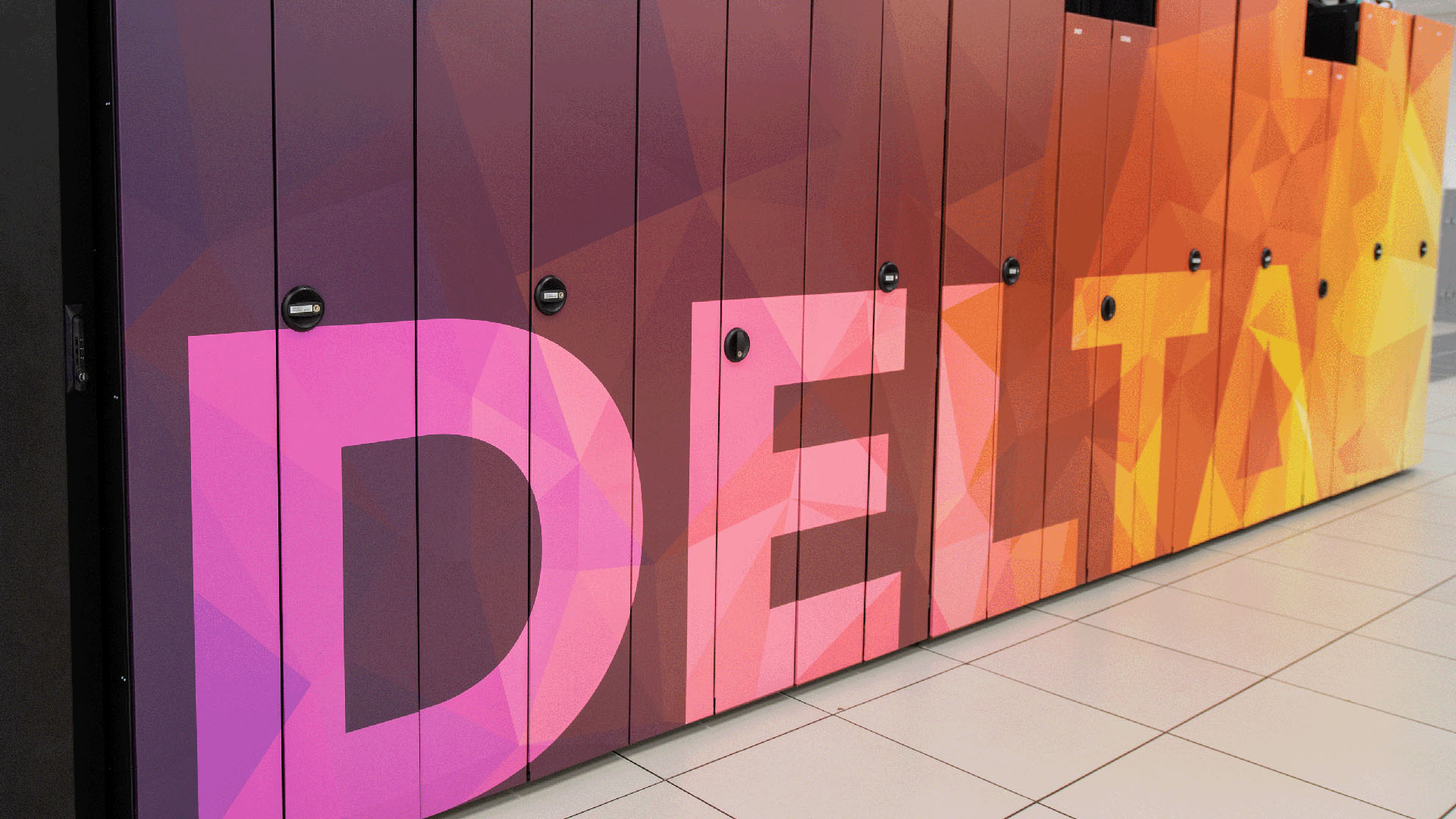
New $9 million award from the U.S. National Science Foundation aims to further integrate advanced computing resources and lower barriers for researchers.
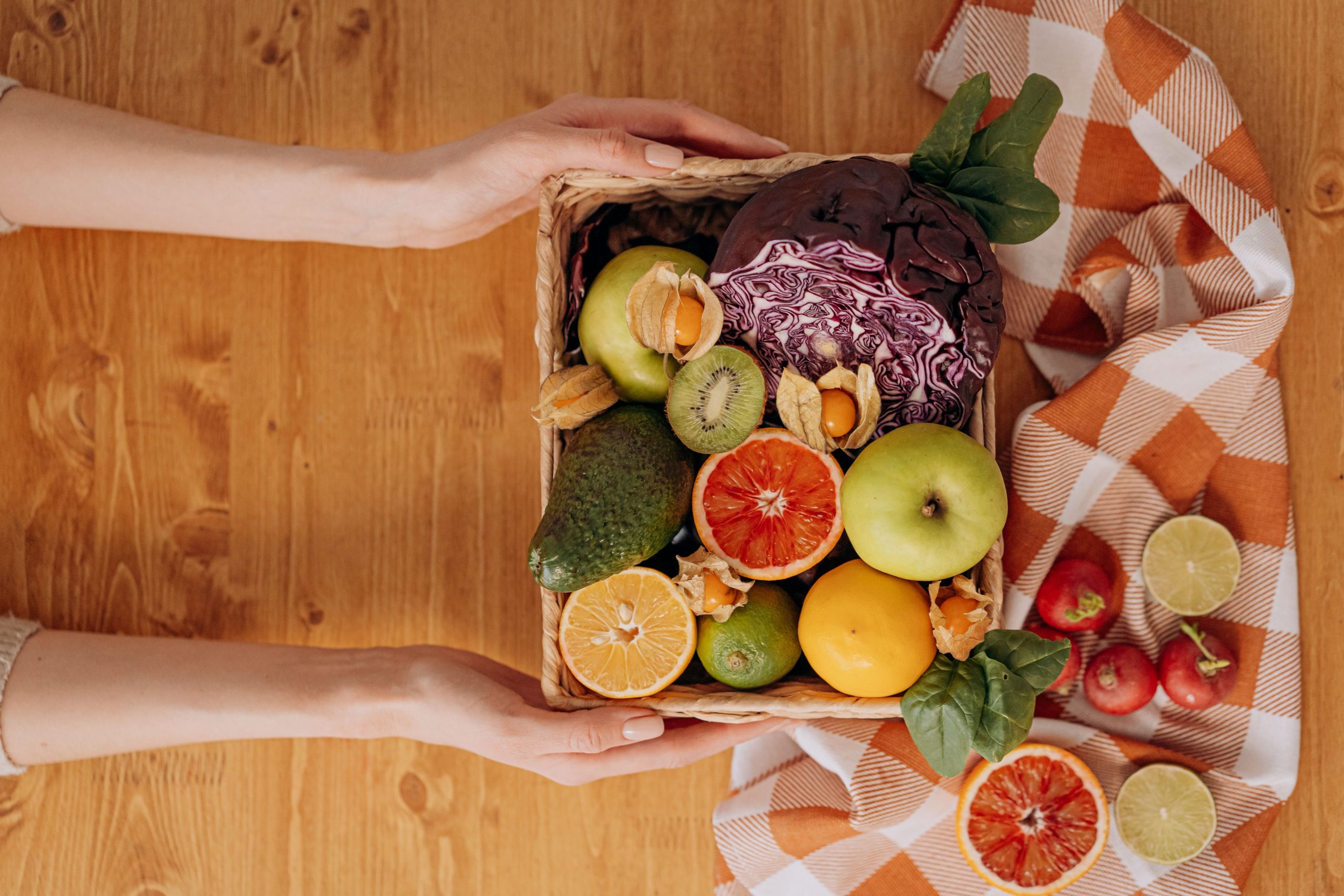
NCSA will provide a new home for the Personalized Nutrition Initiative at the University of Illinois.
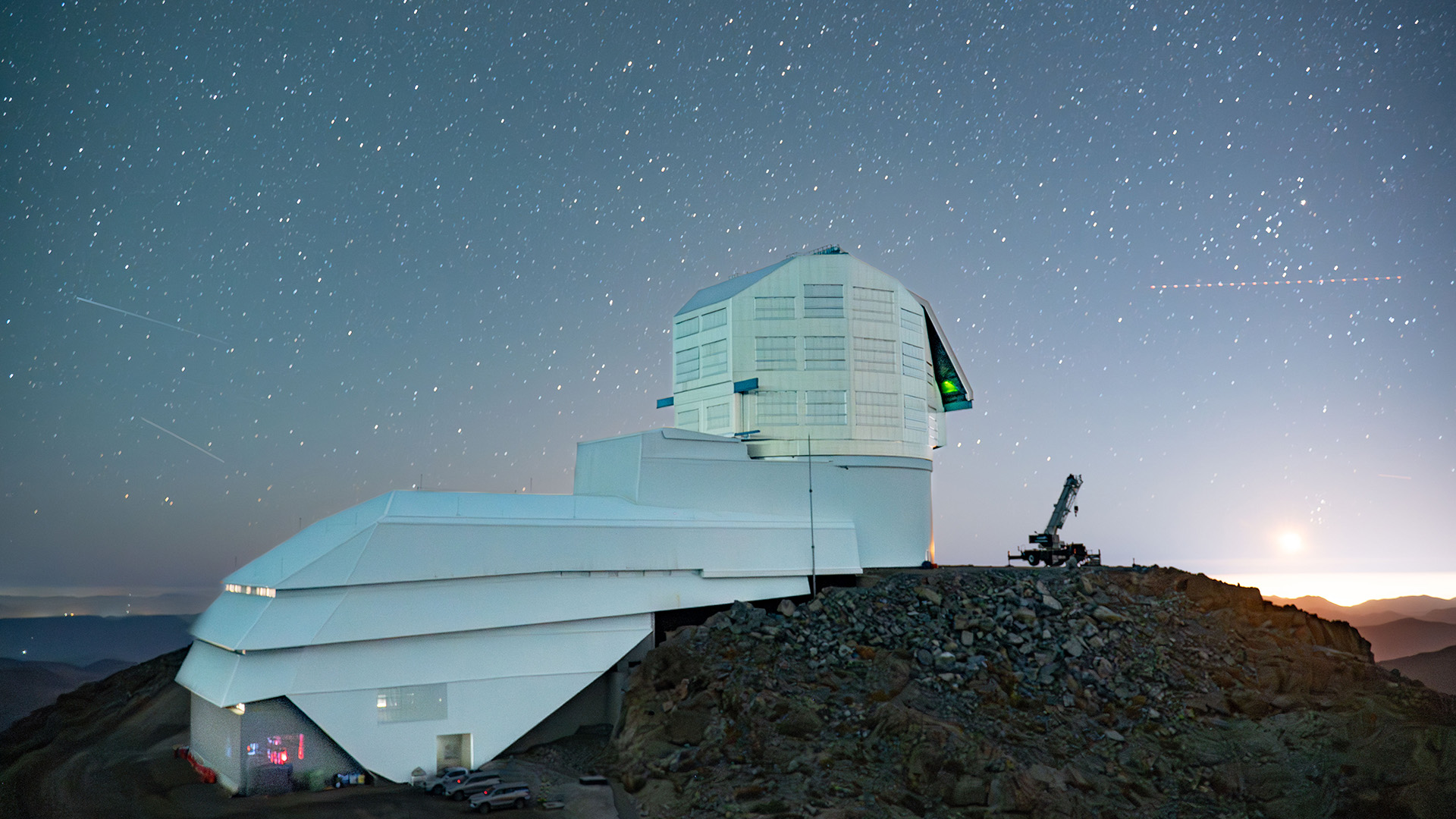
The Vera C. Rubin Observatory’s Legacy Survey of Space and Time officially kicked off today.
NCSA researchers are helping make Delta more accessible to a wider audience through an innovative workshop series.
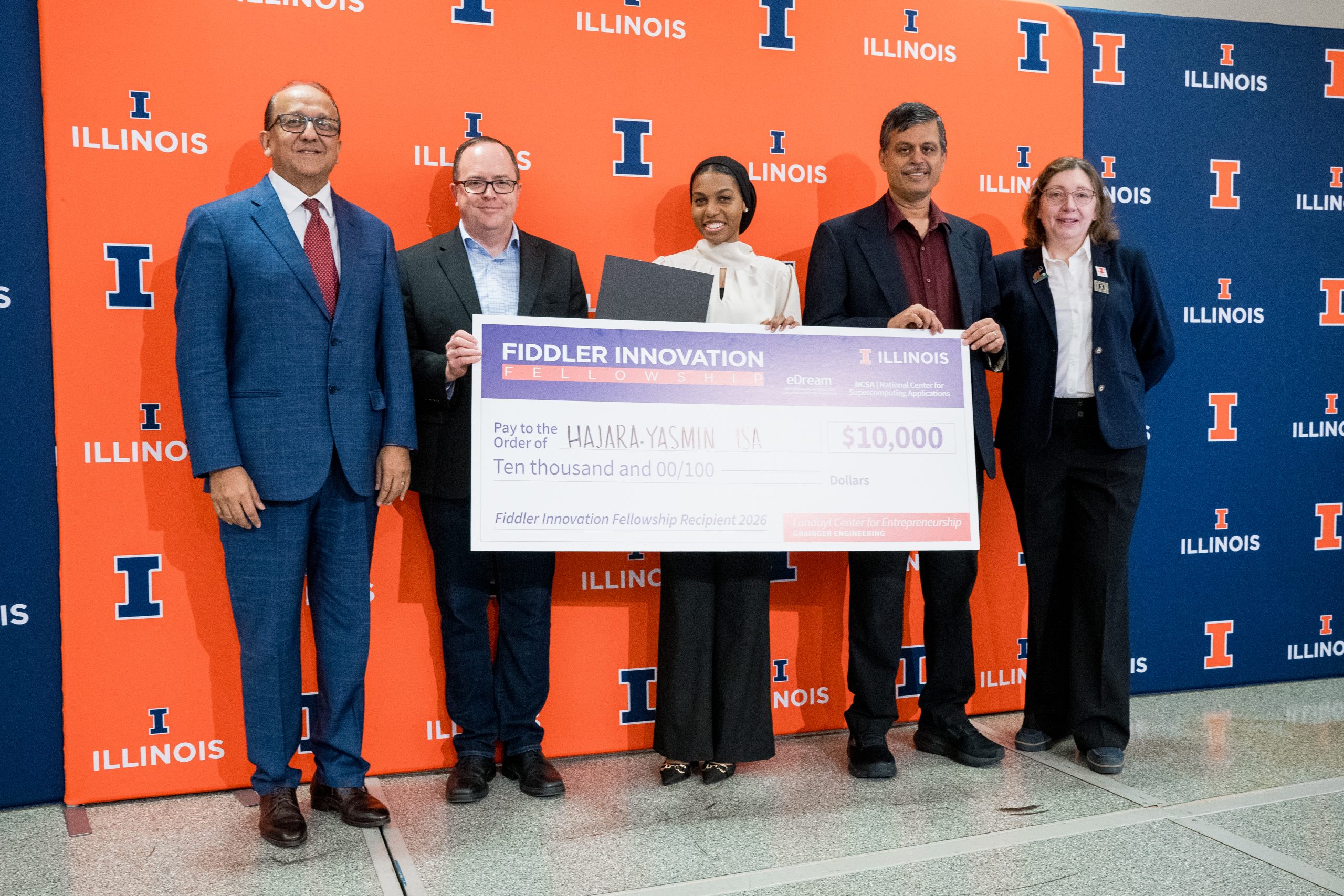
Grainger College of Engineering doctoral student Hajara-Yasmin Isa won a $10,000 award for providing West Africans with accessible computer science learning materials.

Researchers used advanced computing at NCSA to determine how carbon atoms behave under different pressures and temperatures.
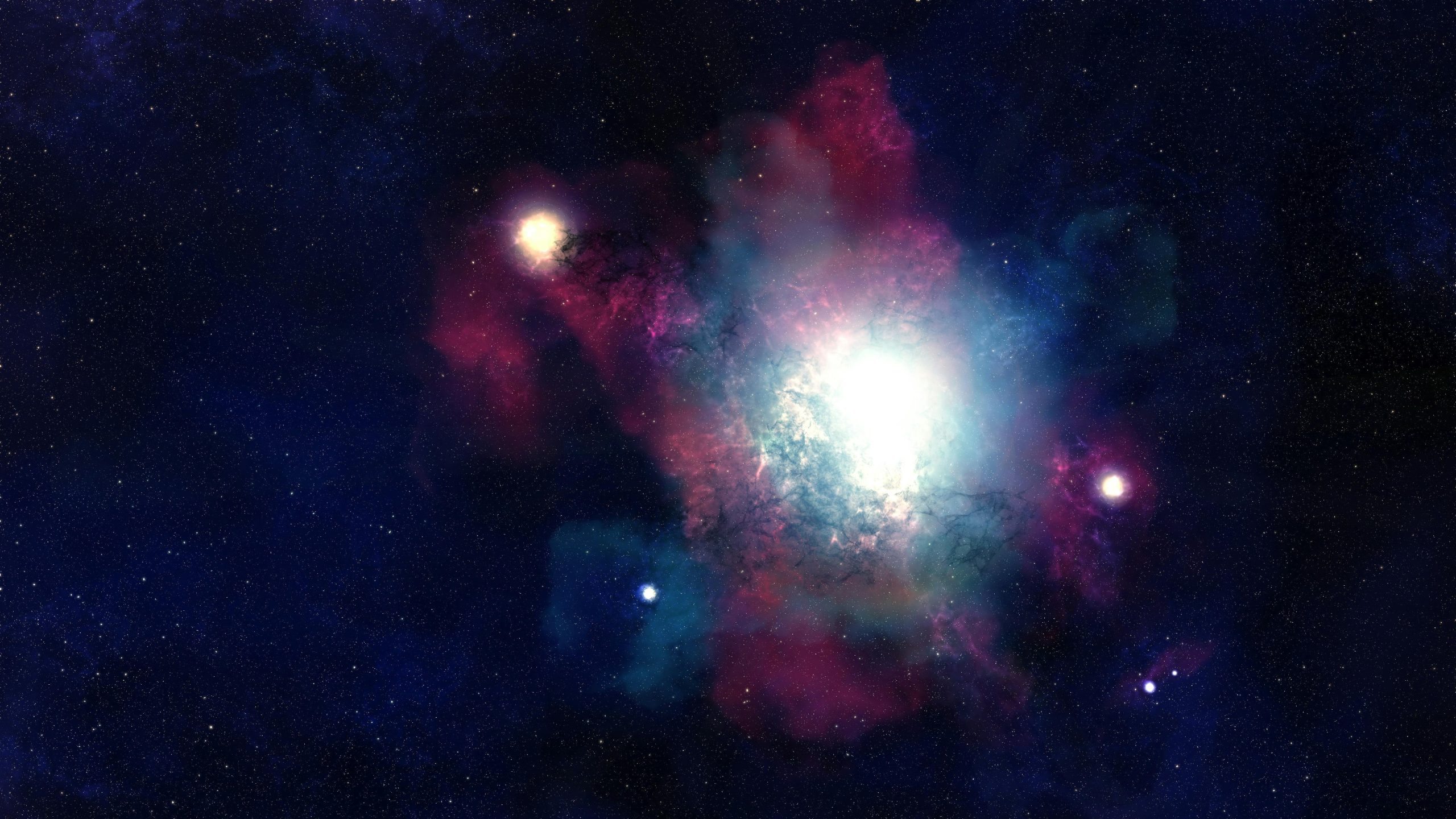
Researchers used NCSA’s Delta and DeltaAI systems to test RADAR, a new framework for studying the universe through gravitational waves and radio astronomy.

Researchers gained new insights into the essential processes of life by simulating the full cycle of a bacterial cell on NCSA’s Delta supercomputer.