Using NCSA’s Delta supercomputer, researchers built a model that is five times faster at simulating a deadly, unpredictable stage of tropical cyclones.
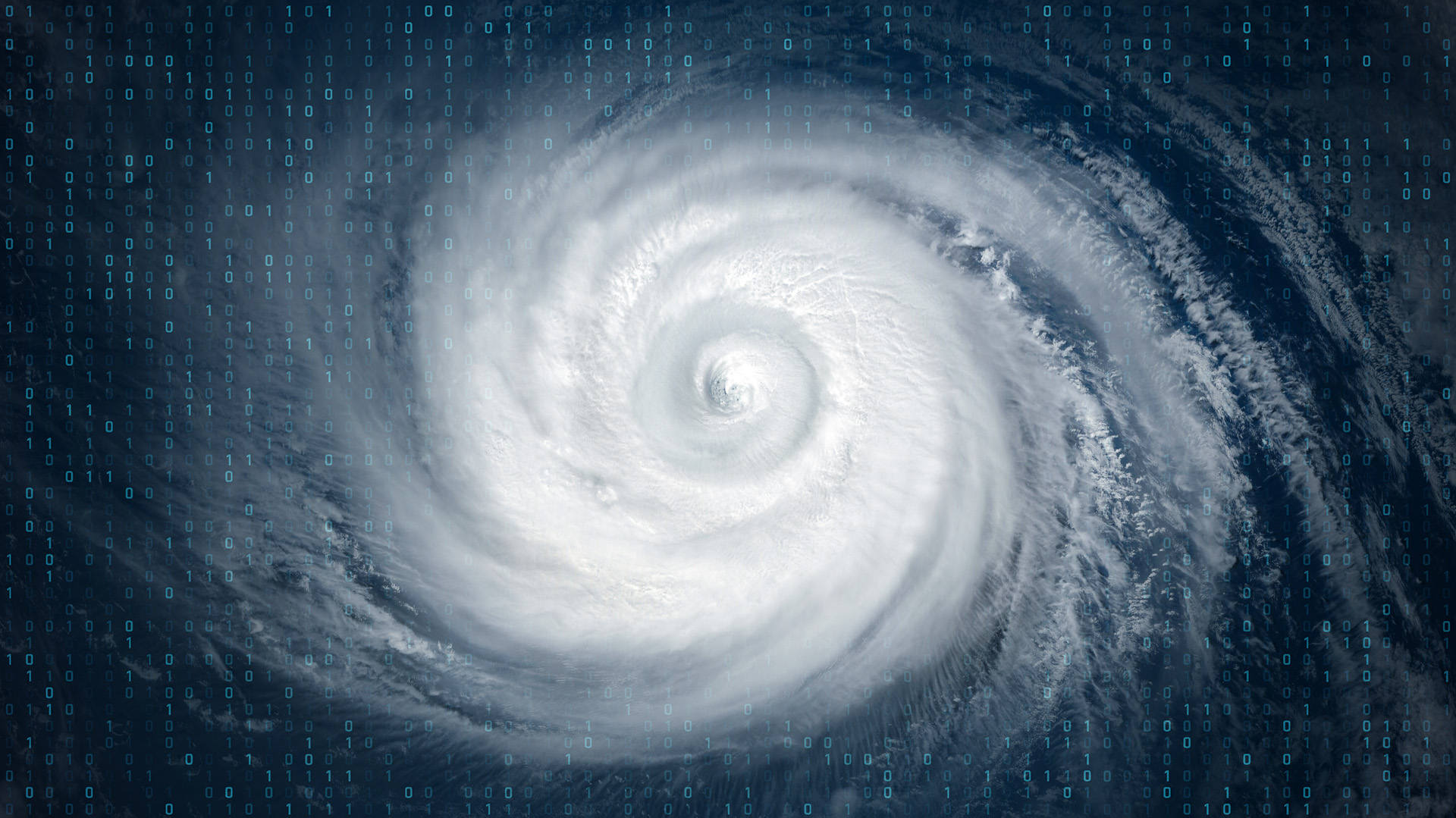
Using NCSA’s Delta supercomputer, researchers built a model that is five times faster at simulating a deadly, unpredictable stage of tropical cyclones.
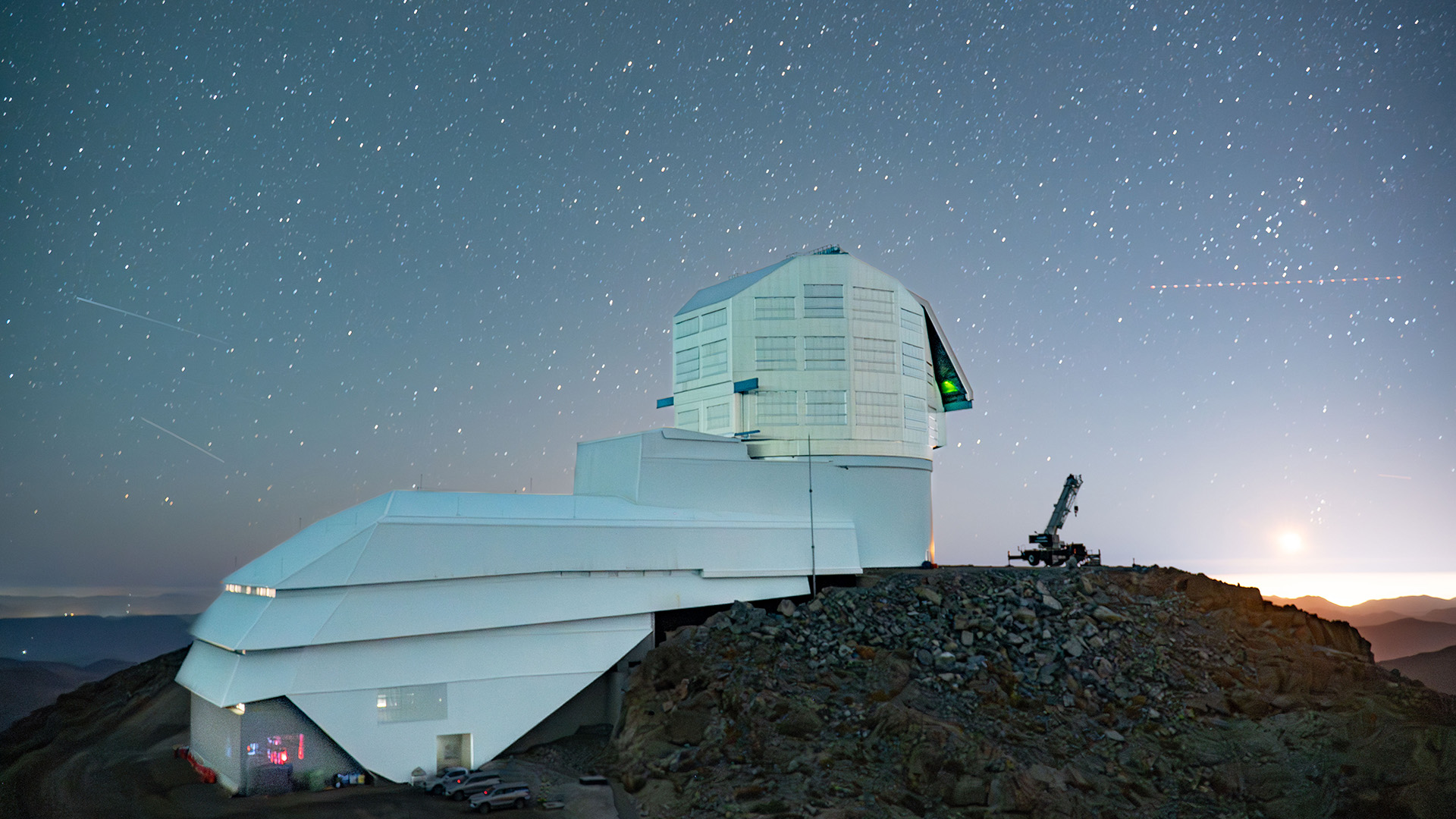
The Vera C. Rubin Observatory’s Legacy Survey of Space and Time officially kicked off today.
Researchers at NCSA and the University of Illinois use a novel method to better understand and diagnose cancerous tumor heterogeneity.
Researchers from Yale University use NCSA resources to build AI tools that decode individual genetic blueprints and map how genes interact within tissues over time.
NCSA and CAPS help map the cosmos with the power of supercomputing.
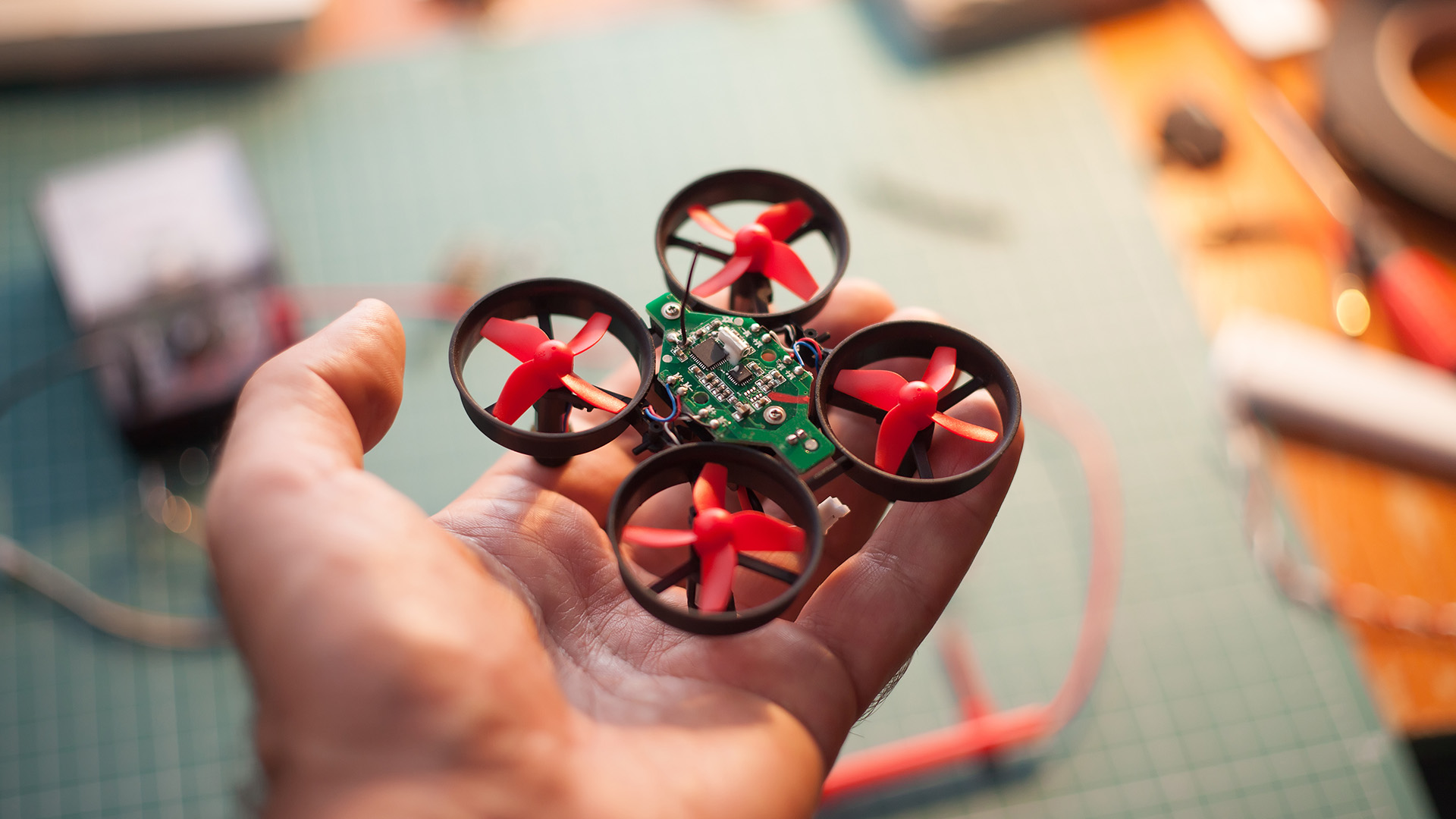
Researchers use their time on NCSA’s DeltaAI supercomputer to train AI agents more effectively by pitting them against each other in flying competitions.

A collaboration of researchers from around the country used NCSA’s DeltaAI to help develop a dataset that will improve prostate cancer detection.
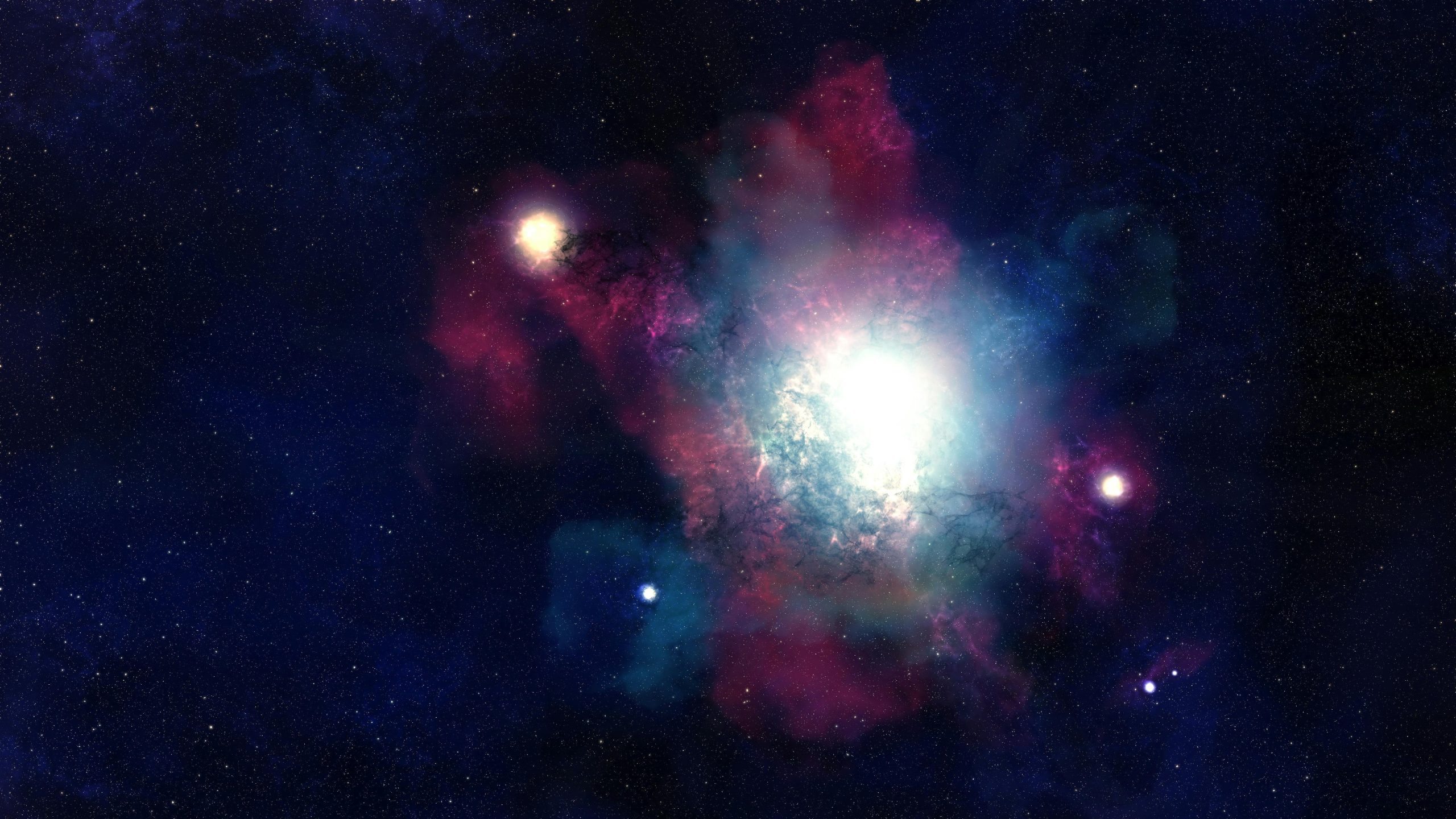
Researchers used NCSA’s Delta and DeltaAI systems to test RADAR, a new framework for studying the universe through gravitational waves and radio astronomy.

Researchers at the University of Illinois use NCSA’s Delta supercomputer to help prove that sometimes less data is better when training AI chatbots.

Illinois researchers run simulations on NCSA’s Delta supercomputer that explore why the Milky Way’s black hole is “quieter” than simulations normally indicate.