New $9 million award from the U.S. National Science Foundation aims to further integrate advanced computing resources and lower barriers for researchers.
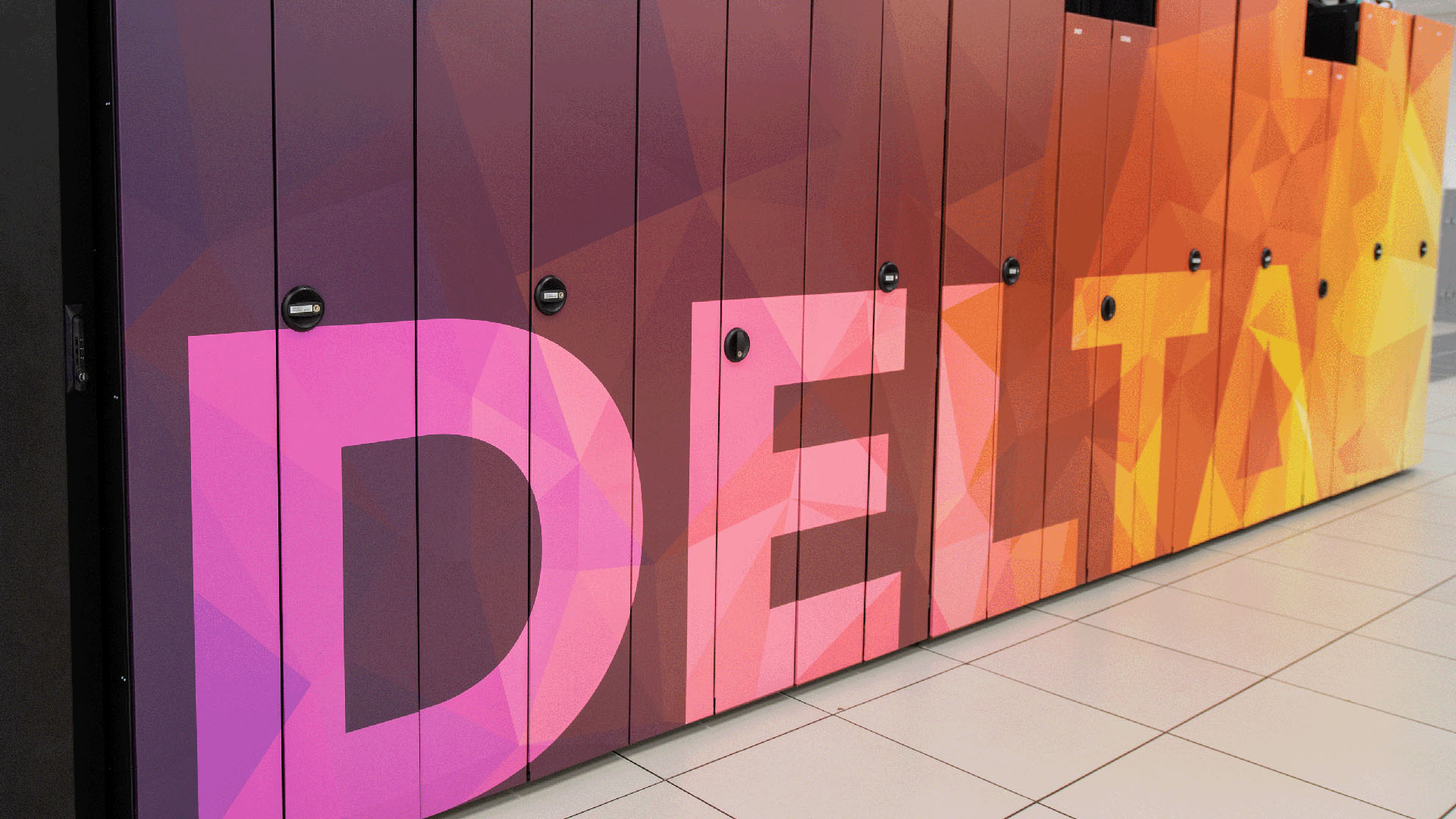
New $9 million award from the U.S. National Science Foundation aims to further integrate advanced computing resources and lower barriers for researchers.
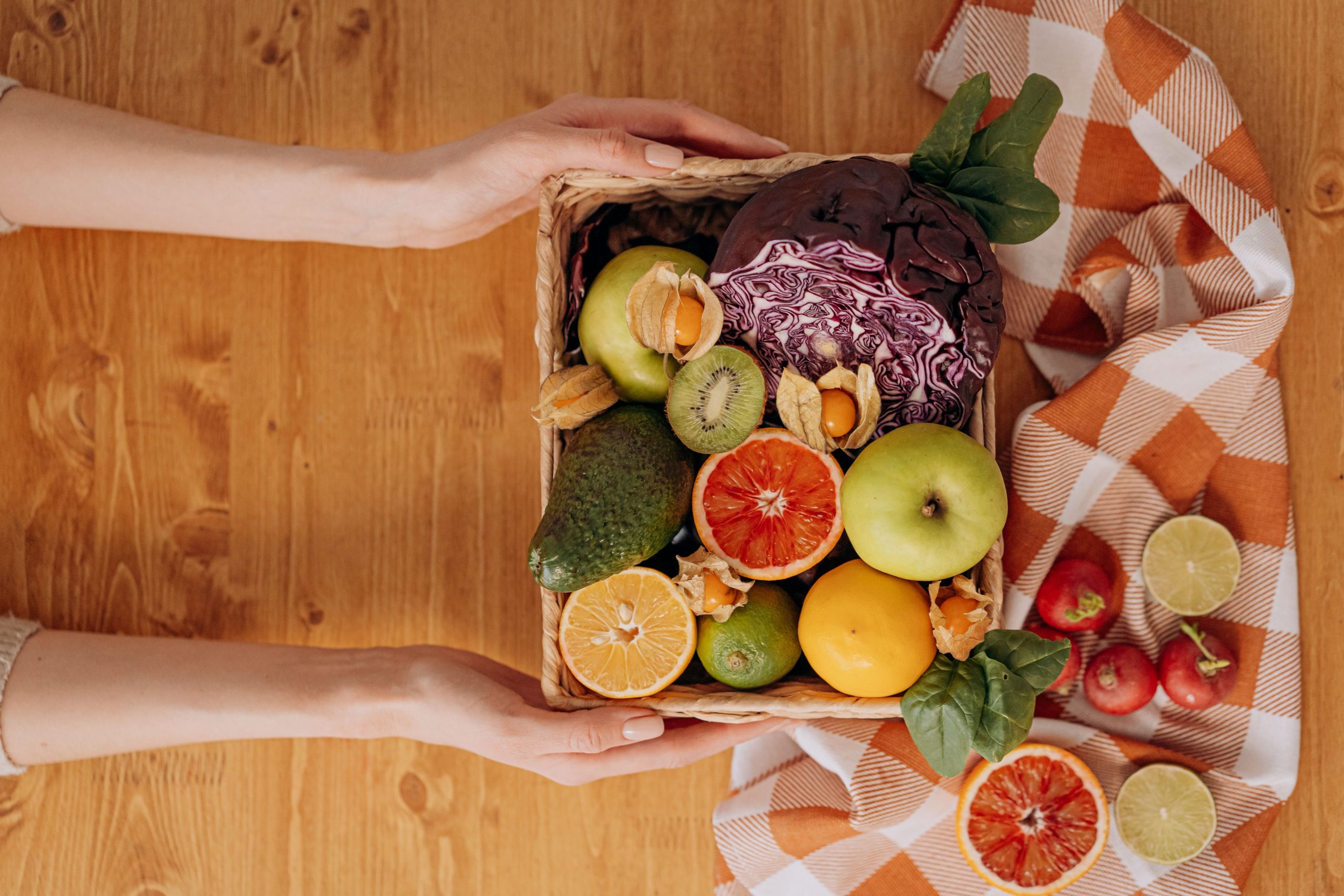
NCSA will provide a new home for the Personalized Nutrition Initiative at the University of Illinois.
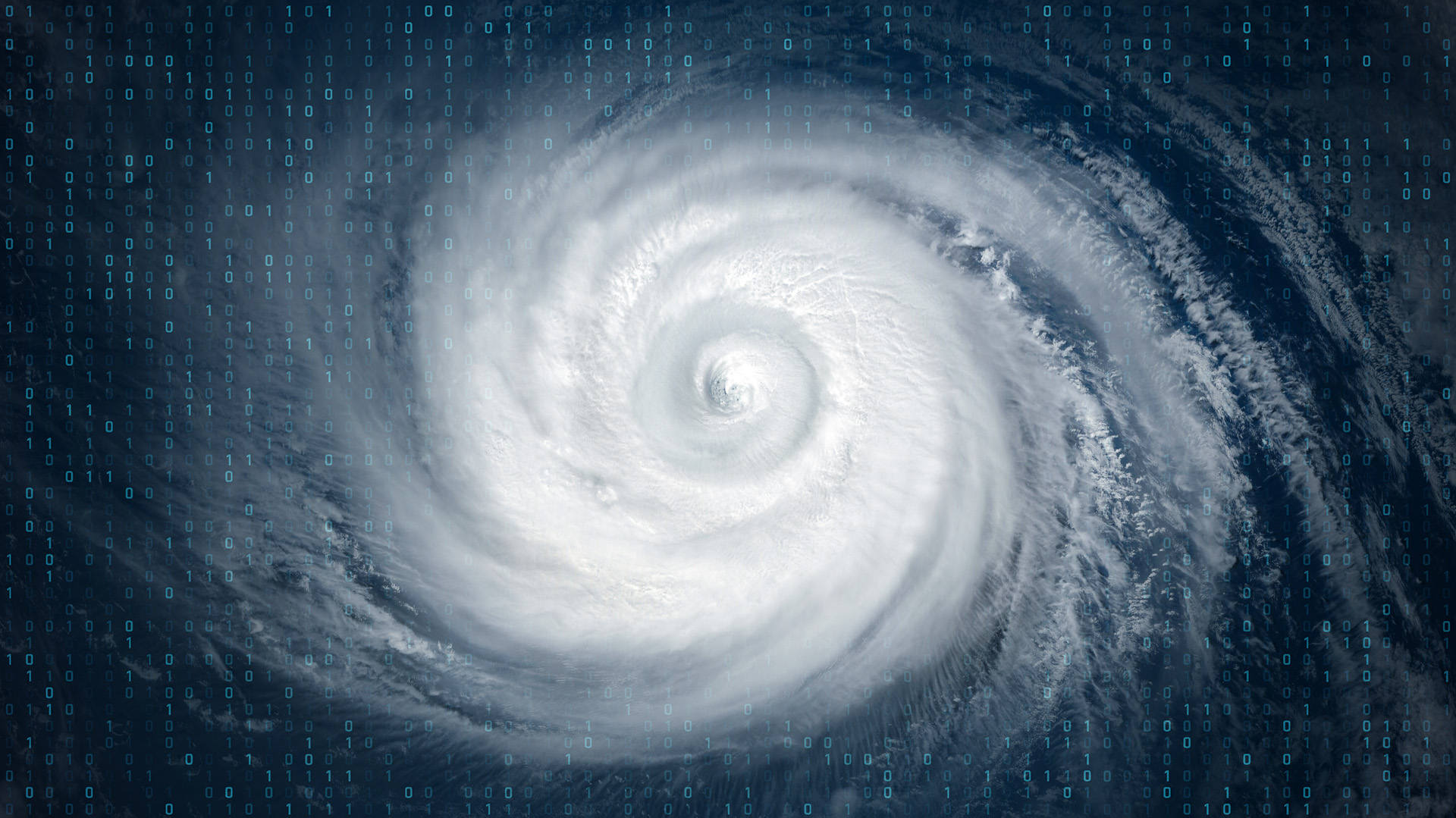
Using NCSA’s Delta supercomputer, researchers built a model that is five times faster at simulating a deadly, unpredictable stage of tropical cyclones.
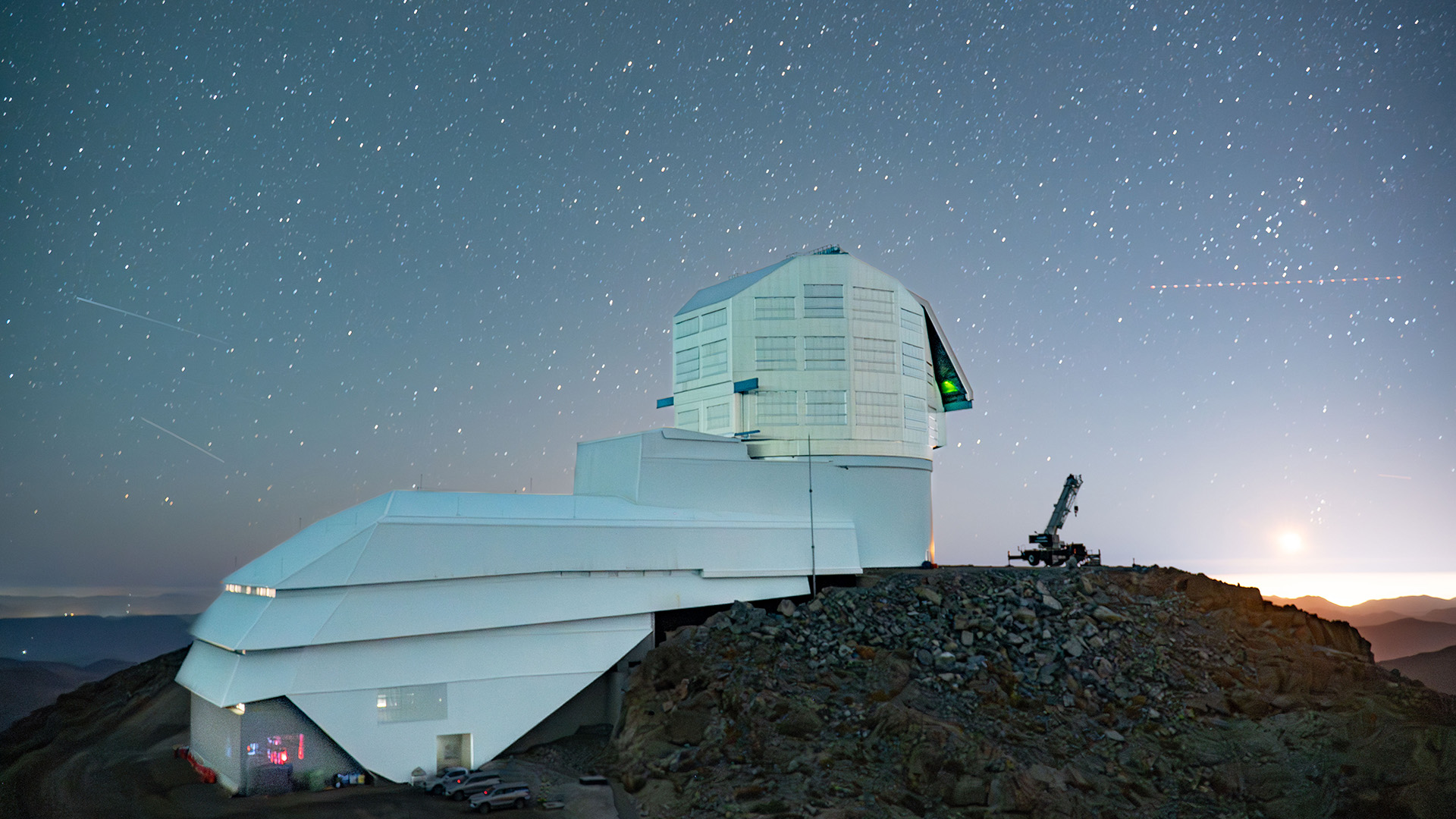
The Vera C. Rubin Observatory’s Legacy Survey of Space and Time officially kicked off today.
Researchers at NCSA and the University of Illinois use a novel method to better understand and diagnose cancerous tumor heterogeneity.
Researchers from Yale University use NCSA resources to build AI tools that decode individual genetic blueprints and map how genes interact within tissues over time.
NCSA and CAPS help map the cosmos with the power of supercomputing.
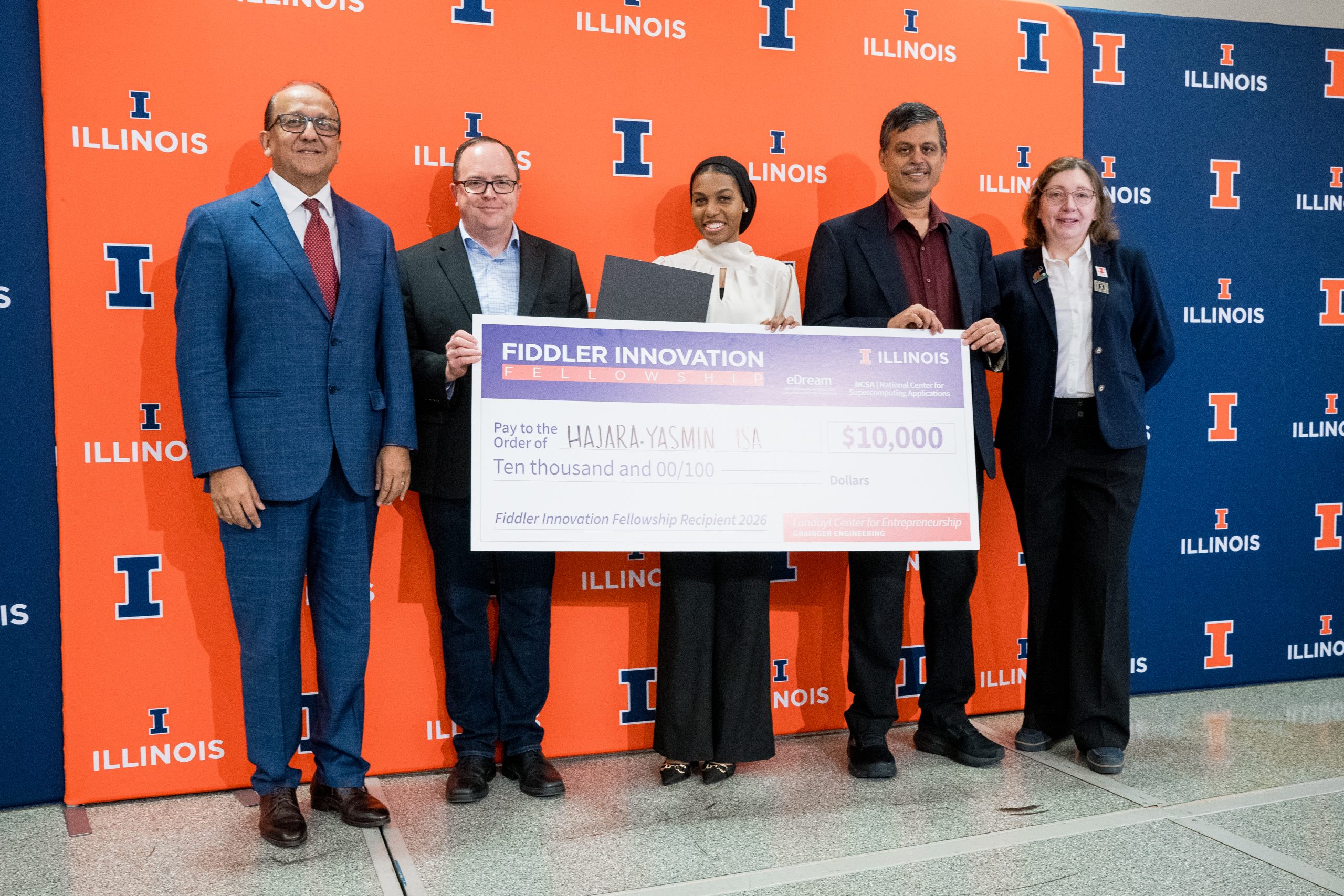
Grainger College of Engineering doctoral student Hajara-Yasmin Isa won a $10,000 award for providing West Africans with accessible computer science learning materials.
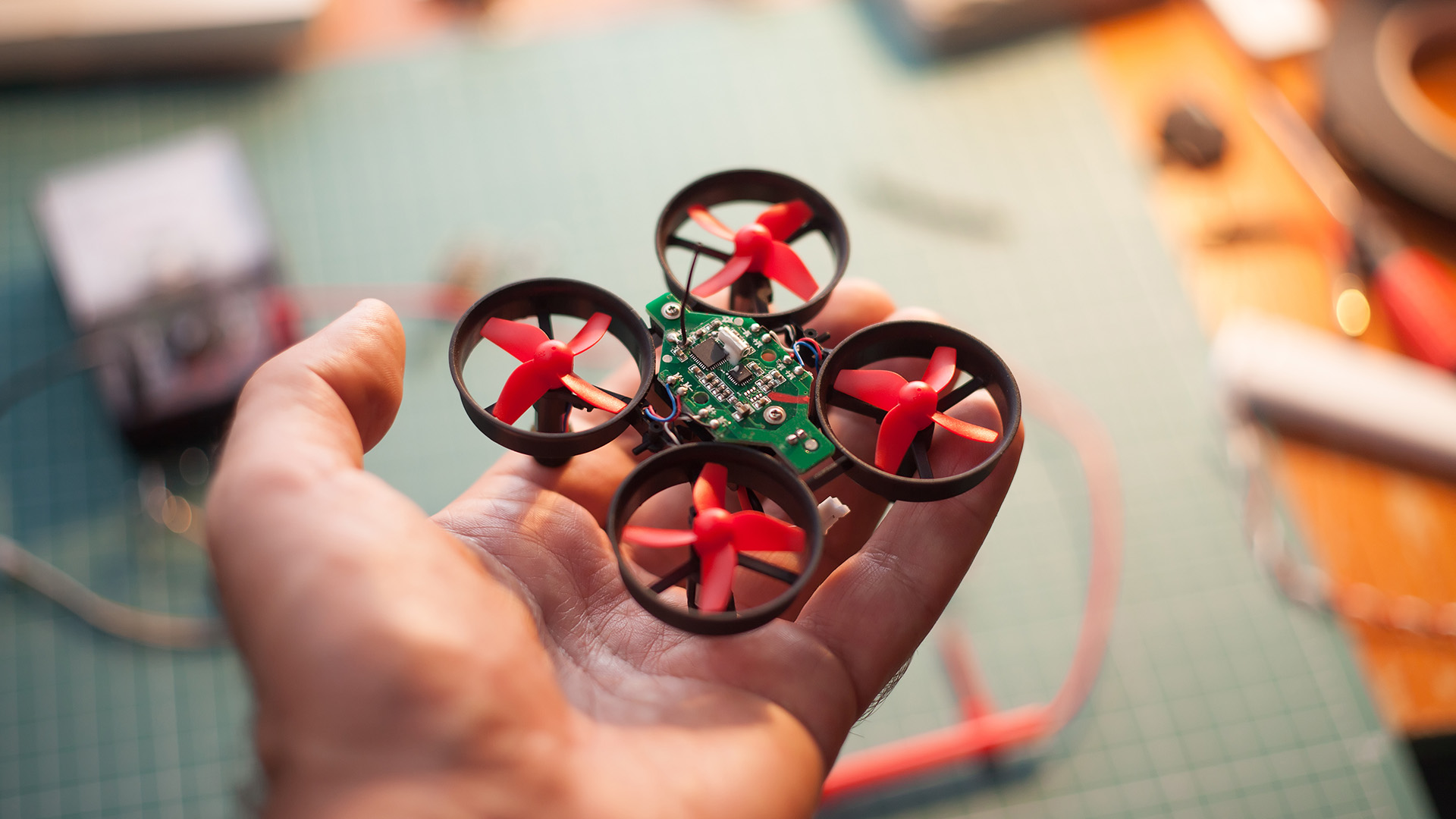
Researchers use their time on NCSA’s DeltaAI supercomputer to train AI agents more effectively by pitting them against each other in flying competitions.
Poster presentations, crafts and hands-on discovery were all part of NCSA’s participation in this year’s Engineering Open House.