Using NCSA’s Delta supercomputer, researchers built a model that is five times faster at simulating a deadly, unpredictable stage of tropical cyclones.
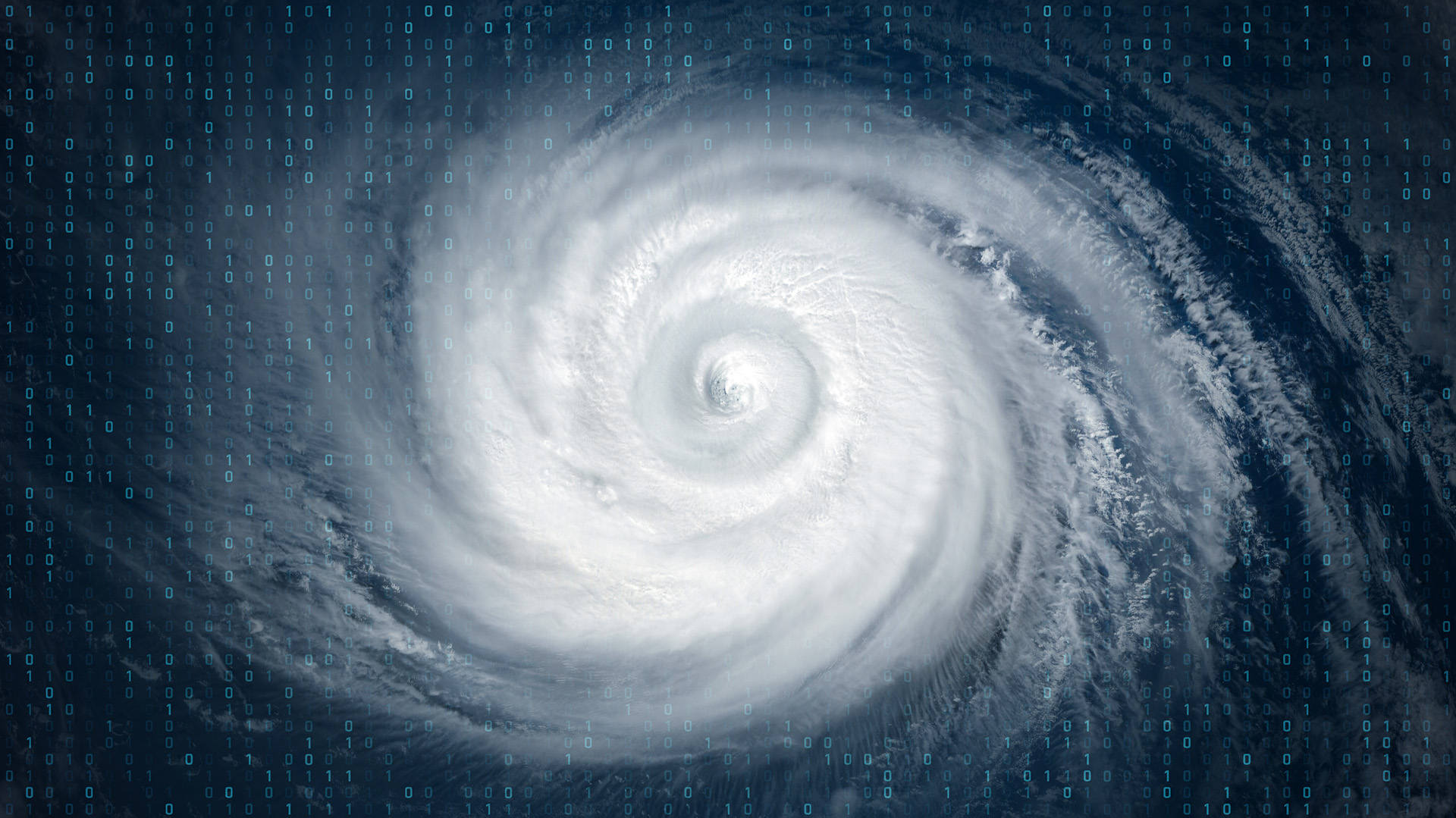
Using NCSA’s Delta supercomputer, researchers built a model that is five times faster at simulating a deadly, unpredictable stage of tropical cyclones.
Researchers at NCSA and the University of Illinois use a novel method to better understand and diagnose cancerous tumor heterogeneity.
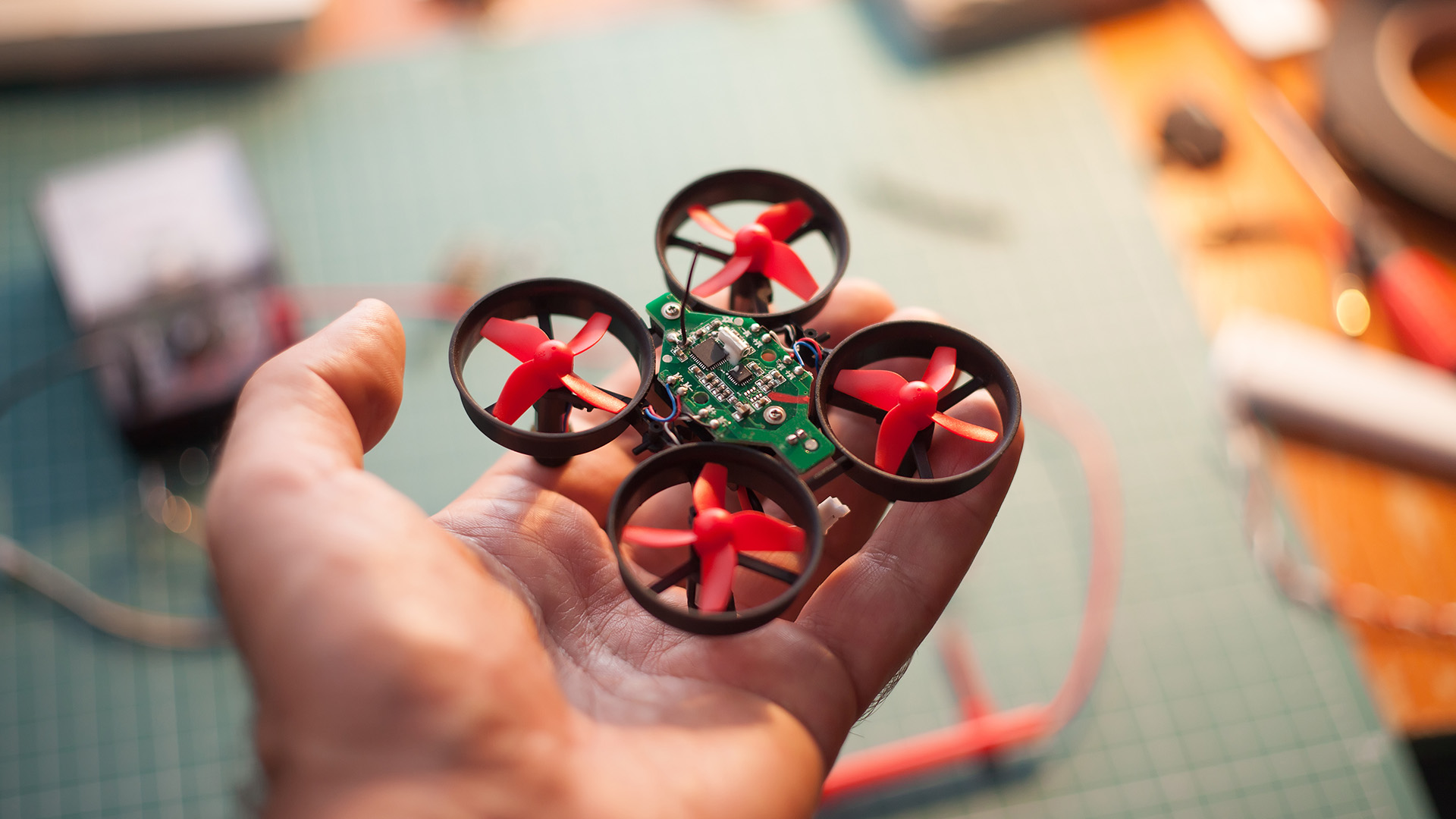
Researchers use their time on NCSA’s DeltaAI supercomputer to train AI agents more effectively by pitting them against each other in flying competitions.

A collaboration of researchers from around the country used NCSA’s DeltaAI to help develop a dataset that will improve prostate cancer detection.

Researchers gained new insights into the essential processes of life by simulating the full cycle of a bacterial cell on NCSA’s Delta supercomputer.

Illinois researchers run simulations on NCSA’s Delta supercomputer that explore why the Milky Way’s black hole is “quieter” than simulations normally indicate.
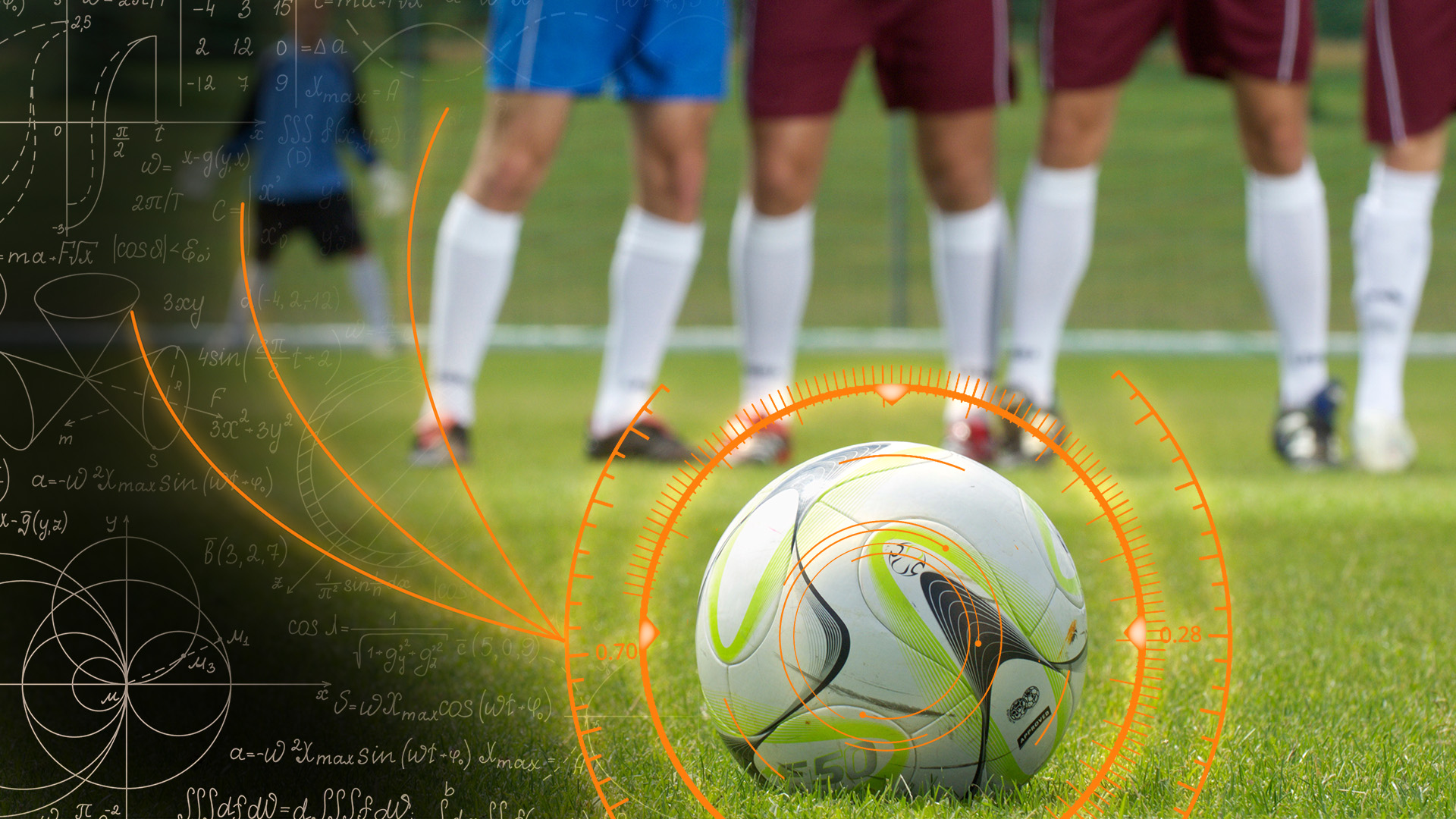
Researchers at the University of Illinois utilized NCSA resources to model and understand soccer ball flight, as well as how the perfect arc can lead to a goal.

NCSA was recognized by the HPCwire community for its outstanding work in artificial intelligence and high-performance computing.

Using a new algorithm and NCSA’s DeltaAI, a team of researchers reduced the energy cost of simulations by over 500% to help design safer and more efficient spacecraft.
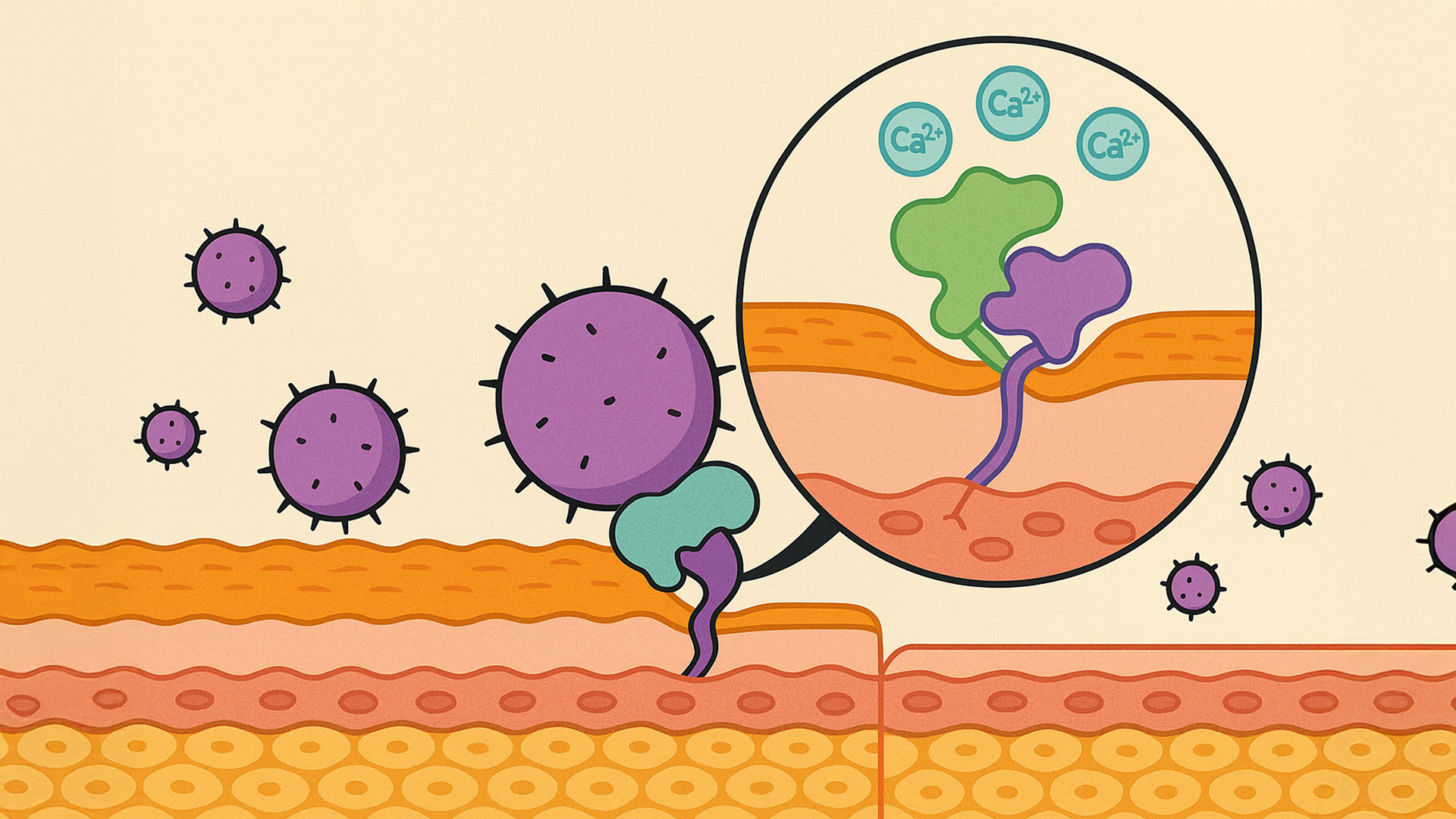
Computers sometimes have their own bugs to deal with, but the GPU-based Delta system at the National Center for Supercomputing Applications chipped in to help researchers learn more about what makes staph infections so resilient and challenging to treat. Auburn University biophysicists relied on the Delta supercomputer at NCSA to uncover new details on the […]