The Vera C. Rubin Observatory’s Legacy Survey of Space and Time officially kicked off today.
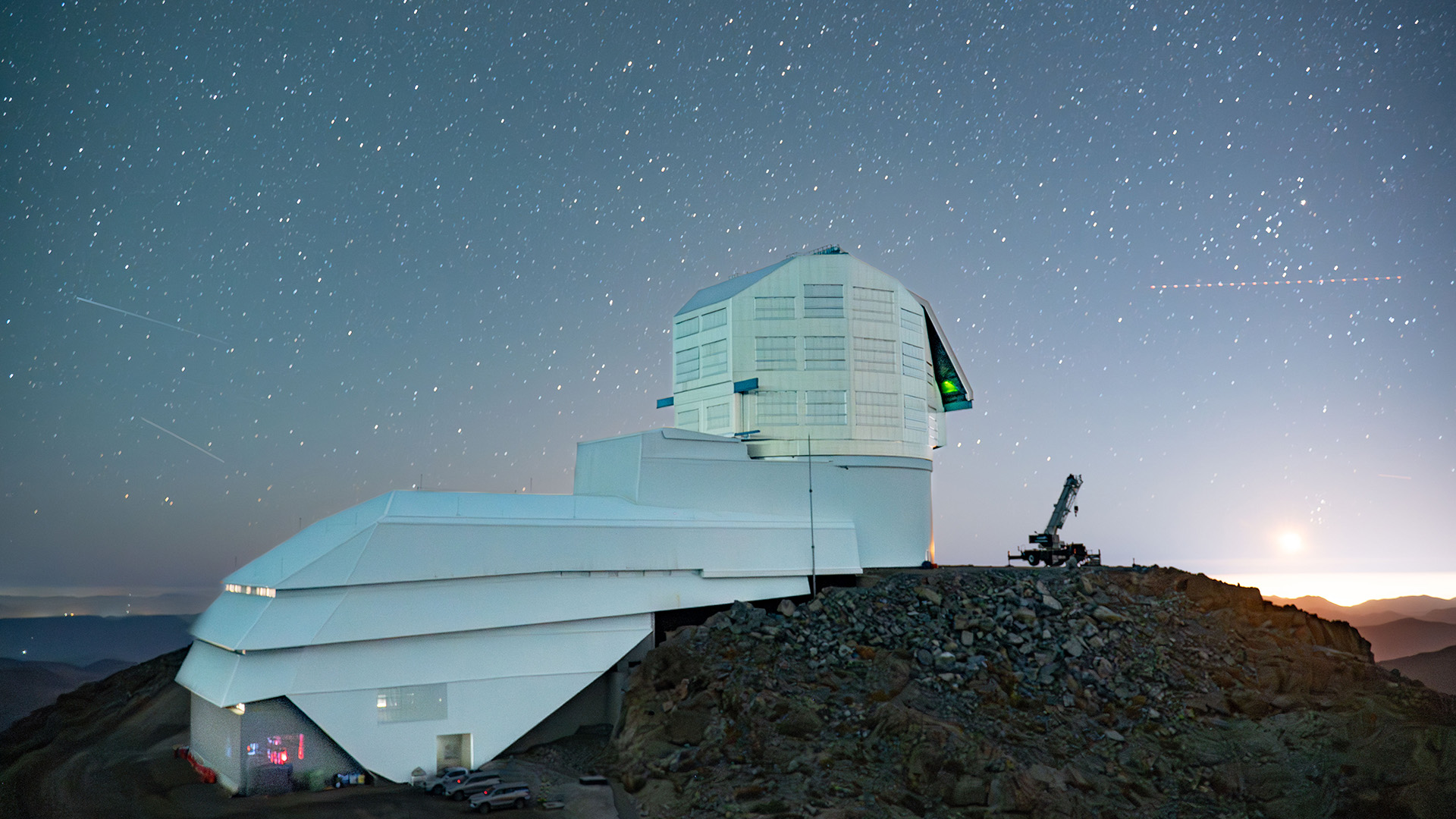
The Vera C. Rubin Observatory’s Legacy Survey of Space and Time officially kicked off today.
Researchers at NCSA and the University of Illinois use a novel method to better understand and diagnose cancerous tumor heterogeneity.
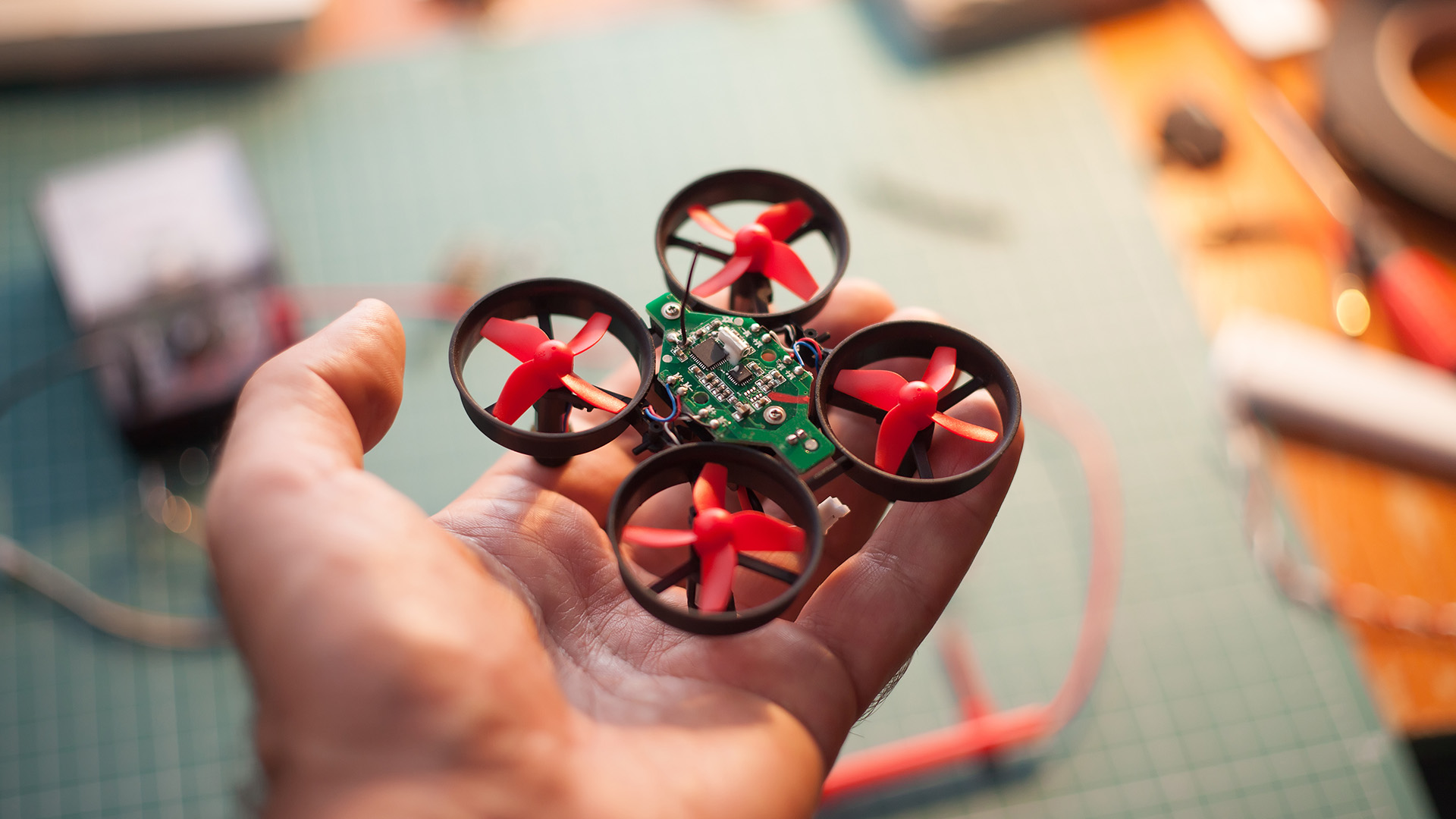
Researchers use their time on NCSA’s DeltaAI supercomputer to train AI agents more effectively by pitting them against each other in flying competitions.
Researchers used NCSA’s Delta and DeltaAI systems to test RADAR, a new framework for studying the universe through gravitational waves and radio astronomy.

Researchers at the University of Illinois use NCSA’s Delta supercomputer to help prove that sometimes less data is better when training AI chatbots.

Illinois researchers run simulations on NCSA’s Delta supercomputer that explore why the Milky Way’s black hole is “quieter” than simulations normally indicate.
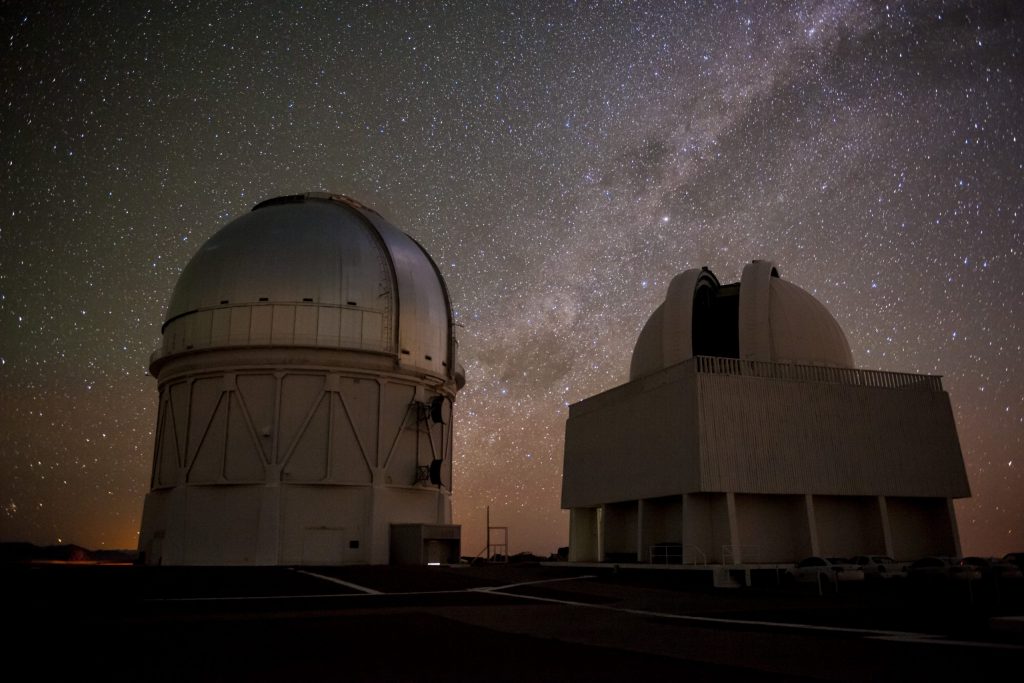
Data processed and served by NCSA enabled the Dark Energy Survey’s most detailed analysis of cosmic expansion.
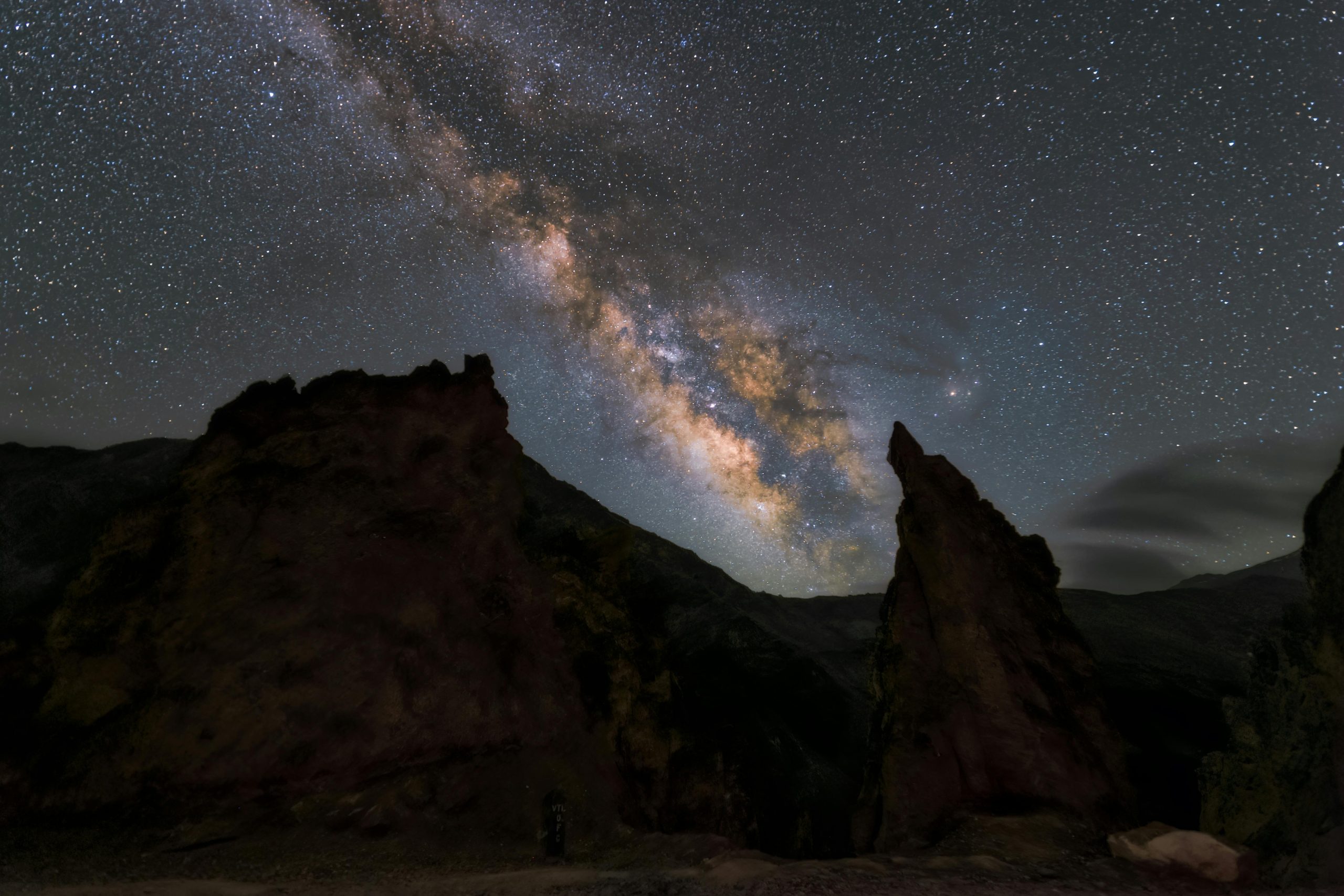
Researchers at the Center for AstroPhysical Surveys (CAPS) used the South Pole Telescope to peer deep into the center of the Milky Way and discovered powerful, surprising bursts of light from two accreting white dwarf systems, marking the first time such events have been captured in a blind millimeter-wavelength survey and opening a new window onto the dynamic environments at the center of the galaxy.

Researchers at the University of Illinois utilize NCSA resources to develop tools for monitoring anxiety in real time.

Using a new algorithm and NCSA’s DeltaAI, a team of researchers reduced the energy cost of simulations by over 500% to help design safer and more efficient spacecraft.