The Dark Energy Survey collaboration has created the largest ever maps of the distribution and shapes of galaxies, tracing both ordinary and dark matter in the universe out to a distance of more than 7 billion light years.
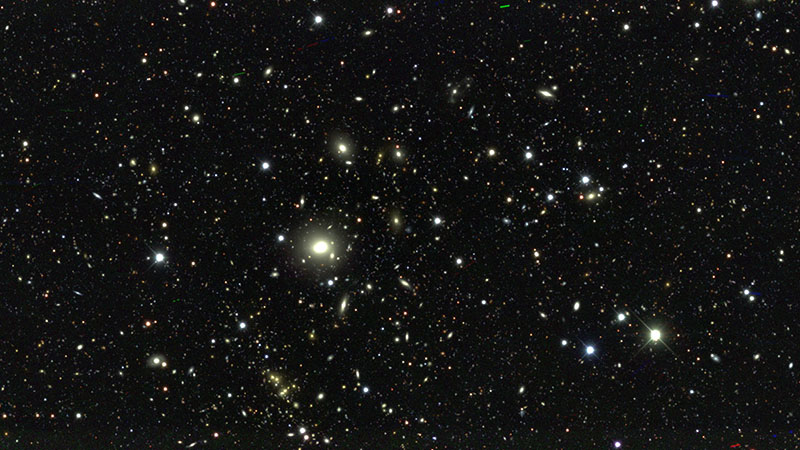
The Dark Energy Survey collaboration has created the largest ever maps of the distribution and shapes of galaxies, tracing both ordinary and dark matter in the universe out to a distance of more than 7 billion light years.
University of Illinois professor awarded a $200,000 RAPID grant to design a 3D-printable medical mask inspired by the nasal structures of animals.
Seven NCSA Gravity Group interns share bright post-graduation plans.
Ariana Barreau receives NCSA’s eDream Institute’s Fiddler Innovation Fellowship Award at the Illinois Innovation Prize virtual ceremony on April 15, 2021.
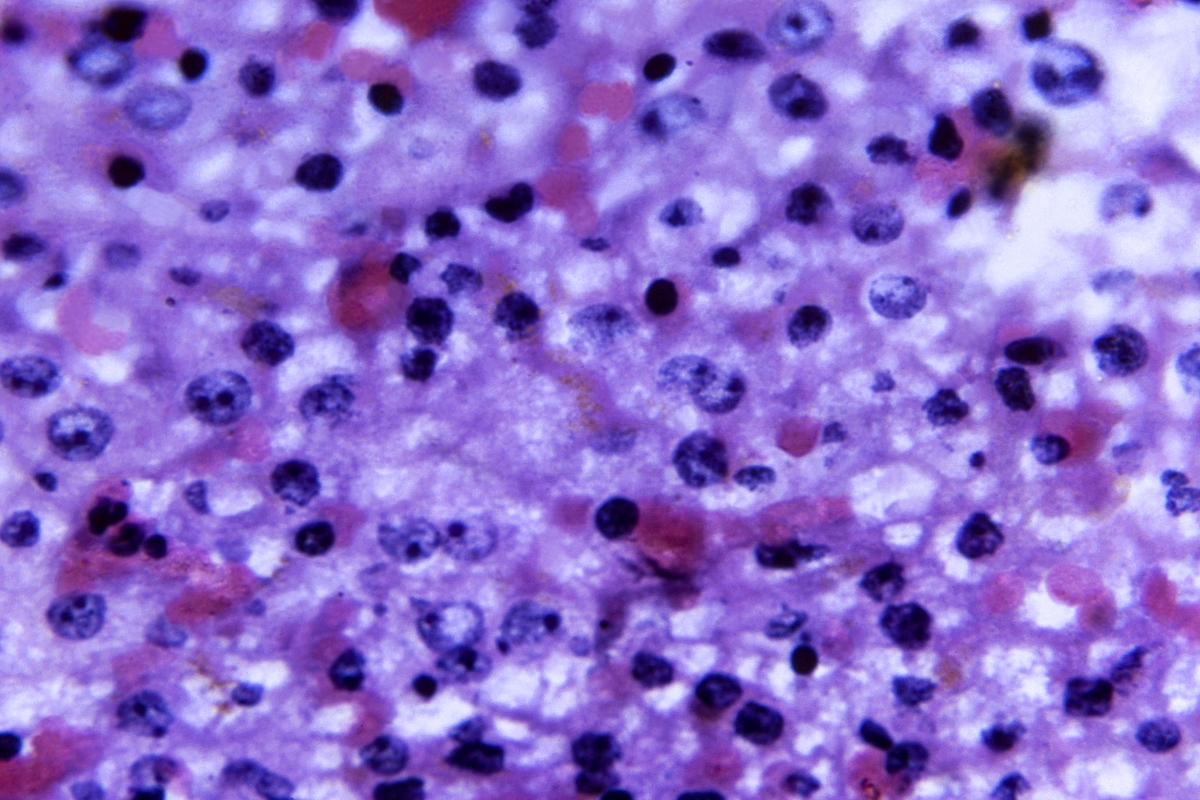
More rapid and accurate testing methods could lead to safer products on the market.
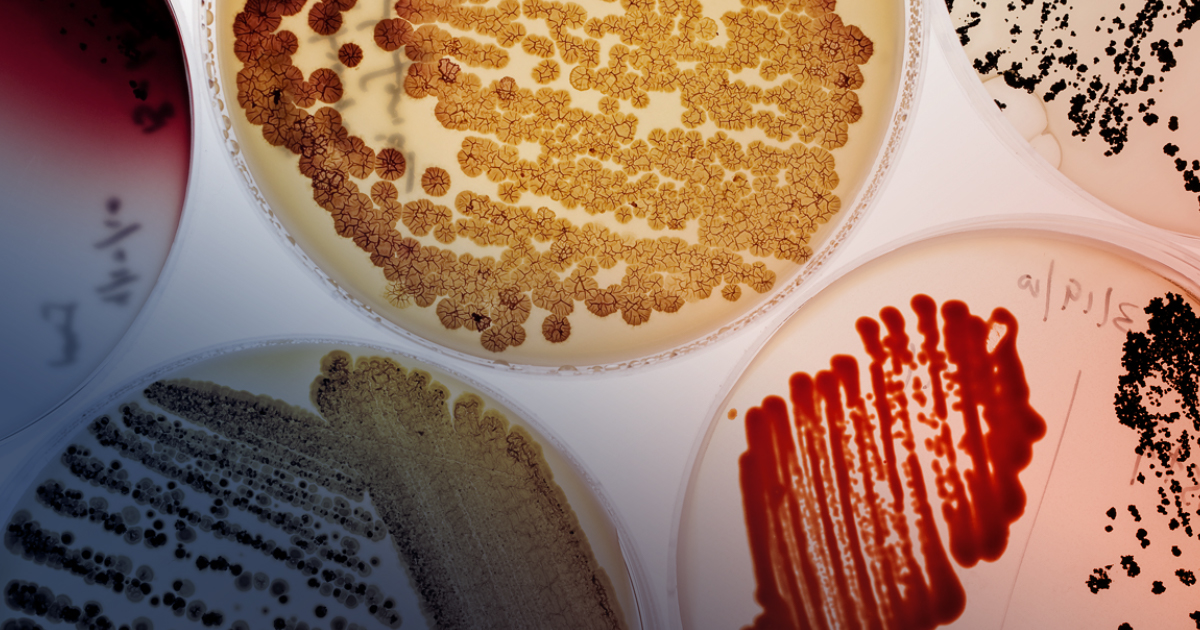
A research team led by NCSA Faculty Fellows were able to apply machine learning to human nutrition research.
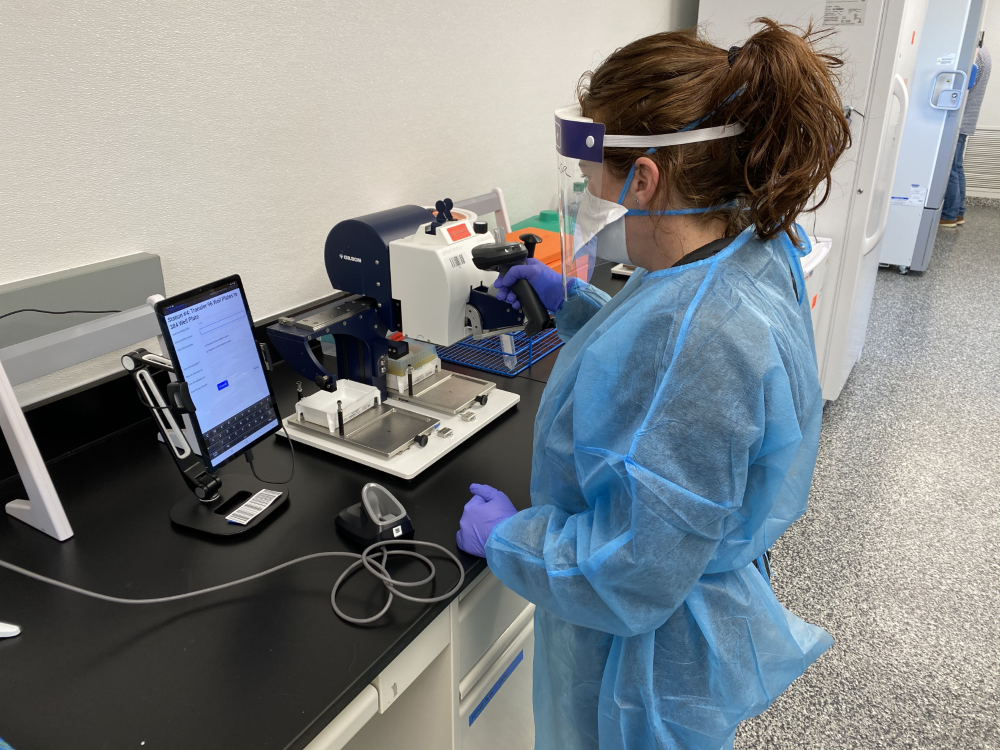
NCSA experts help to automate lab processes to make COVID-19 saliva testing more efficient and mobile
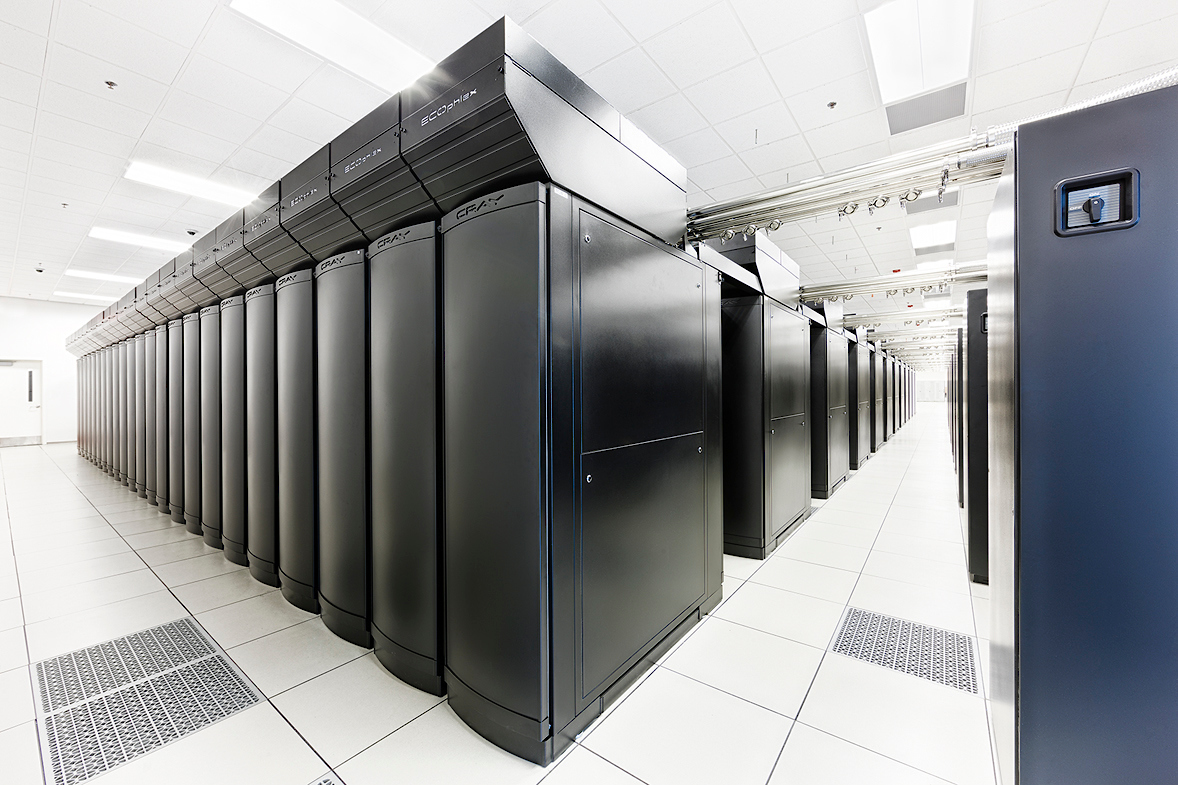
Machine learning lets researchers map 1.8 billion trees across an area of more than 500,000 square miles.
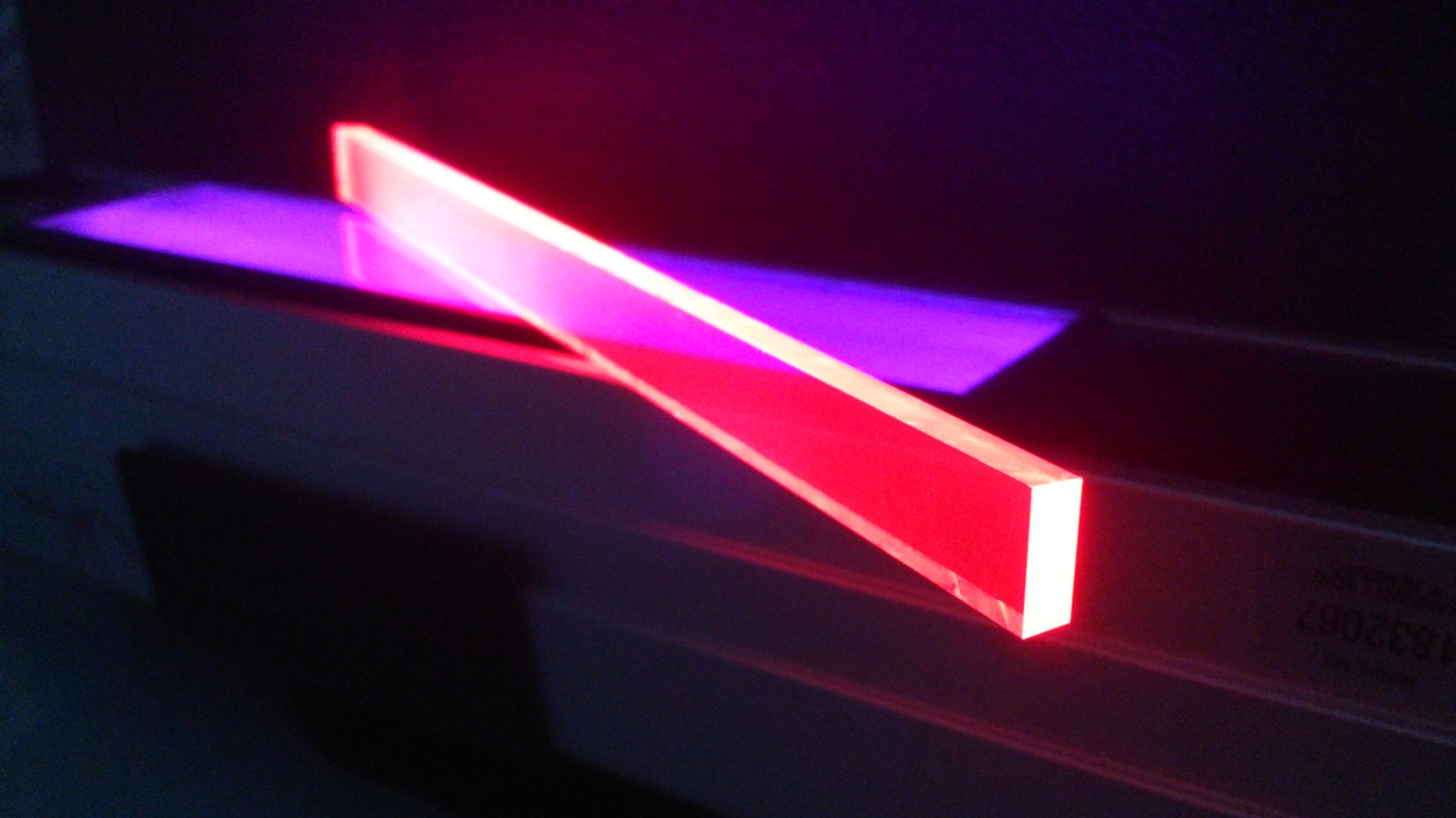
A diverse NCSA research team, which includes an Illinois MechSE undergraduate, uses AI and HPC to train a model capable of deploying metamaterial design with topology optimization on laptops that produce accurate and rapid results.
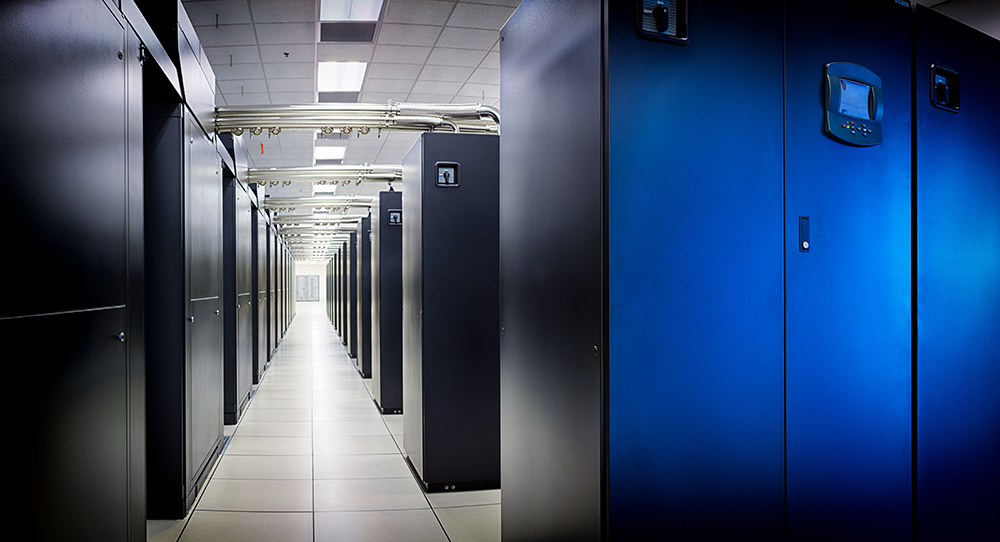
Dive into the groundbreaking research being done on Blue Waters, from astrophysics to biology.