A team from the National Center for Supercomputing Applications (NCSA) used artificial intelligence on XSEDE systems to obtain a correction factor for merger simulations.
A team from the National Center for Supercomputing Applications (NCSA) used artificial intelligence on XSEDE systems to obtain a correction factor for merger simulations.

A Cornell University researcher taps work he did using NCSA’s Blue Waters supercomputer to fix a problem that’s puzzled researchers for nearly 40 years.
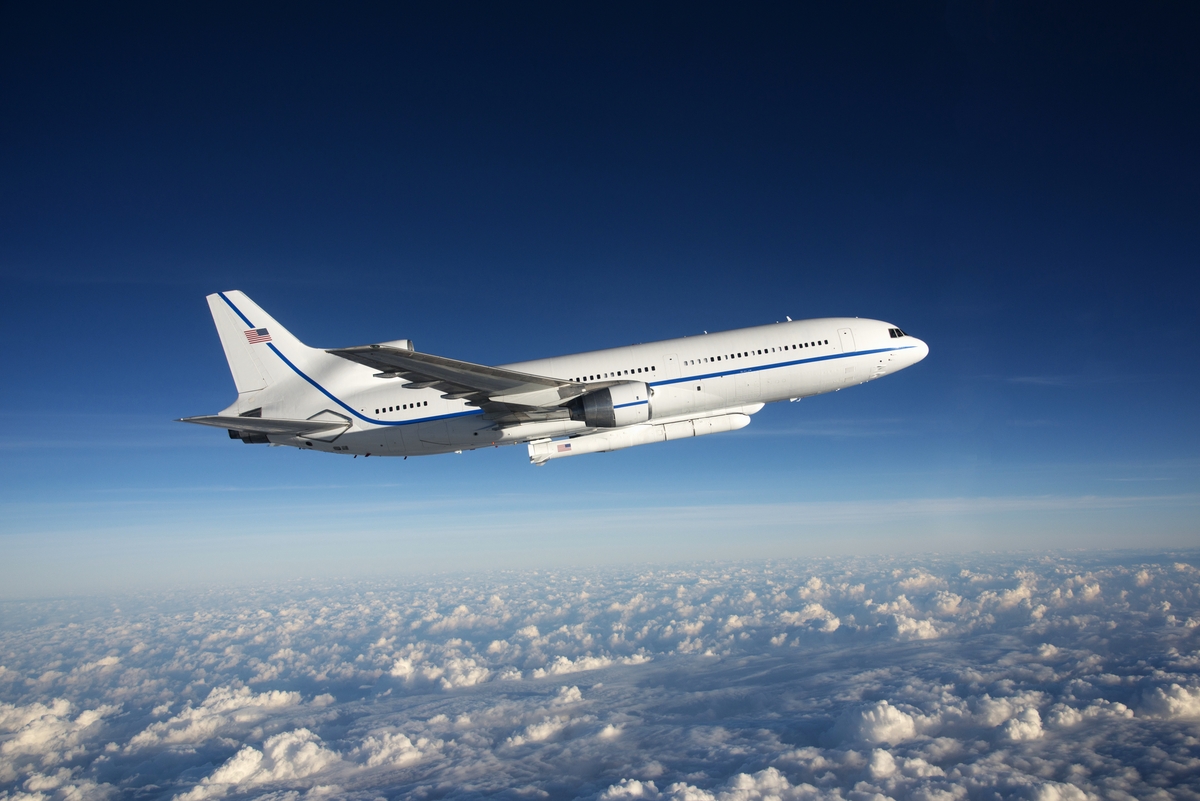
Katelyn Barbaraer, a former Blue Waters Graduate Fellow from the University of North Dakota, is using supercomputers to help the aviation industry better evaluate turbulence
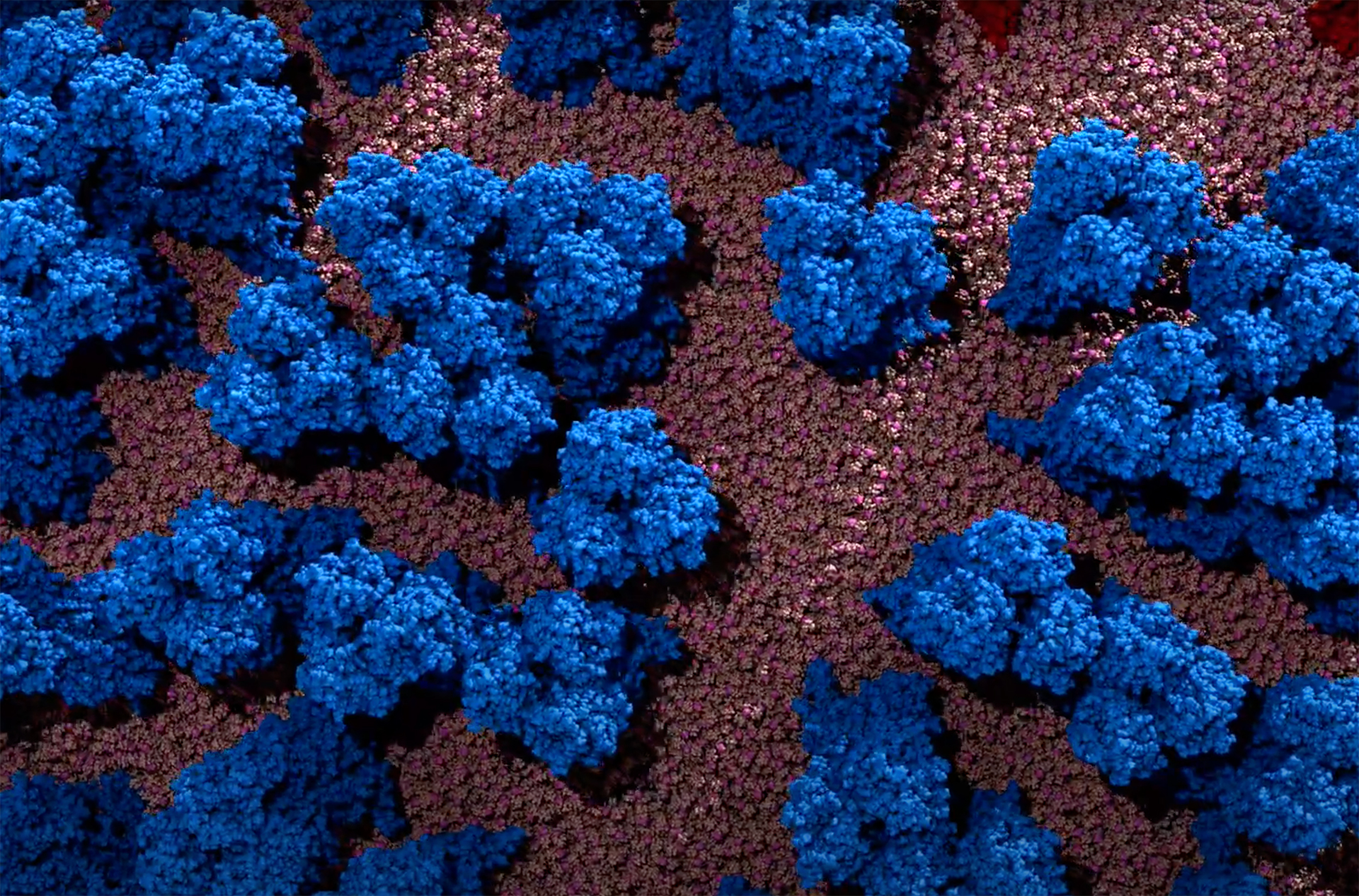
Rommie Amaro, a Blue Waters researcher from UC-San Diego, has used Blue Waters to simulate movement in the viral envelope of the flu virus.
NCSA leads paper in Nature Reviews Physics concerning Big Data and Multi-Messenger Astrophysics
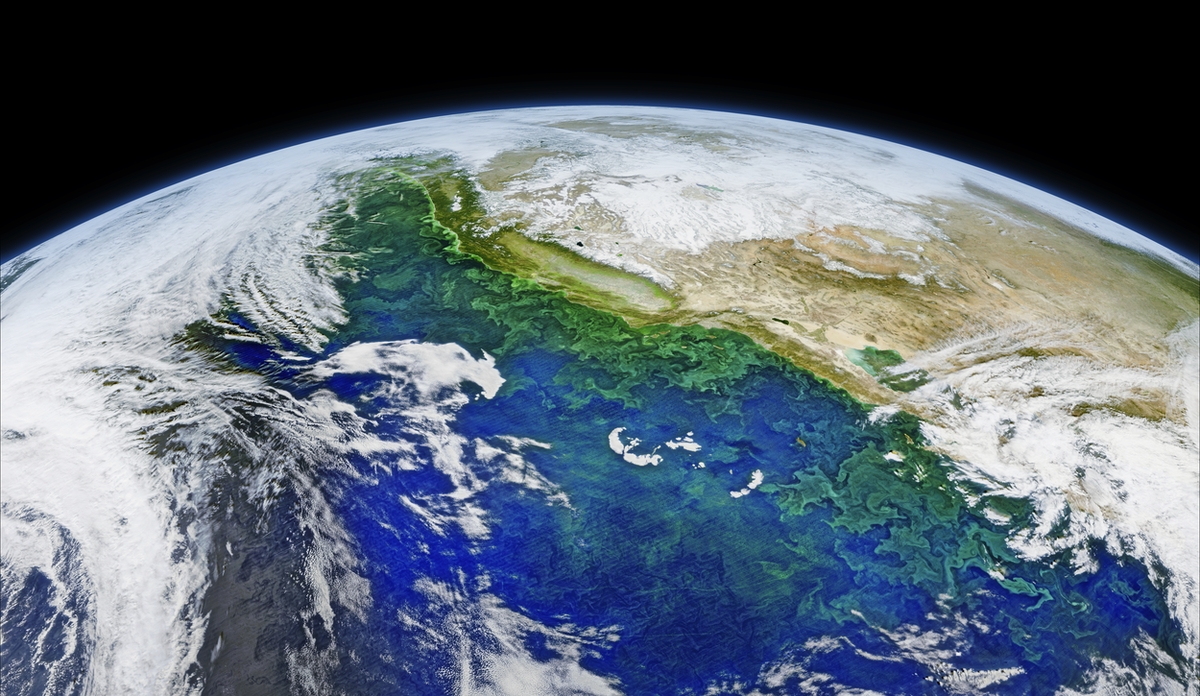
Dr. Weijia Kuang from NASA’s Goddard Space Flight Center is using Blue Waters to gain insights into the inner reaches of the Earth
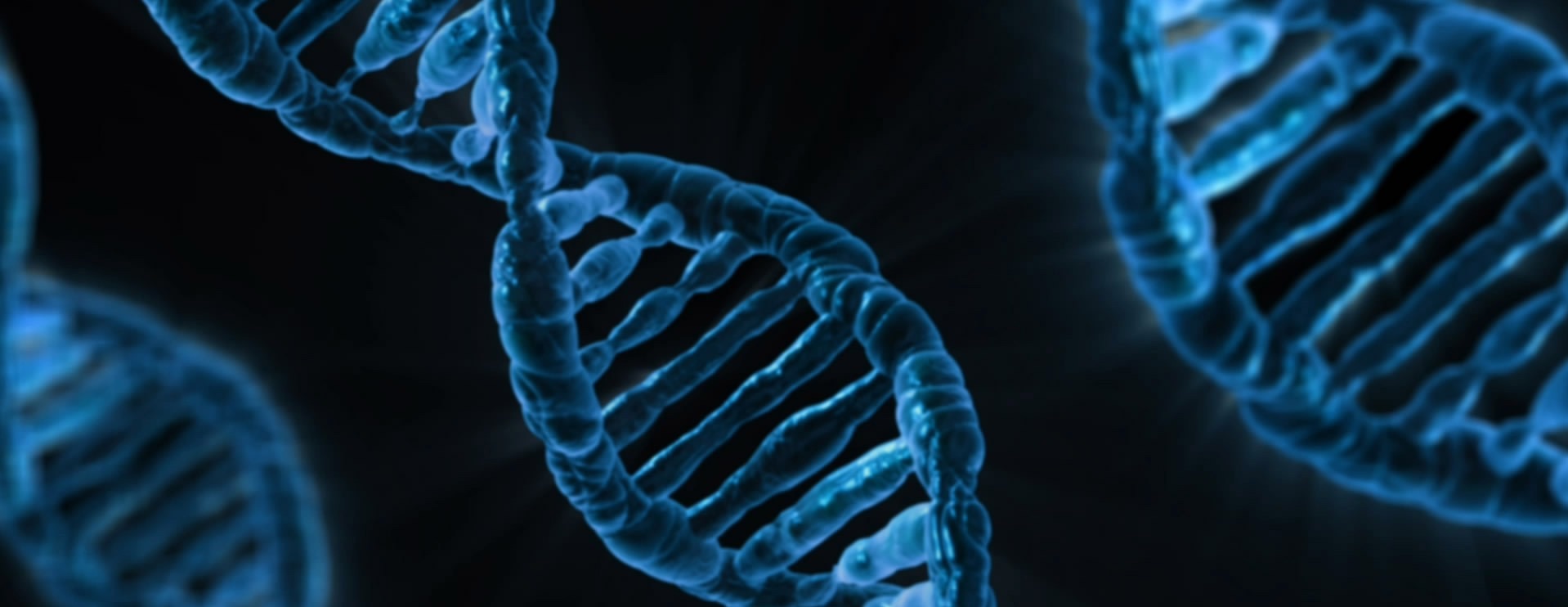
NCSA’s Genomics team partnered with the Mayo Clinic to speed up clinical testing as part of the Mayo Grand Challenge project
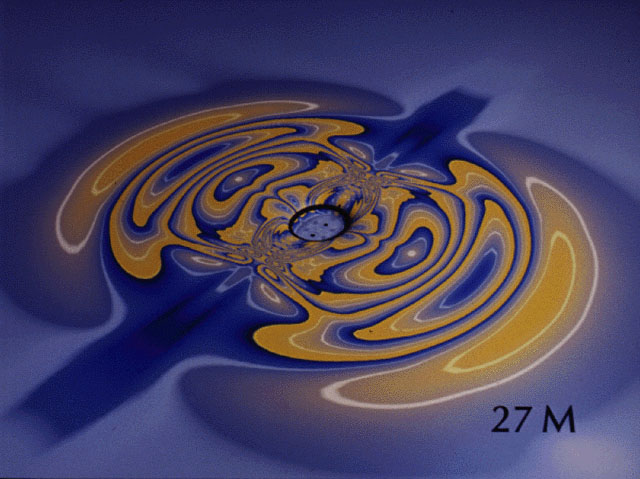
For the first time, scientists have observed ripples in the fabric of spacetime called gravitational waves, arriving at the earth from a cataclysmic event in the distant universe. This confirms a major prediction of Albert Einstein’s 1915 general theory of relativity.
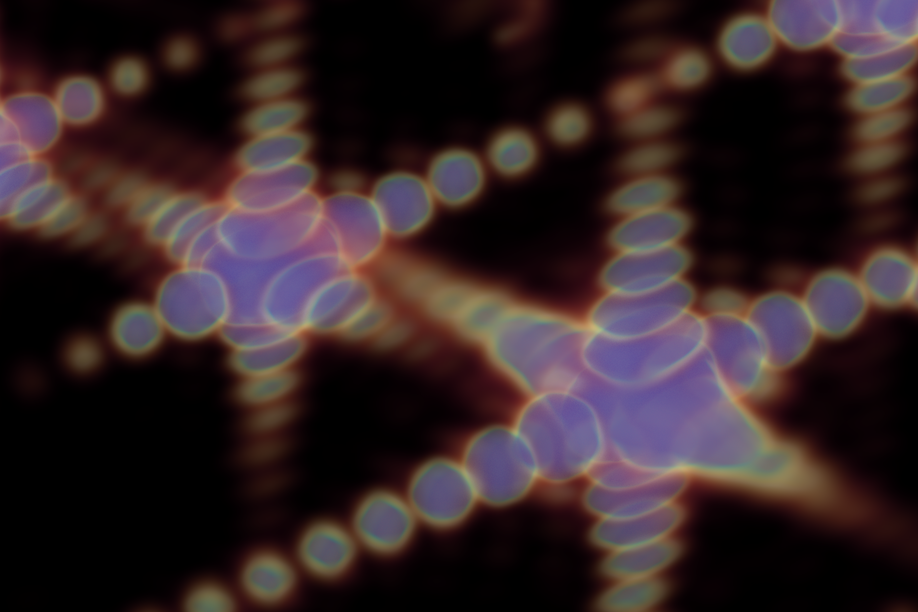
An algorithm developed by University of Arkansas engineers aids both computational scientists and experimentalists exploring the atomic scale structure of materials.
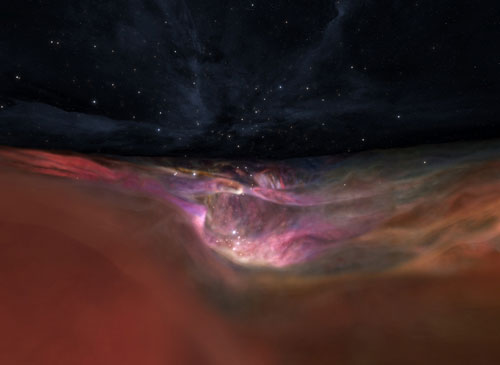
Narrated by Leonardo DiCaprio, this documentary film takes viewers through distant galaxies as it tells the story of the repair and upgrade of the Hubble telescope.