NCSA helps tap historic oceanographic data so scientists can learn more about the current state of oceans and how they might be affected by climate change.
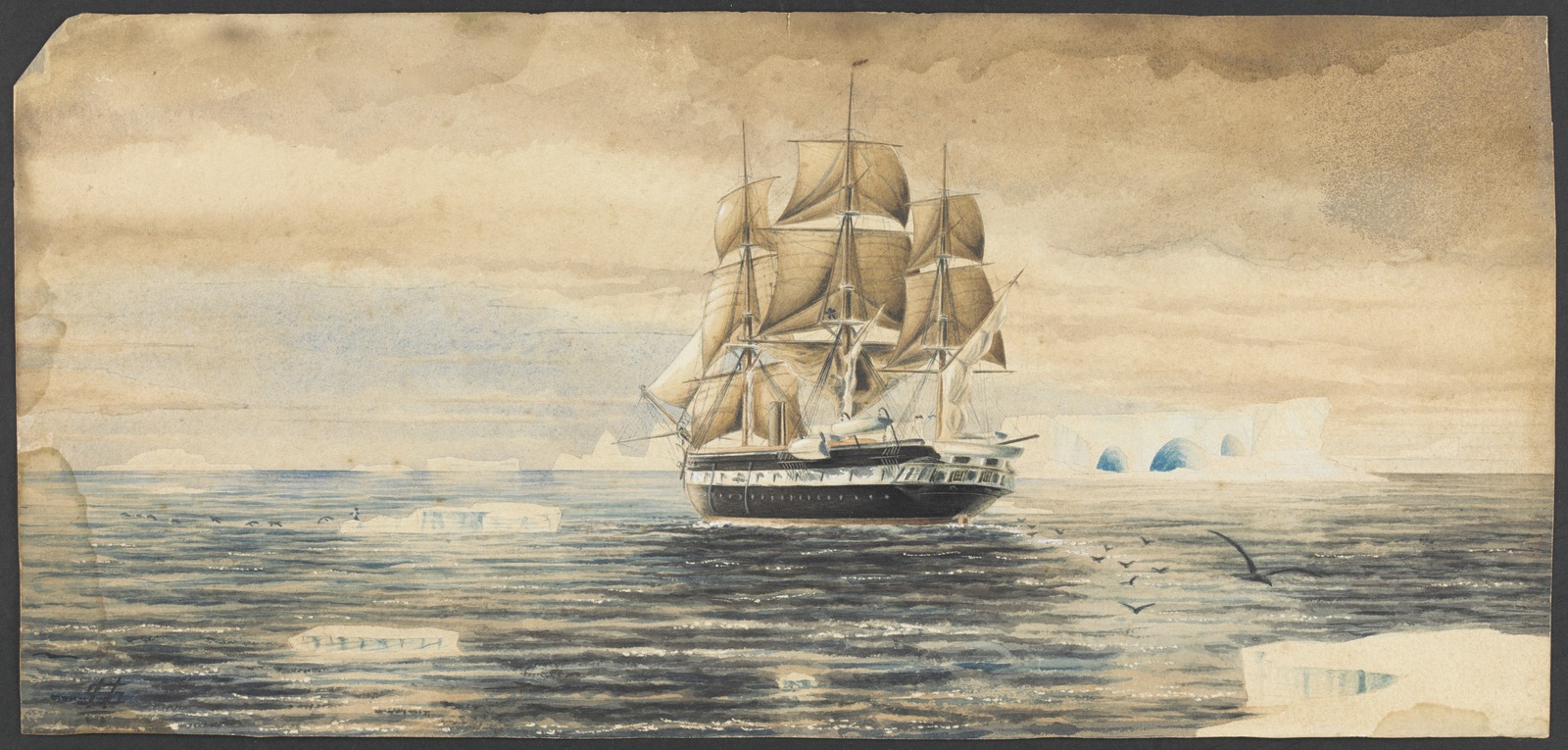
NCSA helps tap historic oceanographic data so scientists can learn more about the current state of oceans and how they might be affected by climate change.
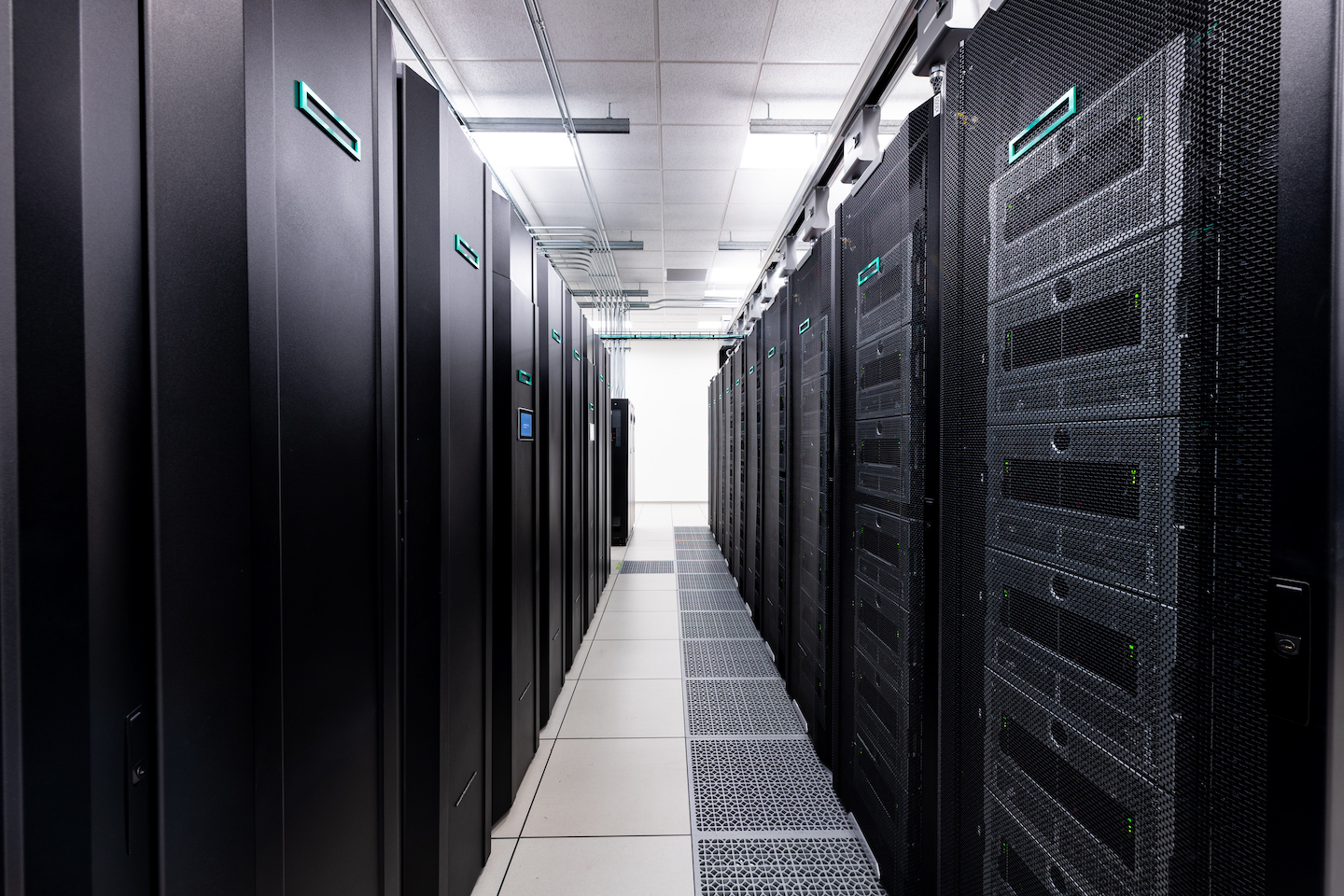
NCSA’s newest advanced computing resource is on the floor and will be launching soon. Researchers should start planning to utilize this new resource.

NCSA has processed and extracted more than 390 million astrophysical sources, most of them corresponding to galaxies.
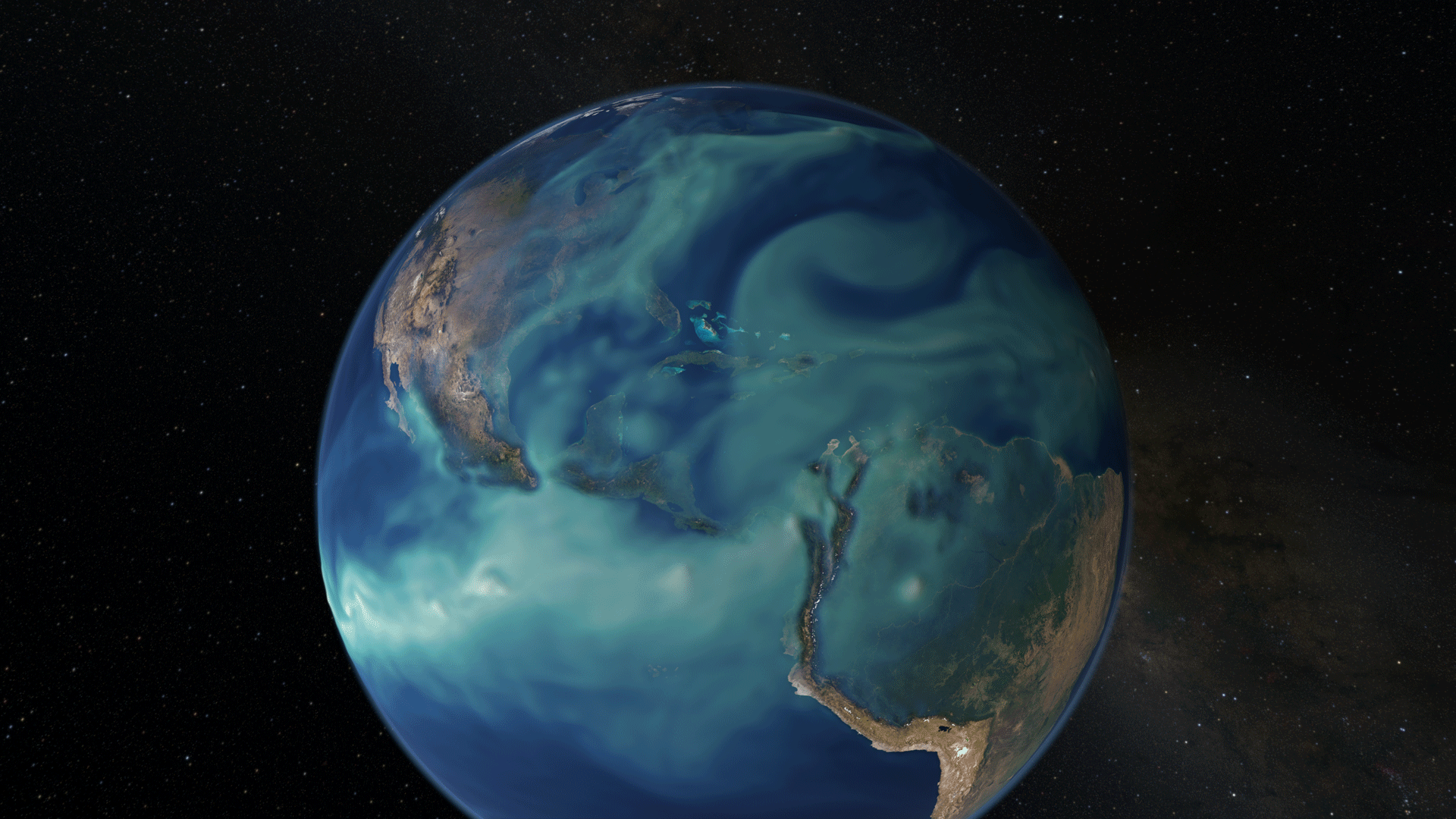
Using collaboration, satellite imagery, supercomputers, and advanced visualization, ACE sheds light on the effects of rising global temperatures to help guide and inform possible solutions.

Taiga system offers more affordable, seamless moving and storage.

A global leader in open-source software development, NCSA ramps up its software directorate to do even more.

NCSA’s Radiant system helps researchers manage data through the cloud, offering significant cost savings.

International and domestic students participated in various NCSA projects, working alongside experts and mentors to address real-world challenges using advanced digital resources.

This spring, NCSA’s SPIN program went completely virtual. Despite the circumstances, the program completed a successful virtual session and recognized notable projects, interns and mentors for the 2020-21 academic year.
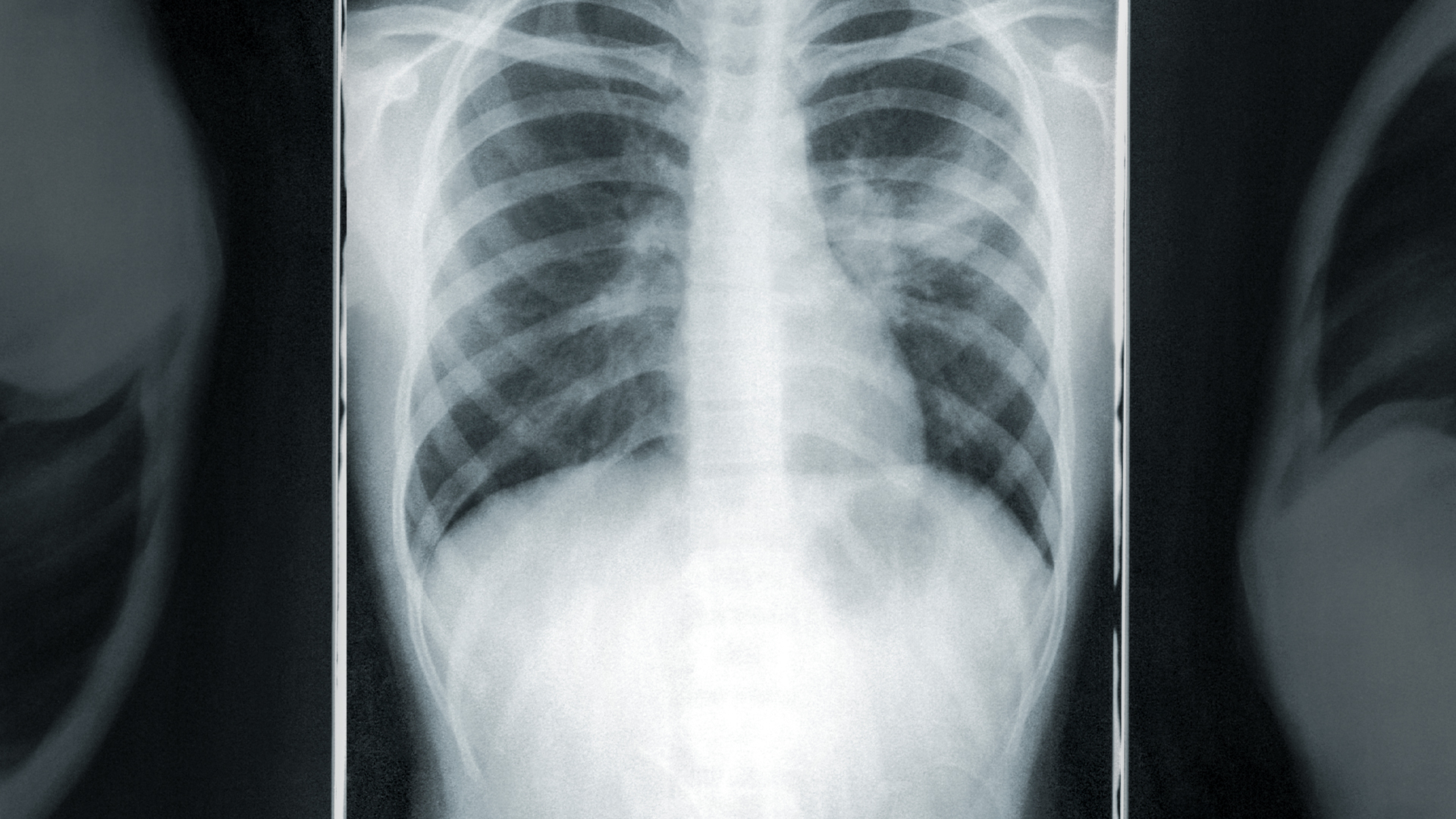
NCSA’s Center for Artificial Intelligence Innovation uses COVID-19 chest x-rays to explore best methods.