The international DES collaboration uses a massive, public collection of astronomical data and calibrated images compiled with the help of NCSA to make remarkable discoveries about our Universe.
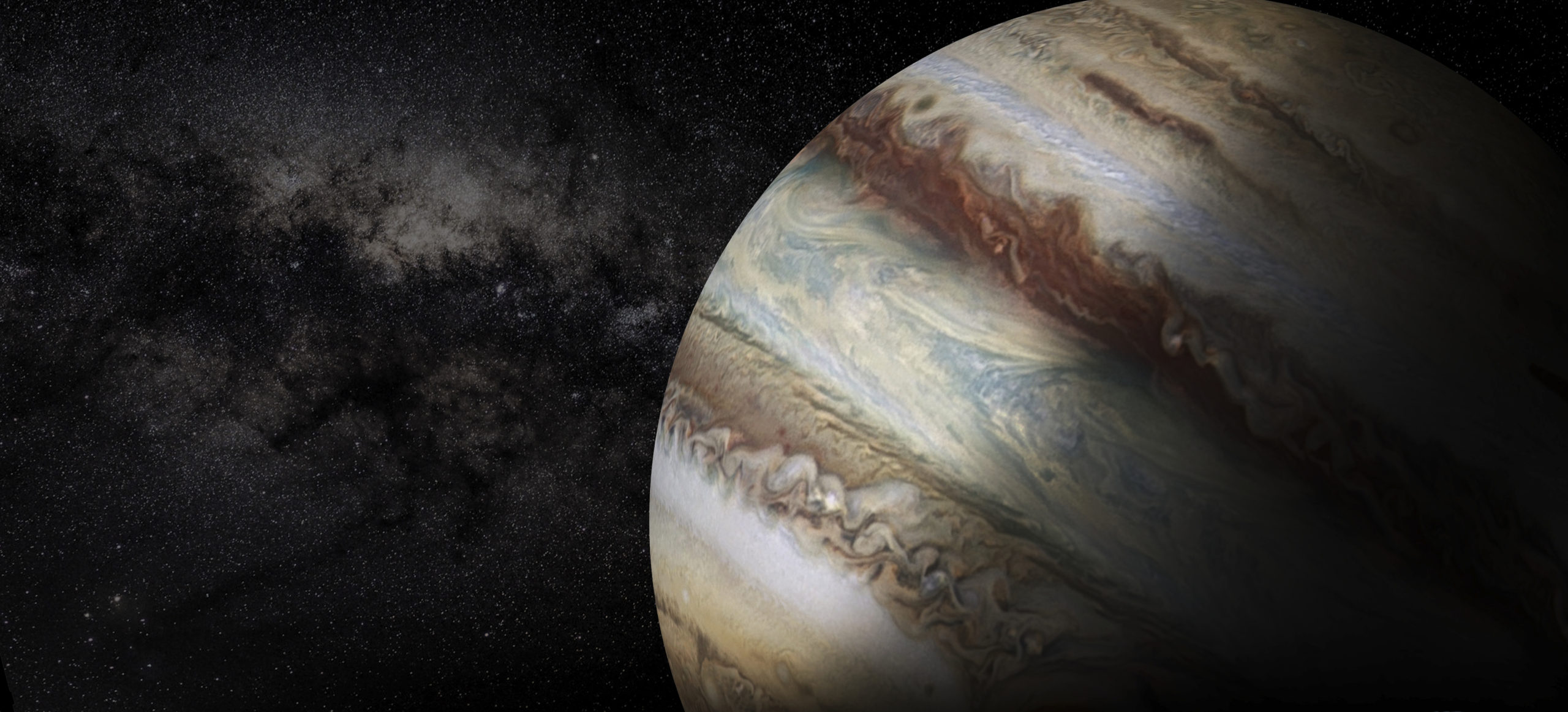
The international DES collaboration uses a massive, public collection of astronomical data and calibrated images compiled with the help of NCSA to make remarkable discoveries about our Universe.
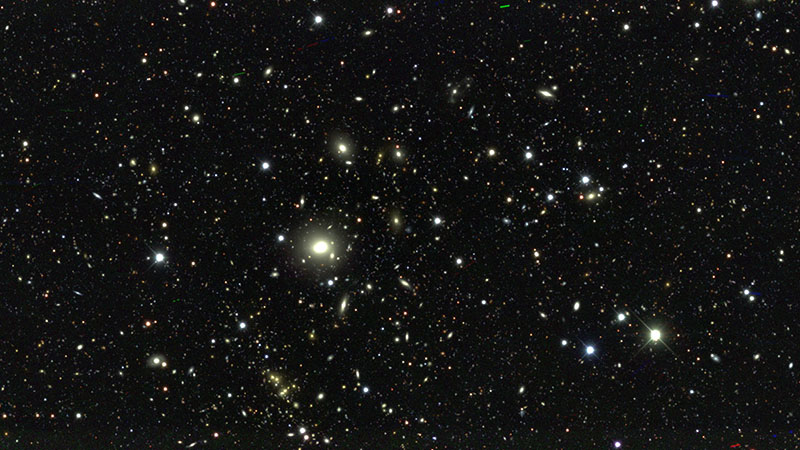
The Dark Energy Survey collaboration has created the largest ever maps of the distribution and shapes of galaxies, tracing both ordinary and dark matter in the universe out to a distance of more than 7 billion light years.
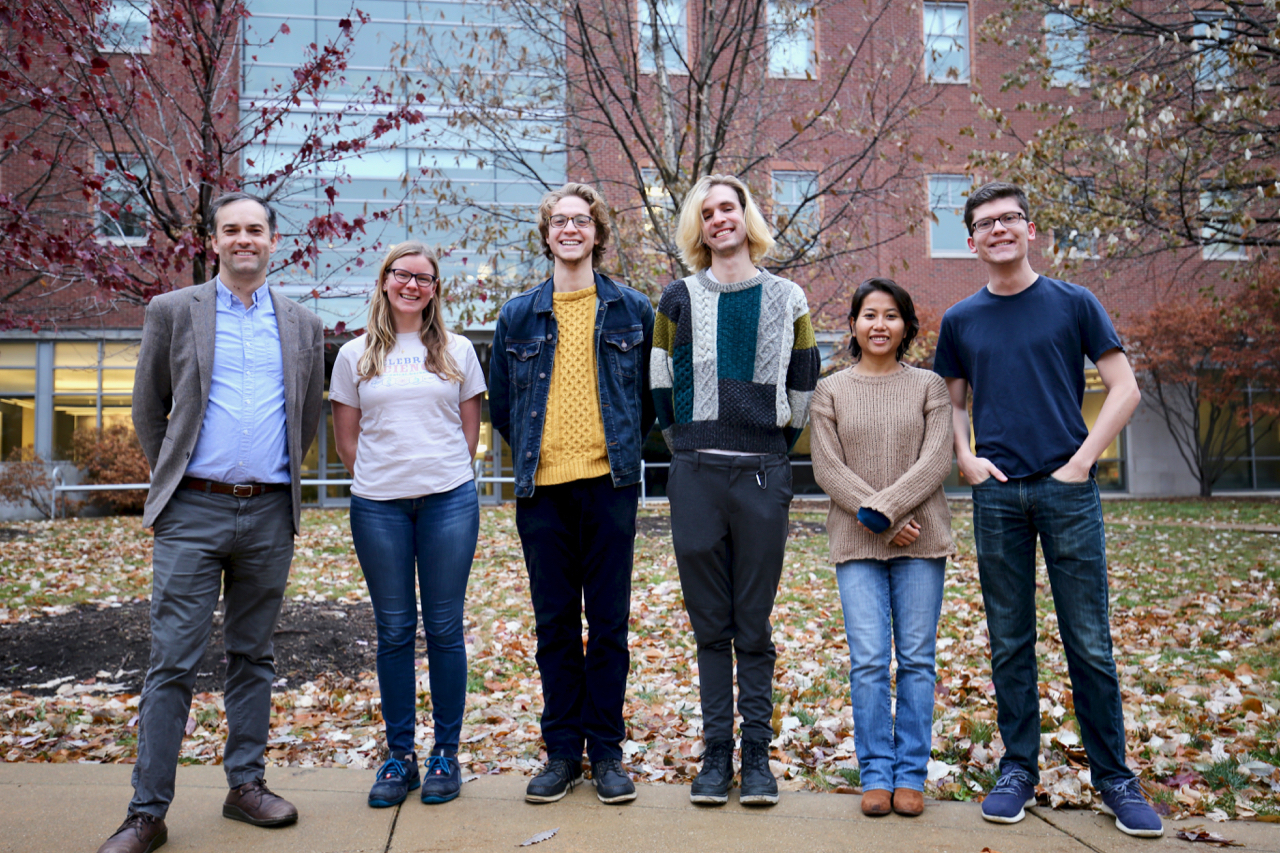
Seven NCSA Gravity Group interns share bright post-graduation plans.
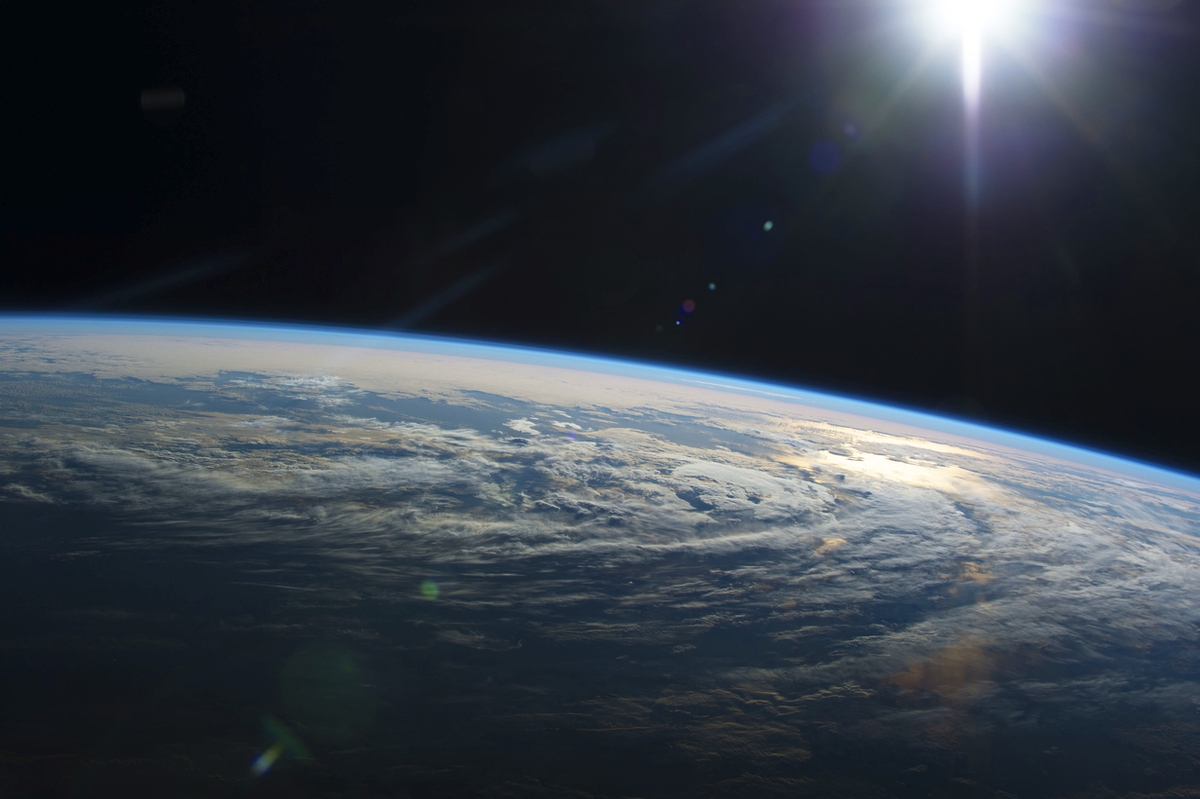
Geomagnetic field forecasting models run on NCSA’s Blue Waters supercomputer identify new variations in the South Atlantic Anomaly.
The international collaboration that includes NCSA, releases a massive, public collection of astronomical data and calibrated images from six years of surveys. This data release is one of the largest astronomical catalogs issued to date.
An NCSA-led team receives 145,000 node hours on Summit to create AI tools that enable data-driven discovery in multi-messenger astrophysics.
NCSA and Illinois’ new Center for AstroPhysical Surveys aims to advance survey science and increase our understanding of the Universe.
A team from the National Center for Supercomputing Applications (NCSA) used artificial intelligence on XSEDE systems to obtain a correction factor for merger simulations.
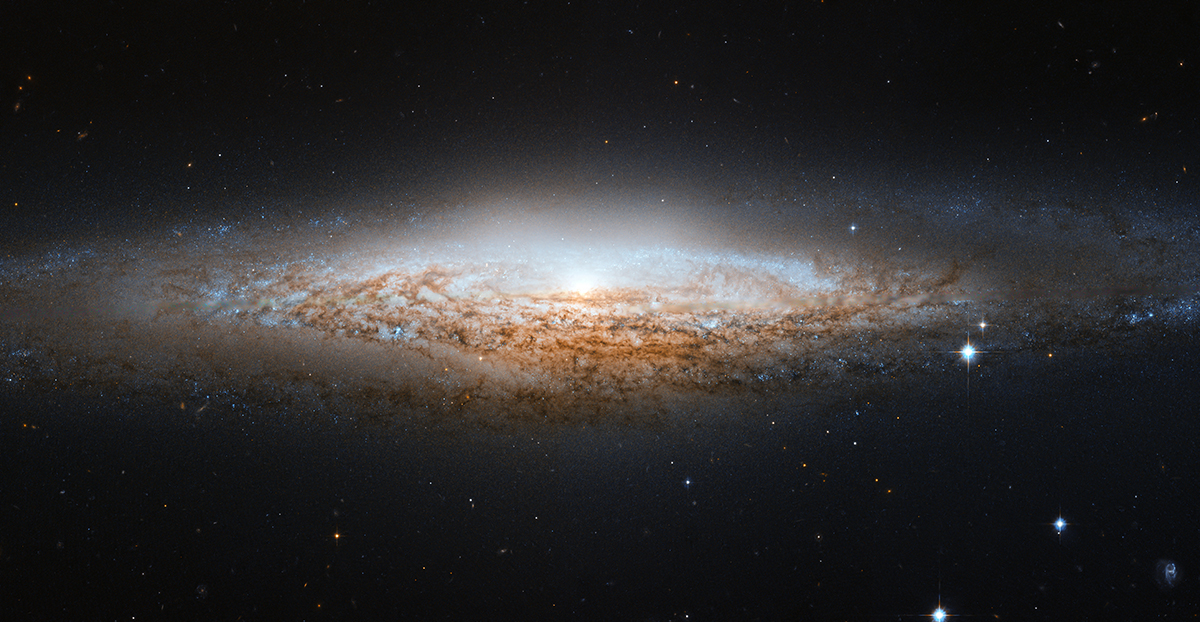
Four NCSA Gravity Group interns share bright plans for their futures post graduation.
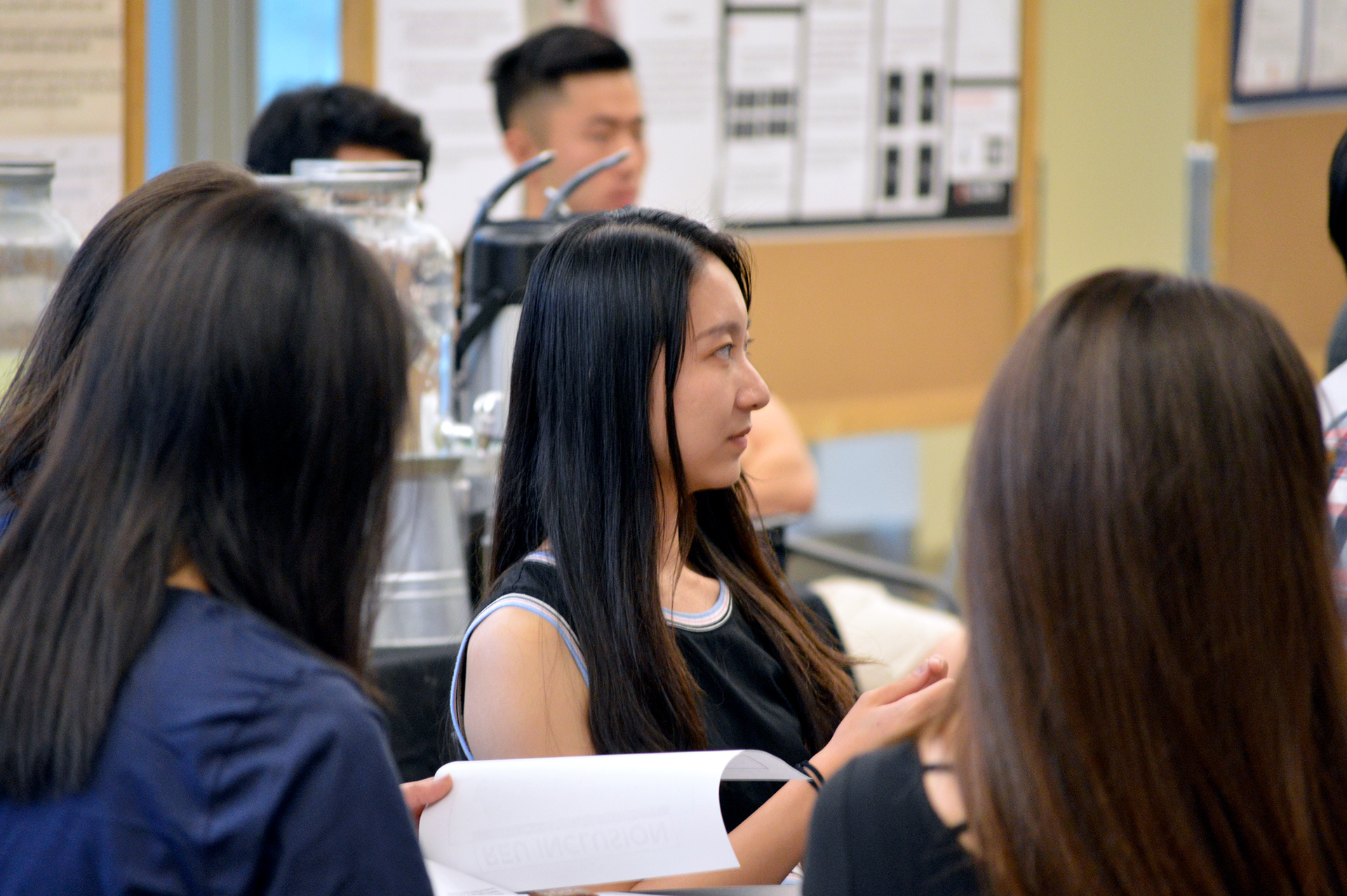
This program aims to create an inclusive and collaborative environment by pairing interns with field experts to enhance tech skills, and in turn, contribute to diversification of STEM fields.