NCSA shares virtual reality experiences with Pygmalion 2022 attendees.

NCSA shares virtual reality experiences with Pygmalion 2022 attendees.

NCSA’s SPIN program continues to attract and retain outstanding UIUC undergraduates
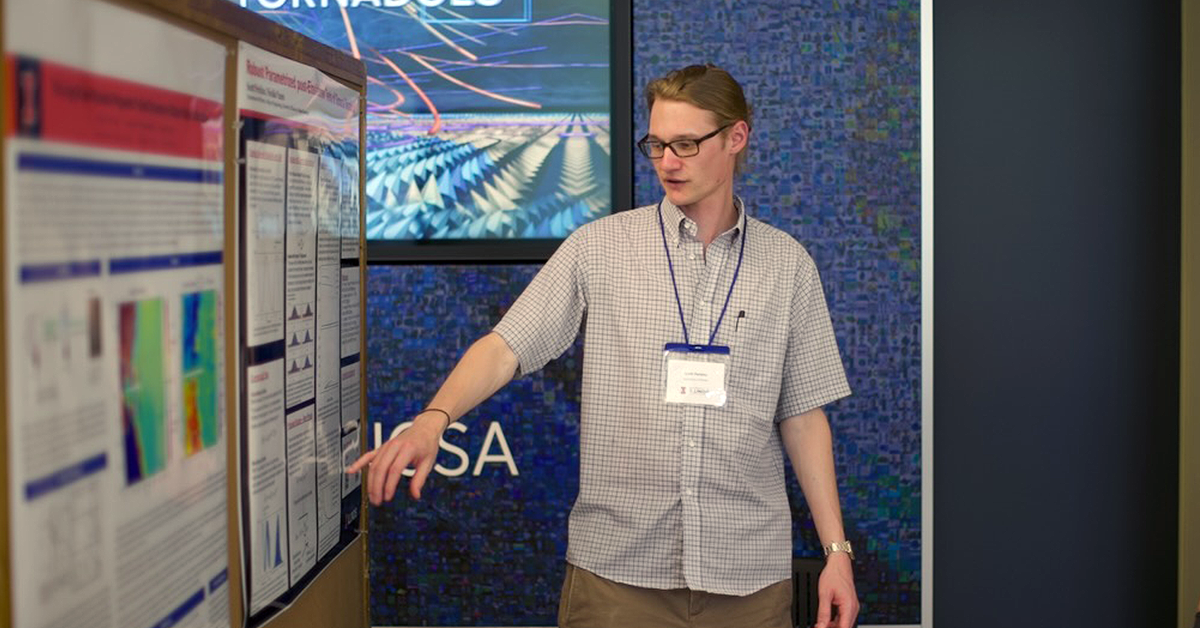
CAPS and ICASU fellow Scott Perkins explains his passion for astrophysics
Michelle Butler played critical roles in Mosaic and other NCSA milestones.
Witnessing the rise of supercomputing over the years, NCSA leaders share milestones and fond memories in this retrospective feature.
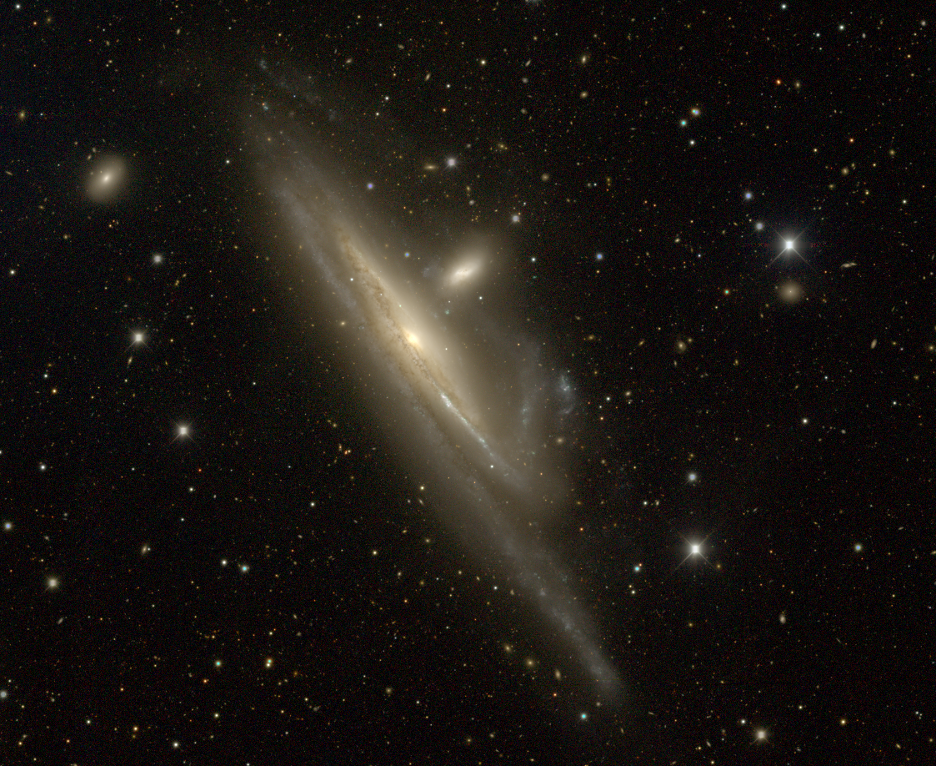
NCSA has processed and extracted more than 390 million astrophysical sources, most of them corresponding to galaxies.
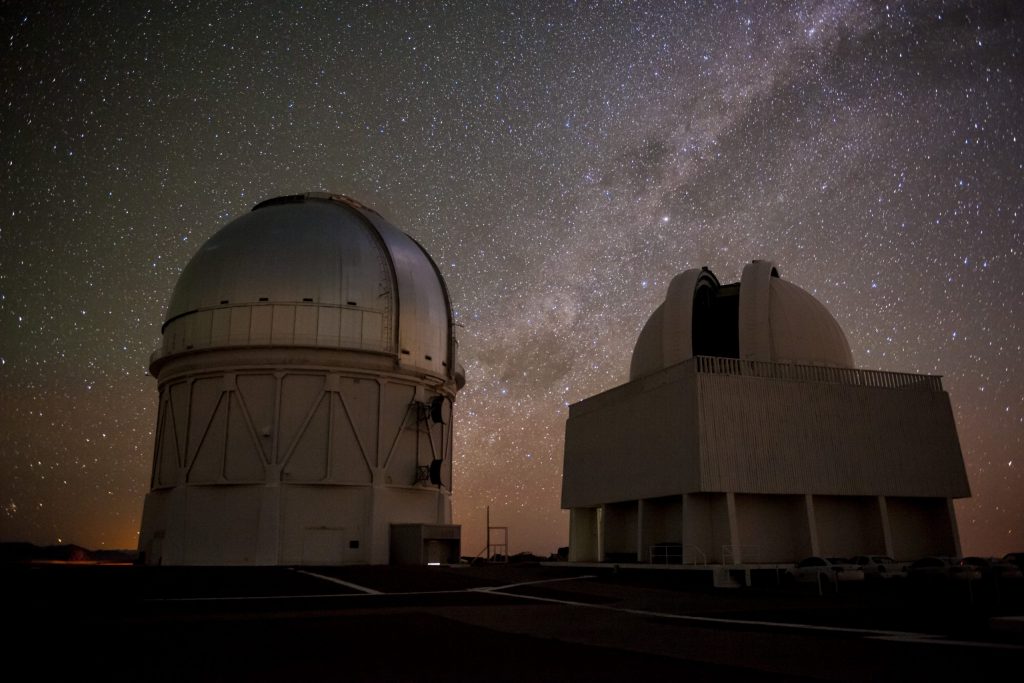
NCSA-supported research helps map the Eridanus supervoid near Earth. Verifying its existence could mean that the universe is expanding faster than expected.
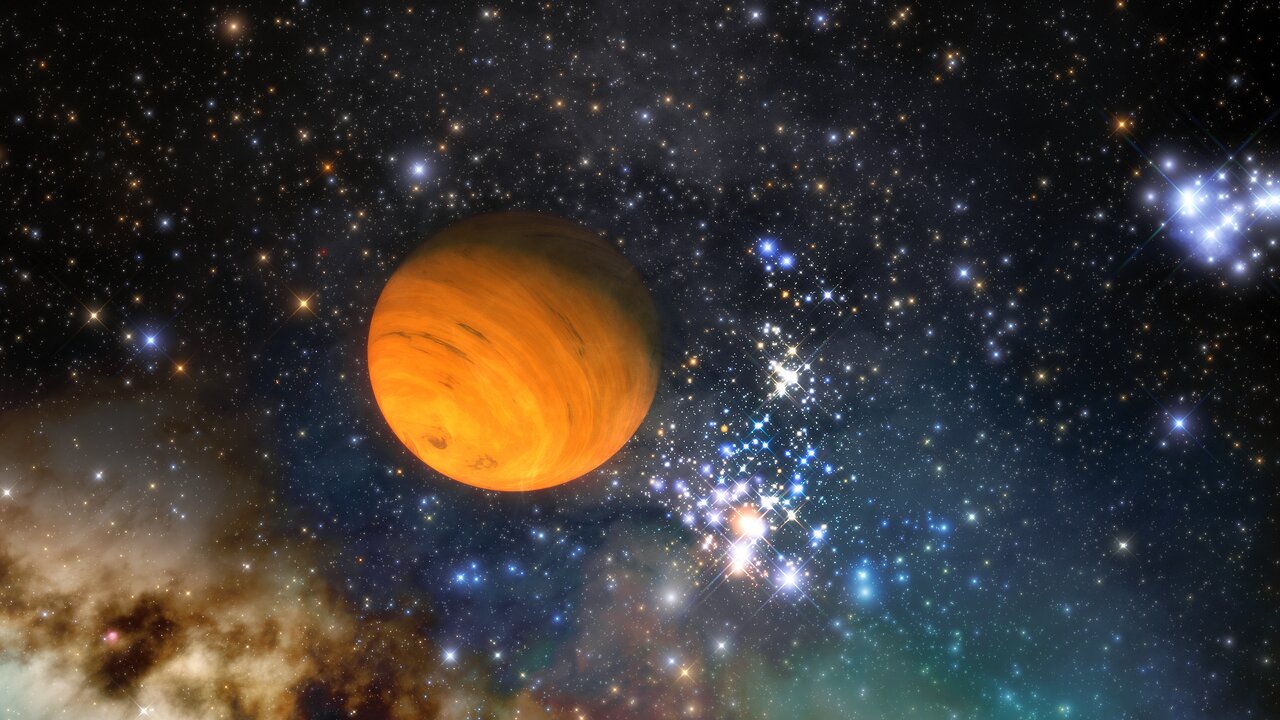
Through the Dark Energy Survey, astronomers discovered more than 70 Jupiter-sized exoplanets in the Milky Way.
NCSA’s eDream Institute awarded Illinois students and faculty for innovative multidisciplinary research projects in 2021. Fellows were honored in a virtual awards ceremony.
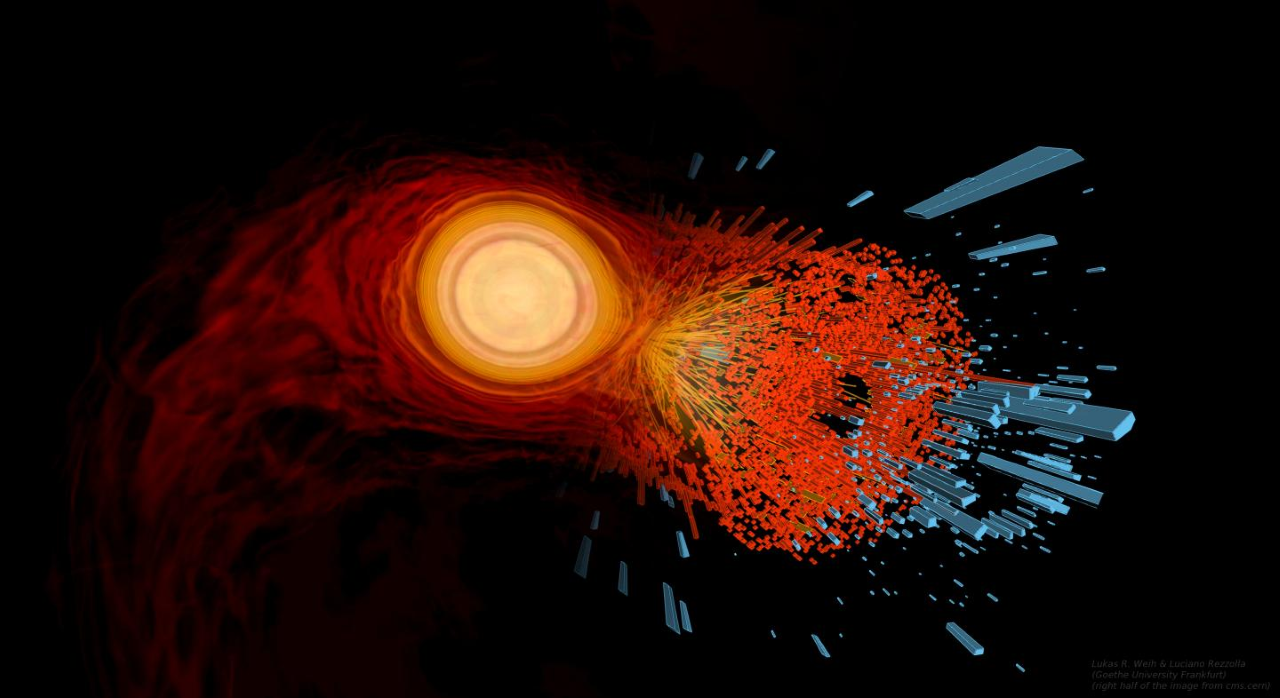
The NSF-funded project, called MUSES, will help to build an open-source cyberinfrastructure that can be used to generate Equations of State for astronomical research.