The consortium awarded $4.4M in funding and advanced computing resources to 21 projects at partner institutions.
The consortium awarded $4.4M in funding and advanced computing resources to 21 projects at partner institutions.
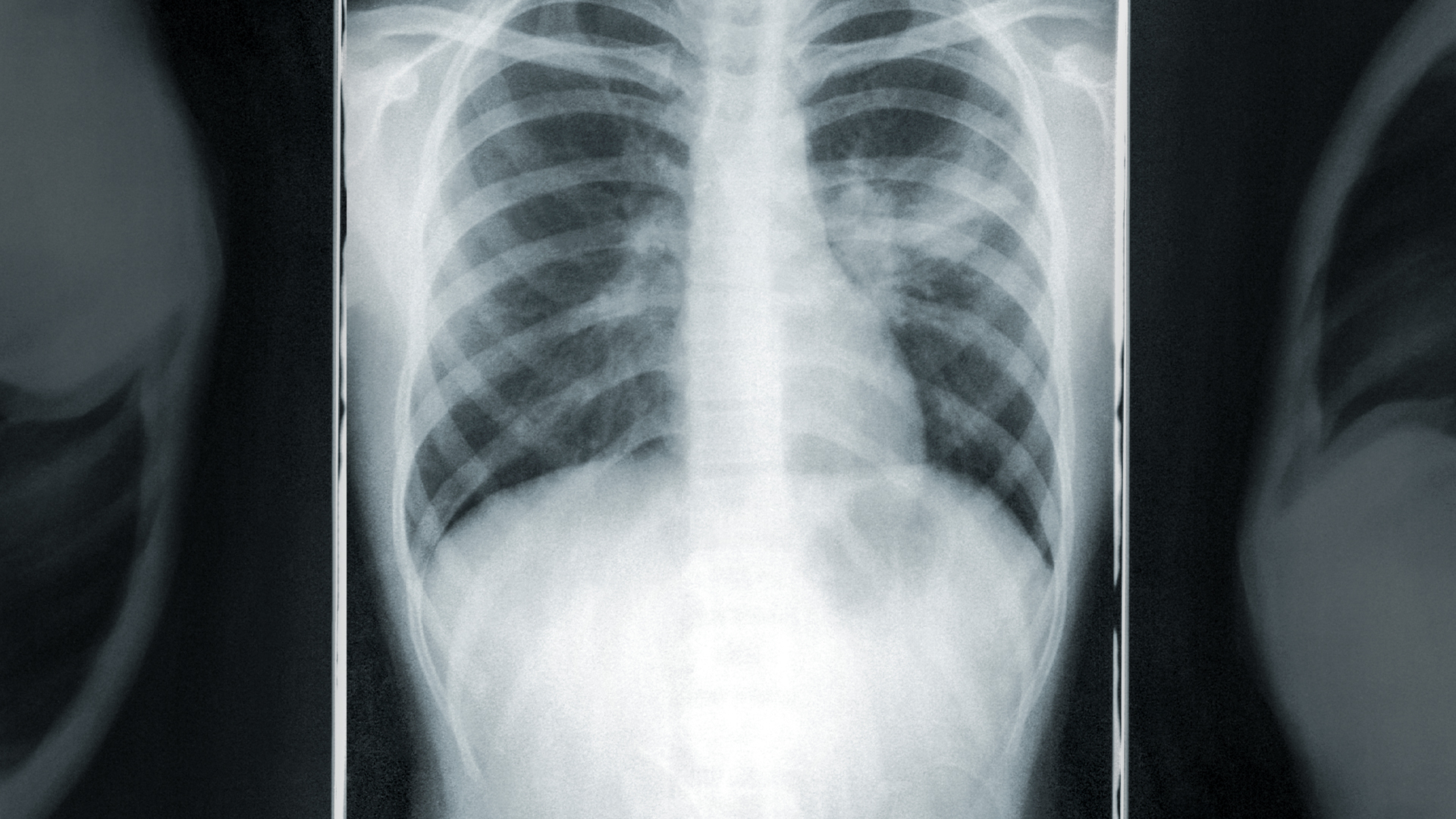
NCSA’s Center for Artificial Intelligence Innovation uses COVID-19 chest x-rays to explore best methods.
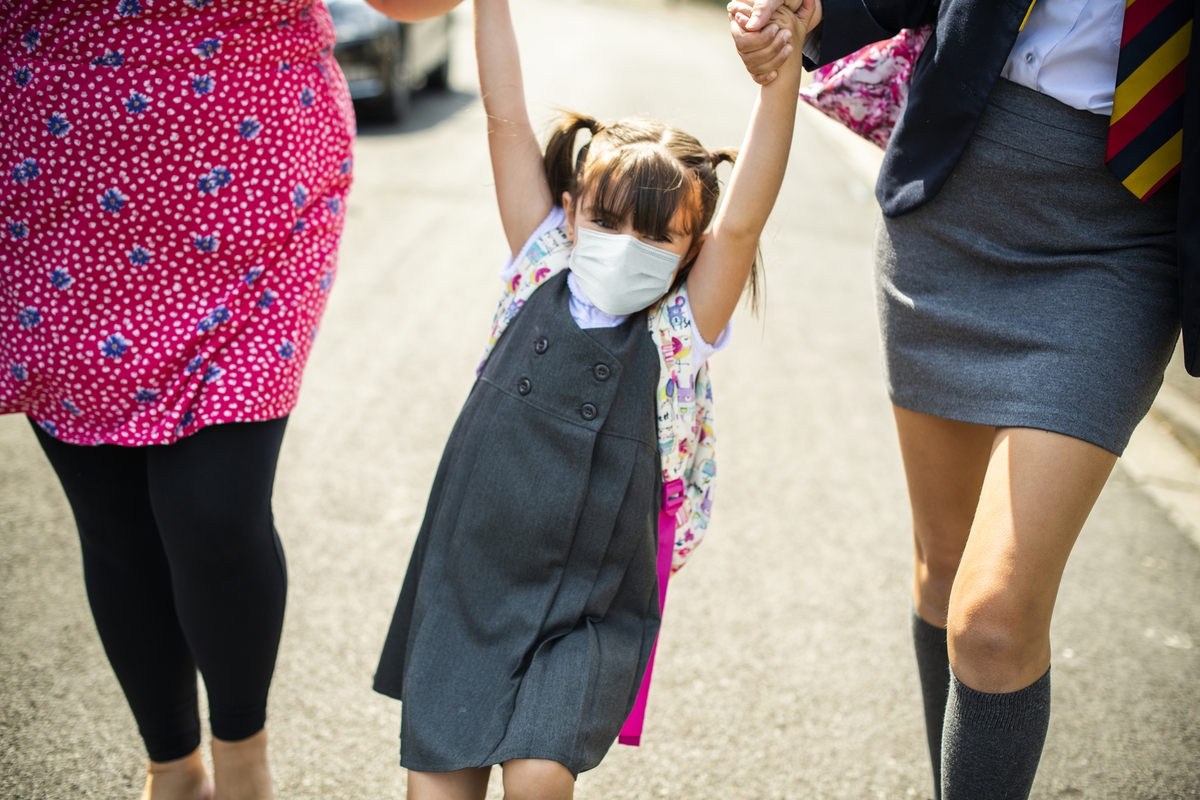
Leveraging diverse expertise, researchers and designers from the National Center for Supercomputing Applications collaborated with the University of Illinois on two tools to help schools safely transition back to in-person learning.

Geomagnetic field forecasting models run on NCSA’s Blue Waters supercomputer identify new variations in the South Atlantic Anomaly.
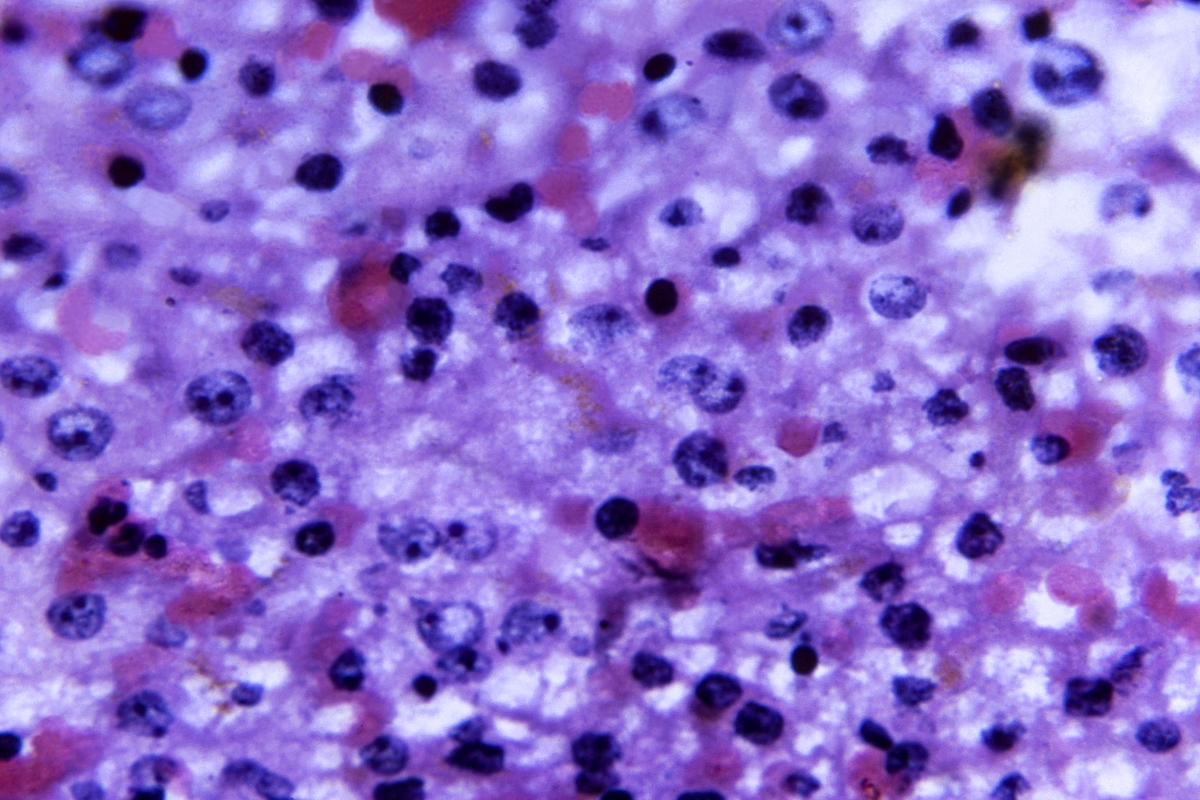
More rapid and accurate testing methods could lead to safer products on the market.
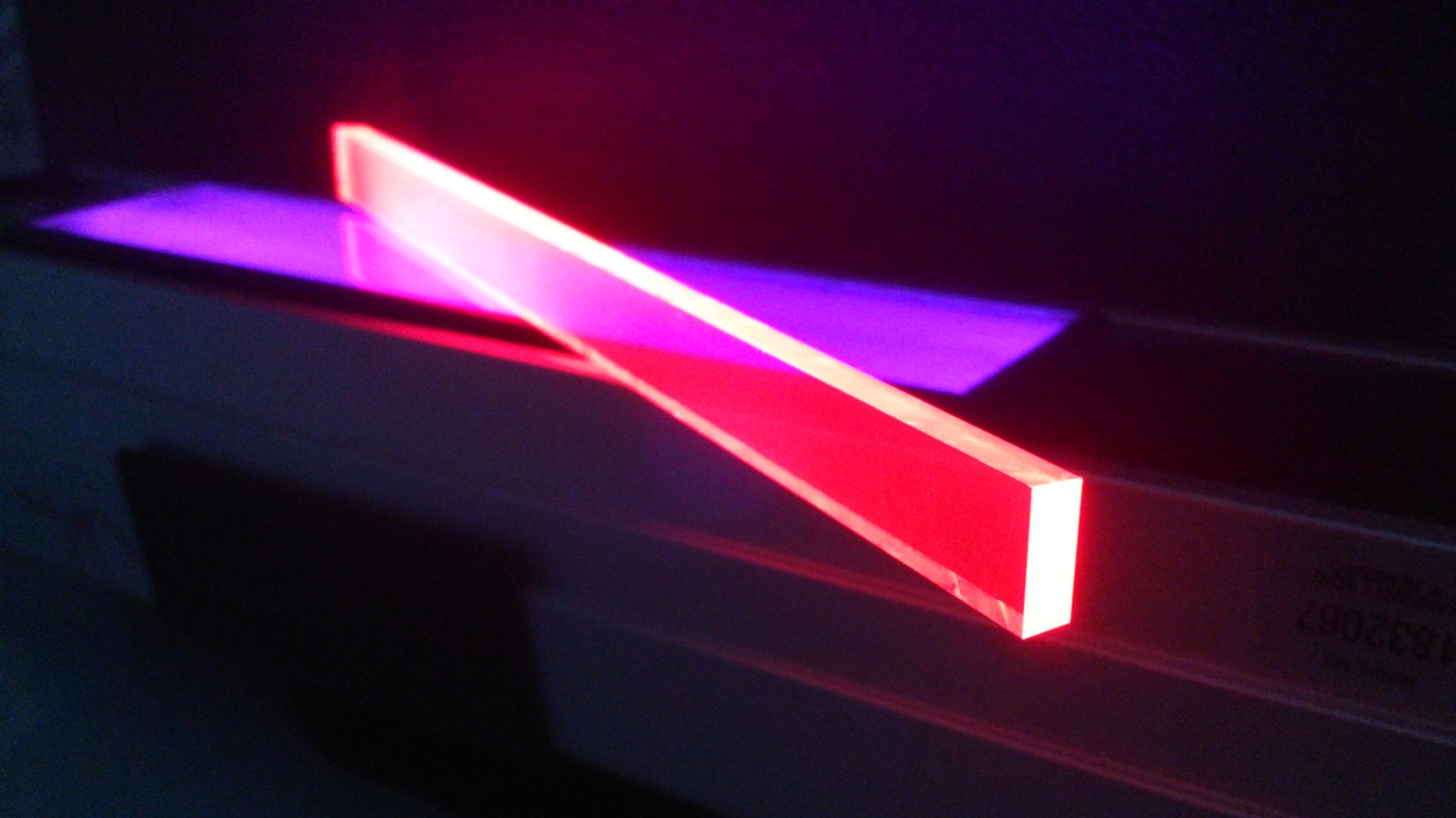
A diverse NCSA research team, which includes an Illinois MechSE undergraduate, uses AI and HPC to train a model capable of deploying metamaterial design with topology optimization on laptops that produce accurate and rapid results.

A team from the National Center for Supercomputing Applications (NCSA) used artificial intelligence on XSEDE systems to obtain a correction factor for merger simulations.

A Cornell University researcher taps work he did using NCSA’s Blue Waters supercomputer to fix a problem that’s puzzled researchers for nearly 40 years.
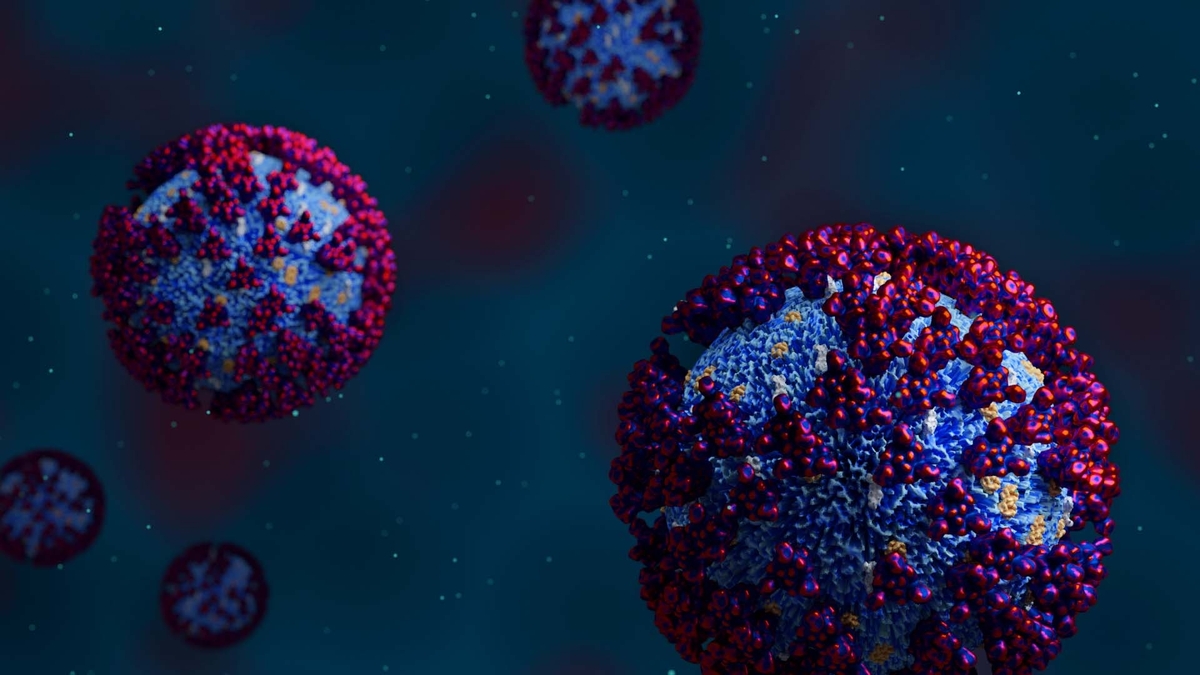
The C3.ai Digital Transformation Institute awards funding to 26 projects for research about COVID-19 and its impact on racial, economic, and healthcare disparities.
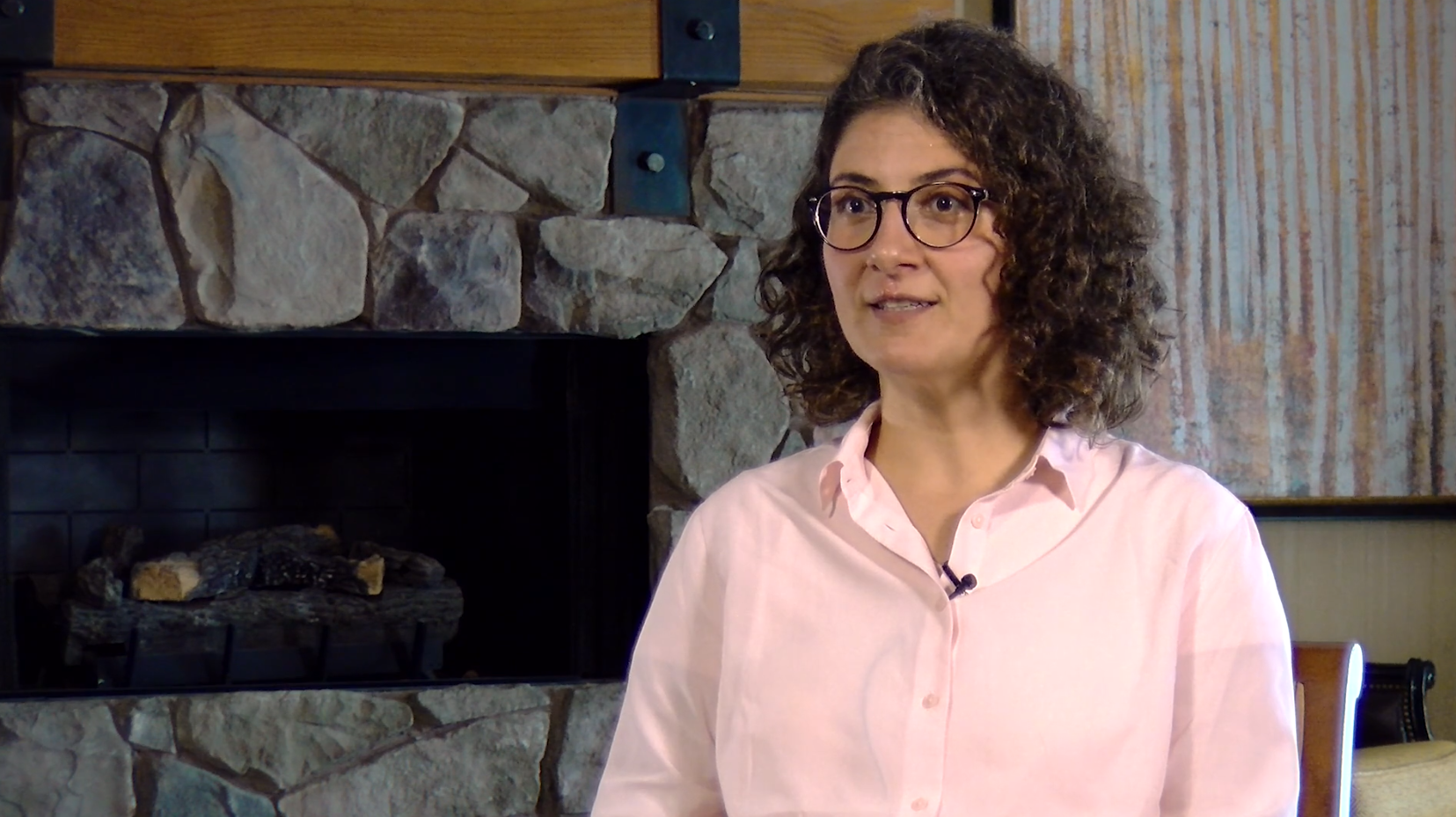
Tulin Kaman, a researcher at the University of Arkansas, has used the Blue Waters Undergraduate Internship program to offer students hands-on HPC research experience.