NCSA is helping scholars reach back in time to understand medieval history through graffiti.

NCSA is helping scholars reach back in time to understand medieval history through graffiti.
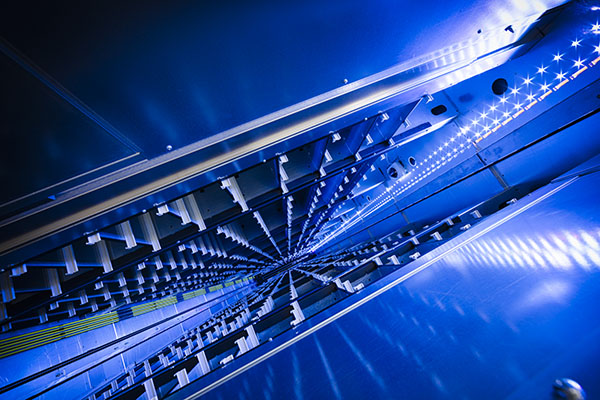
This new category is open to faculty and research staff at U.S. academic institutions who have not previously been a PI on a research allocation on the Blue Waters system.
Editor’s note: The original version of this article had inaccurate funding information related to the construction of the National Petascale Computing Facility. It has been corrected. The National Center for Supercomputing Applications (NCSA) at the University of Illinois at Urbana-Champaign released a study Wednesday detailing the current and projected economic impact of its Blue Waters project on Illinois’ economy. […]
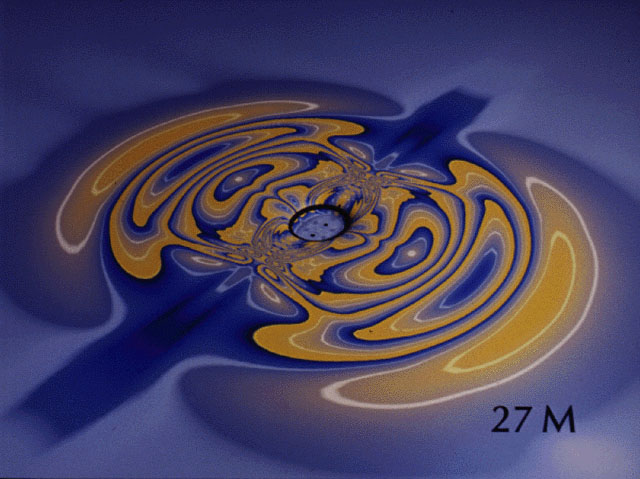
For the first time, scientists have observed ripples in the fabric of spacetime called gravitational waves, arriving at the earth from a cataclysmic event in the distant universe. This confirms a major prediction of Albert Einstein’s 1915 general theory of relativity.
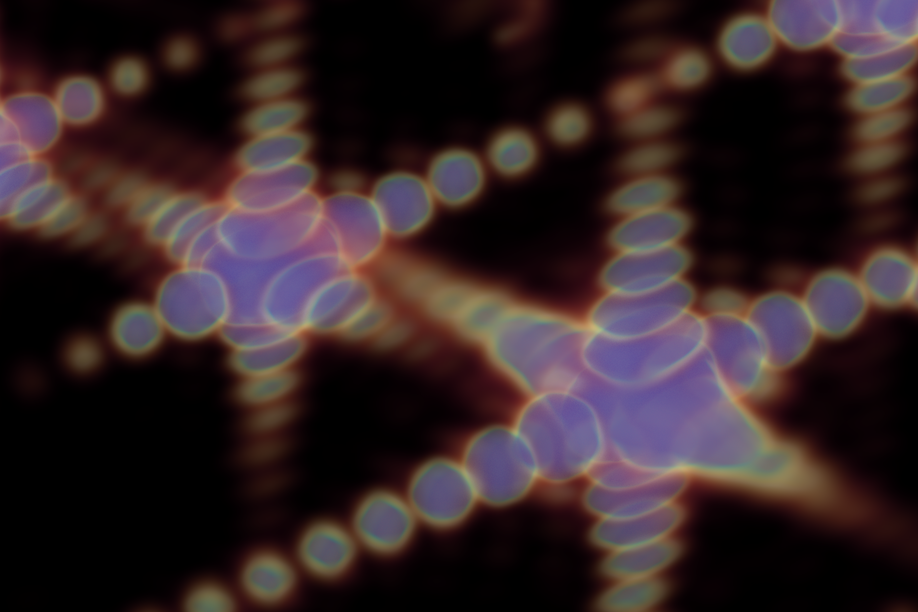
An algorithm developed by University of Arkansas engineers aids both computational scientists and experimentalists exploring the atomic scale structure of materials.
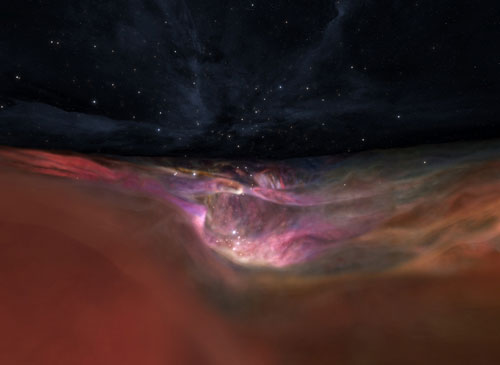
Narrated by Leonardo DiCaprio, this documentary film takes viewers through distant galaxies as it tells the story of the repair and upgrade of the Hubble telescope.
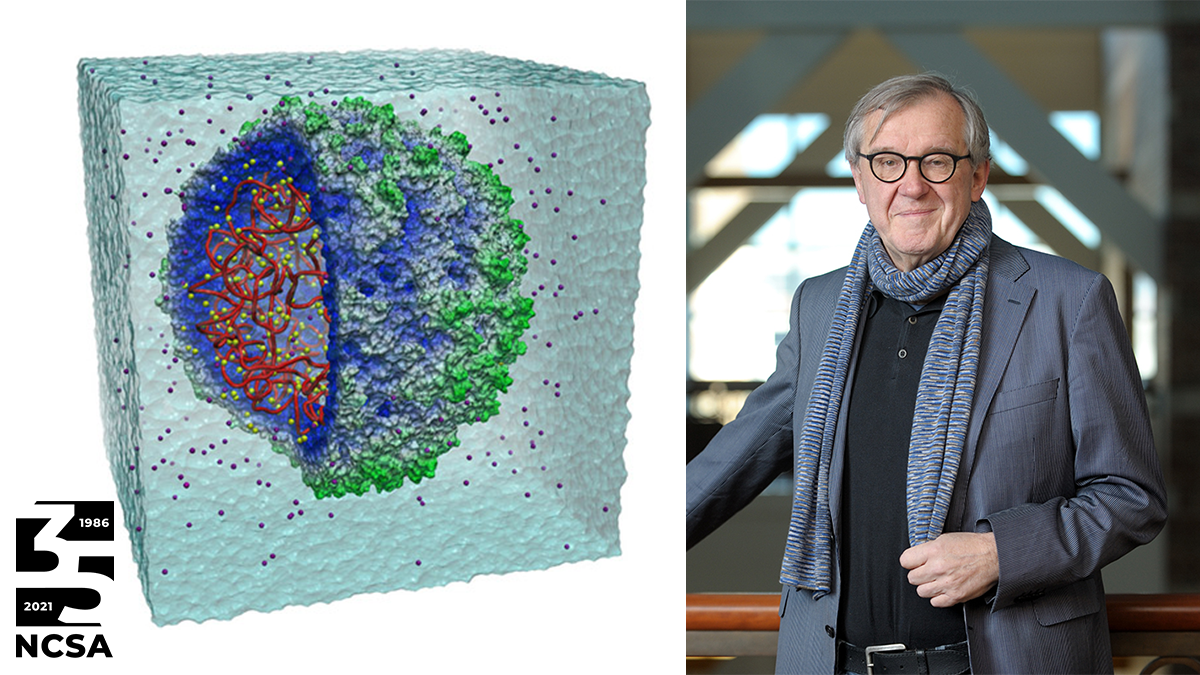
A recent simulation of the satellite tobacco mosaic virus is a striking first. There’s never been a computer simulation of an entire life form in atomic detail. Until now.
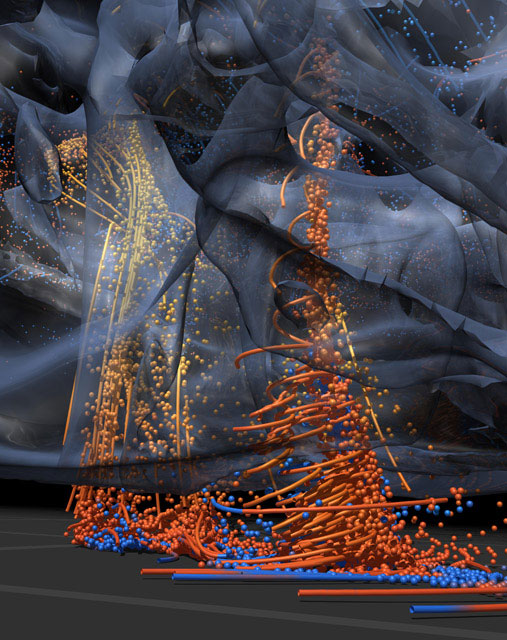
Researchers from the University of Illinois at Urbana-Champaign collaborated with visualization experts at NCSA in an effort to shed light on how the most violent tornadoes form and to create animations that reveal the inner behavior of tornado producing storms.
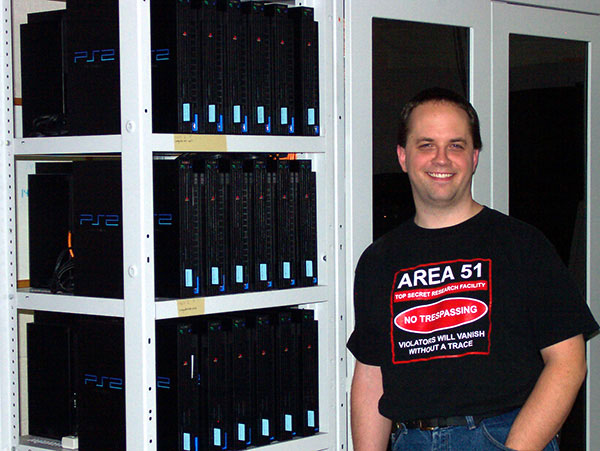
When Sony later released the Linux Kit for the PS2, interest in the machines spread beyond the gaming community to a seemingly unlikely place: the National Center for Supercomputing Applications (NCSA).
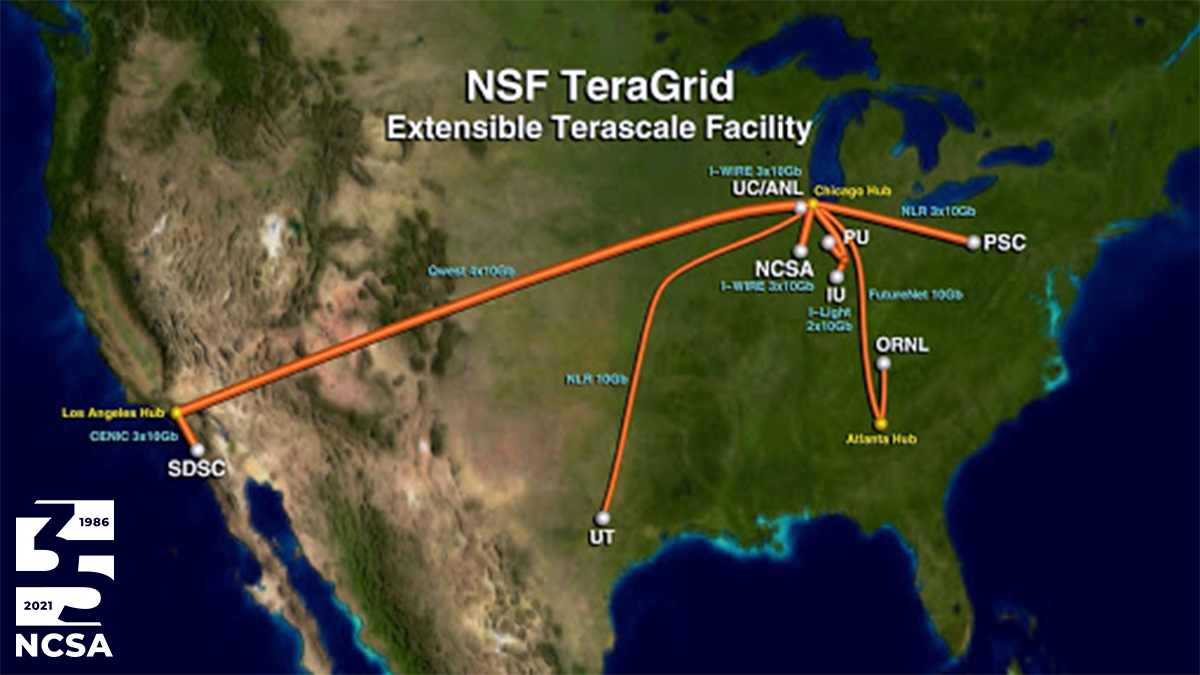
The National Science Foundation (NSF) has awarded $53 million to four U.S. research institutions to build and deploy a distributed terascale facility (DTF).