Using NCSA’s iForge and Blue Waters, UIUC researchers predicted a volcanic event at the Sierra Negra Volcano five months in advance.
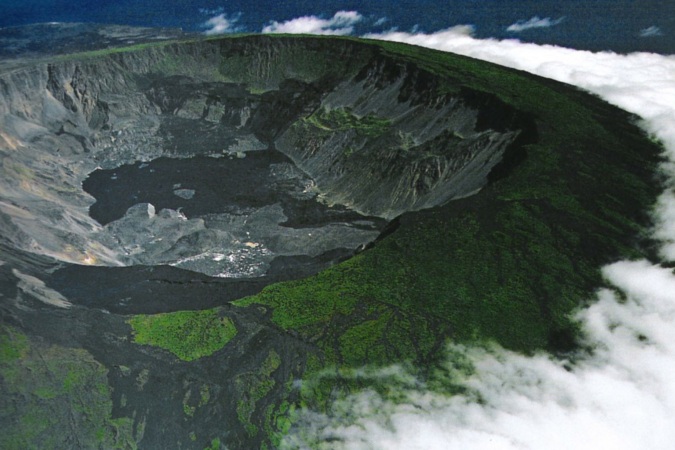
Using NCSA’s iForge and Blue Waters, UIUC researchers predicted a volcanic event at the Sierra Negra Volcano five months in advance.
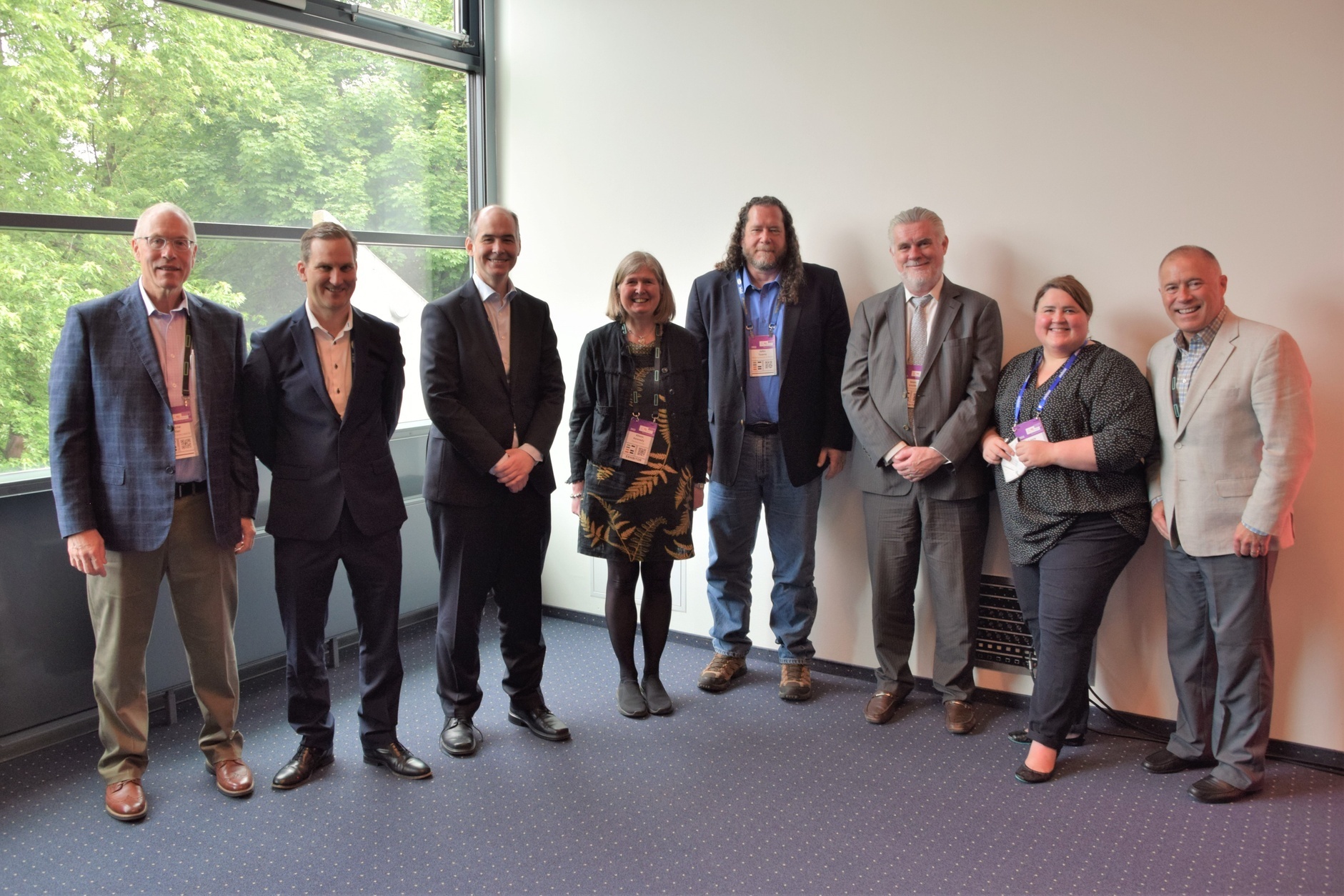
The International Association of Supercomputing Centers would serve centers worldwide.

Eight institutions form the Taylor Geospatial Institute to further establish the Midwest as the epicenter of national geospatial research.
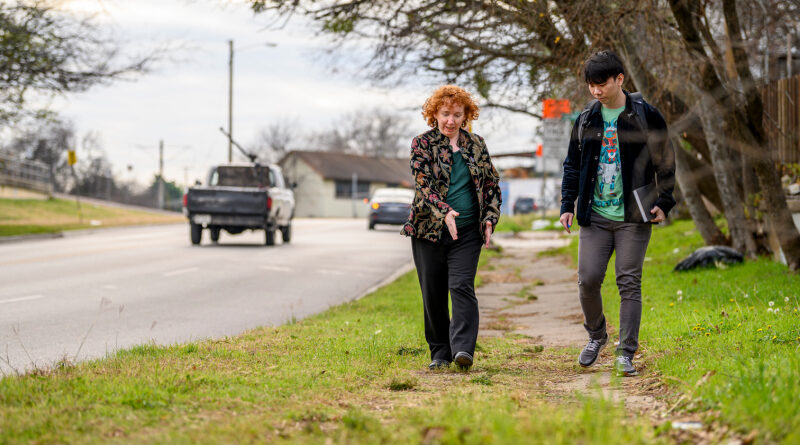
Using the Clowder framework developed at NCSA, researchers identified 62 highly deficient neighborhoods, shedding light on the impact of infrastructure on housing, health and quality of life.
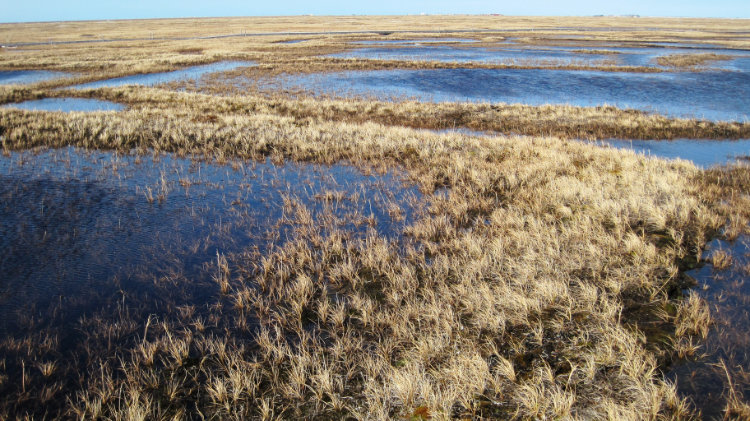
A team of researchers uses deep learning, satellite imagery, software and supercomputers to make permafrost data more accessible, leading to insights on climate change.
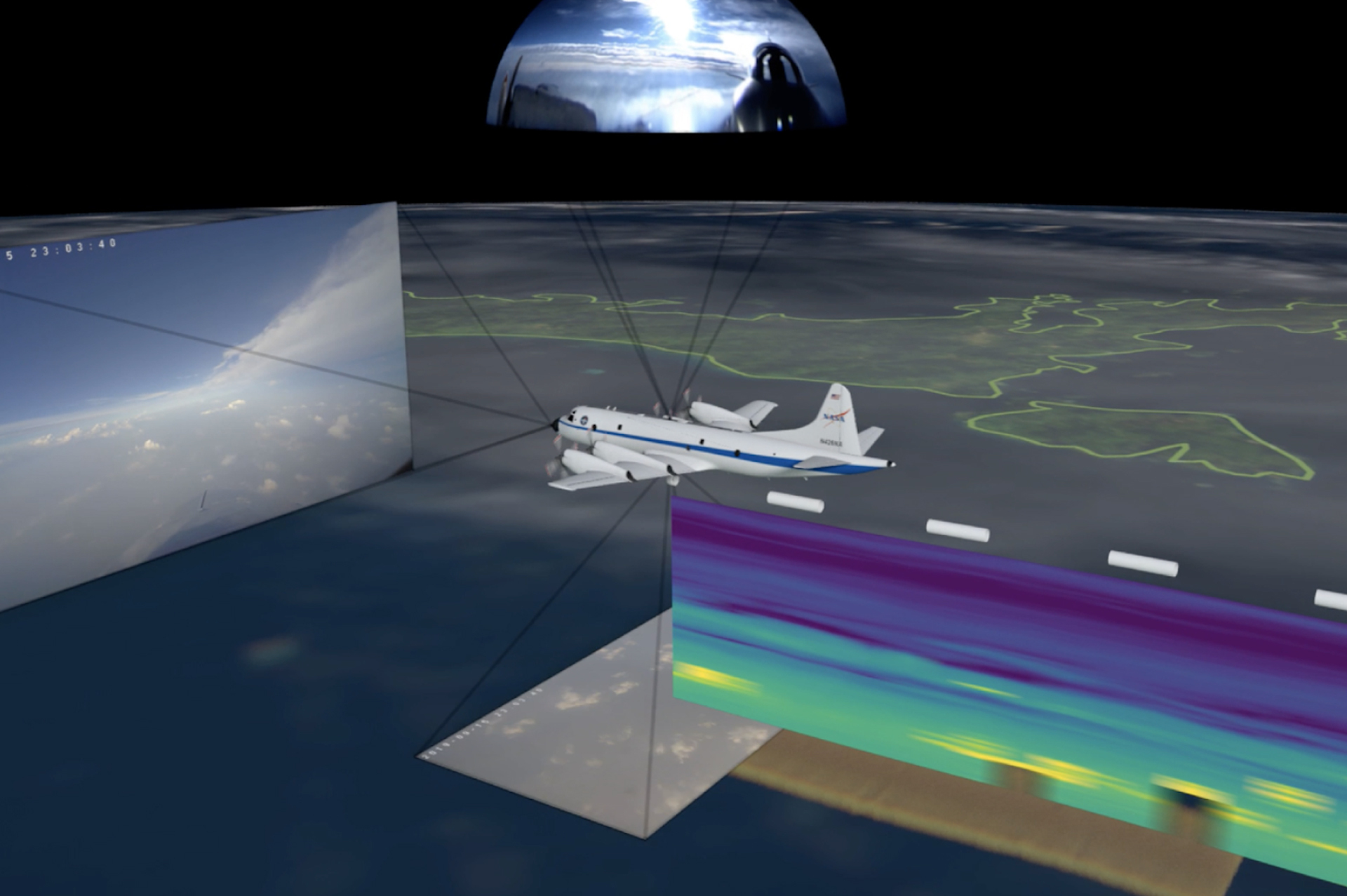
NCSA’s Advanced Visualization Lab worked with researchers and scientists to make Earth data more accessible and easier to process.

NCSA researchers use high-energy physics and AI to develop FAIR guidelines that drive discovery and innovation through improving data management and stewarding best practices.
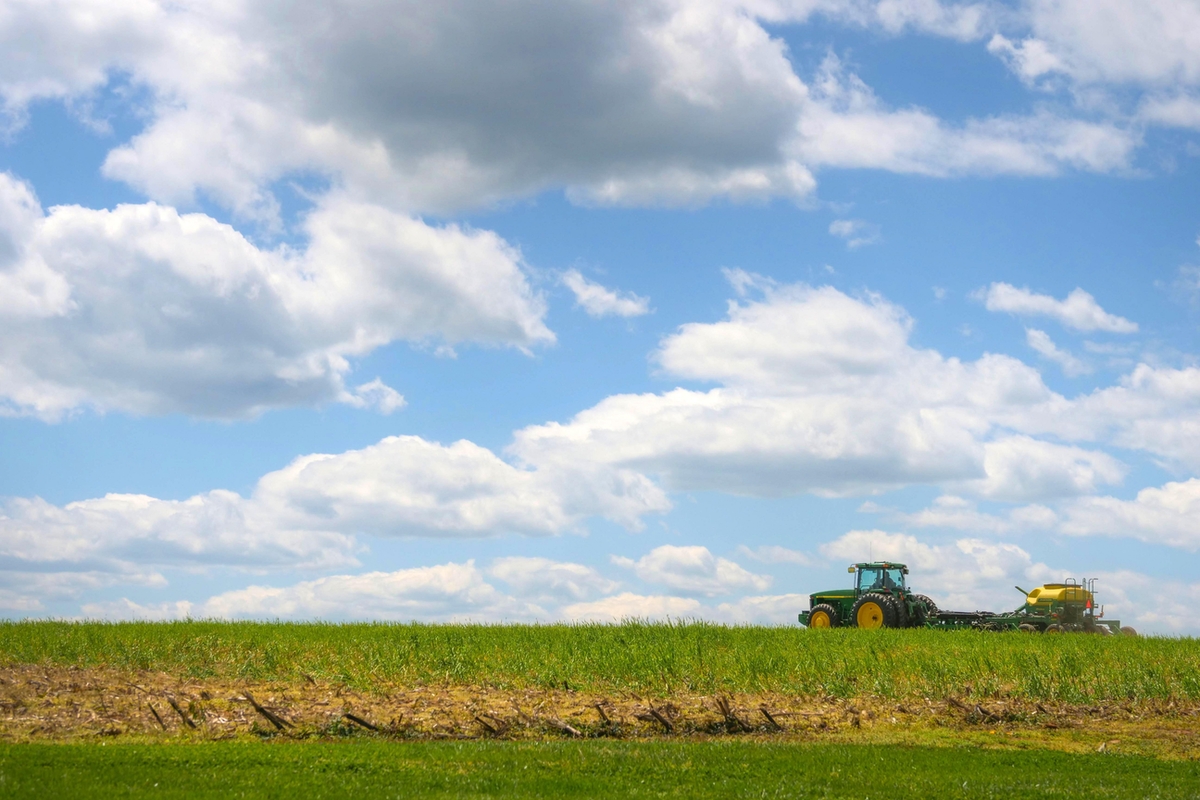
The free tool now includes enhanced weather forecasting and nitrogen estimation, leading to better-informed decisions in farming.
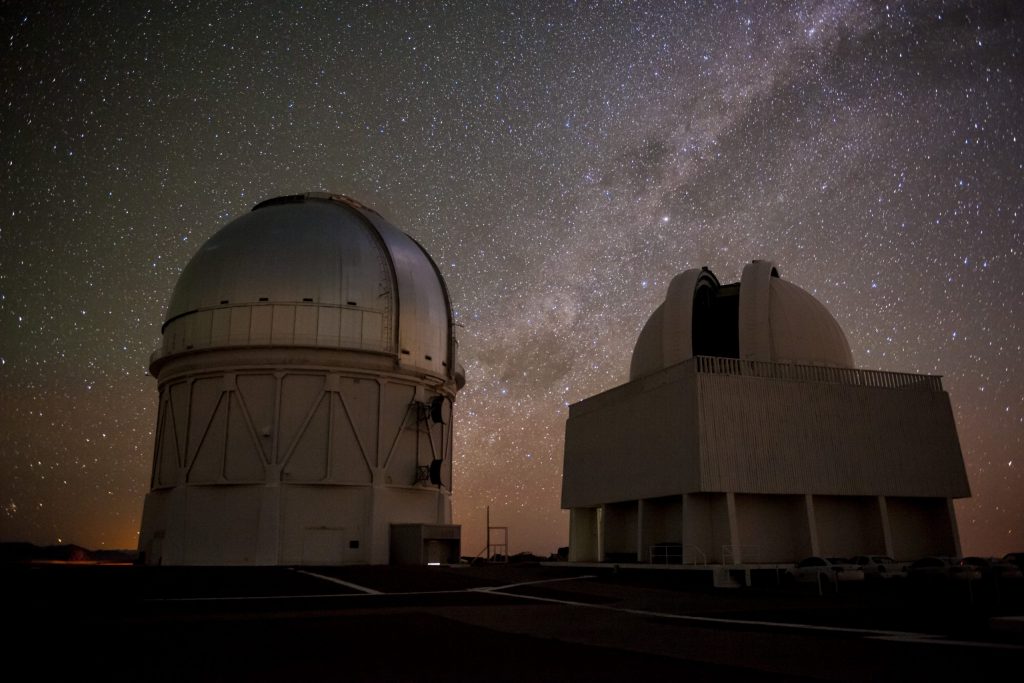
NCSA-supported research helps map the Eridanus supervoid near Earth. Verifying its existence could mean that the universe is expanding faster than expected.
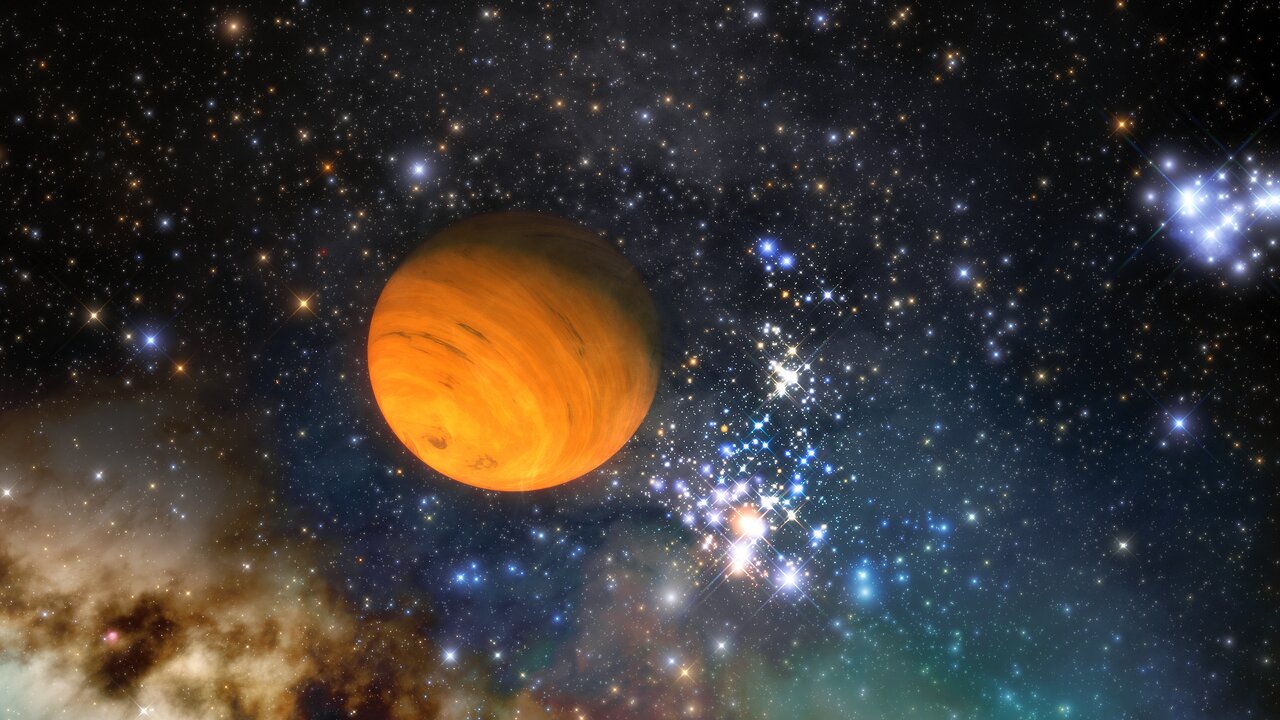
Through the Dark Energy Survey, astronomers discovered more than 70 Jupiter-sized exoplanets in the Milky Way.