Illinois researchers run simulations on NCSA’s Delta supercomputer that explore why the Milky Way’s black hole is “quieter” than simulations normally indicate.

Illinois researchers run simulations on NCSA’s Delta supercomputer that explore why the Milky Way’s black hole is “quieter” than simulations normally indicate.
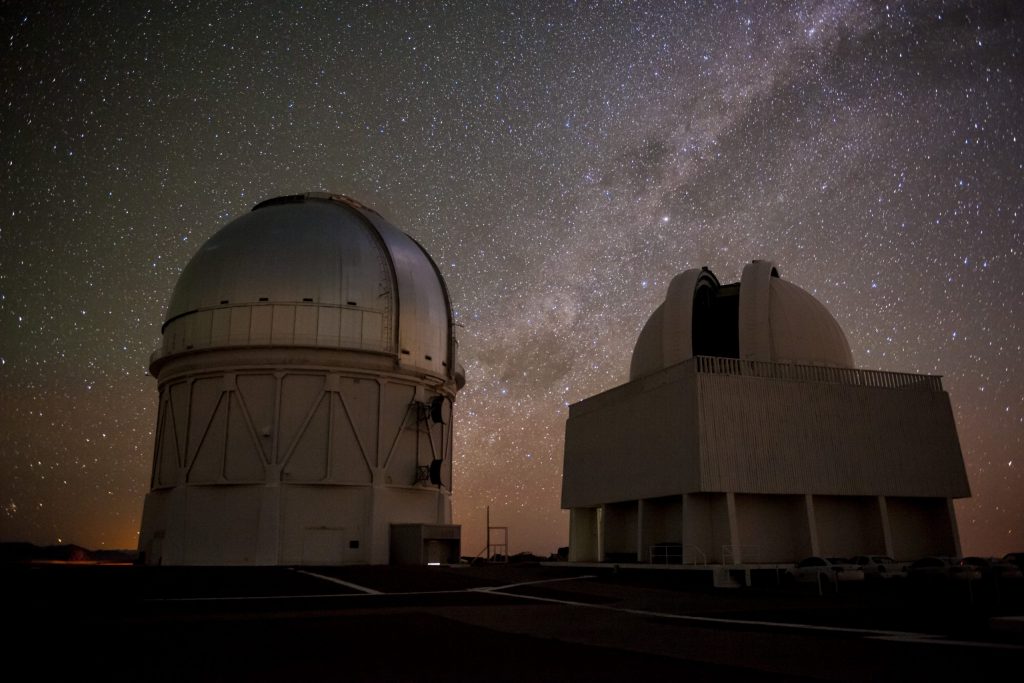
Data processed and served by NCSA enabled the Dark Energy Survey’s most detailed analysis of cosmic expansion.
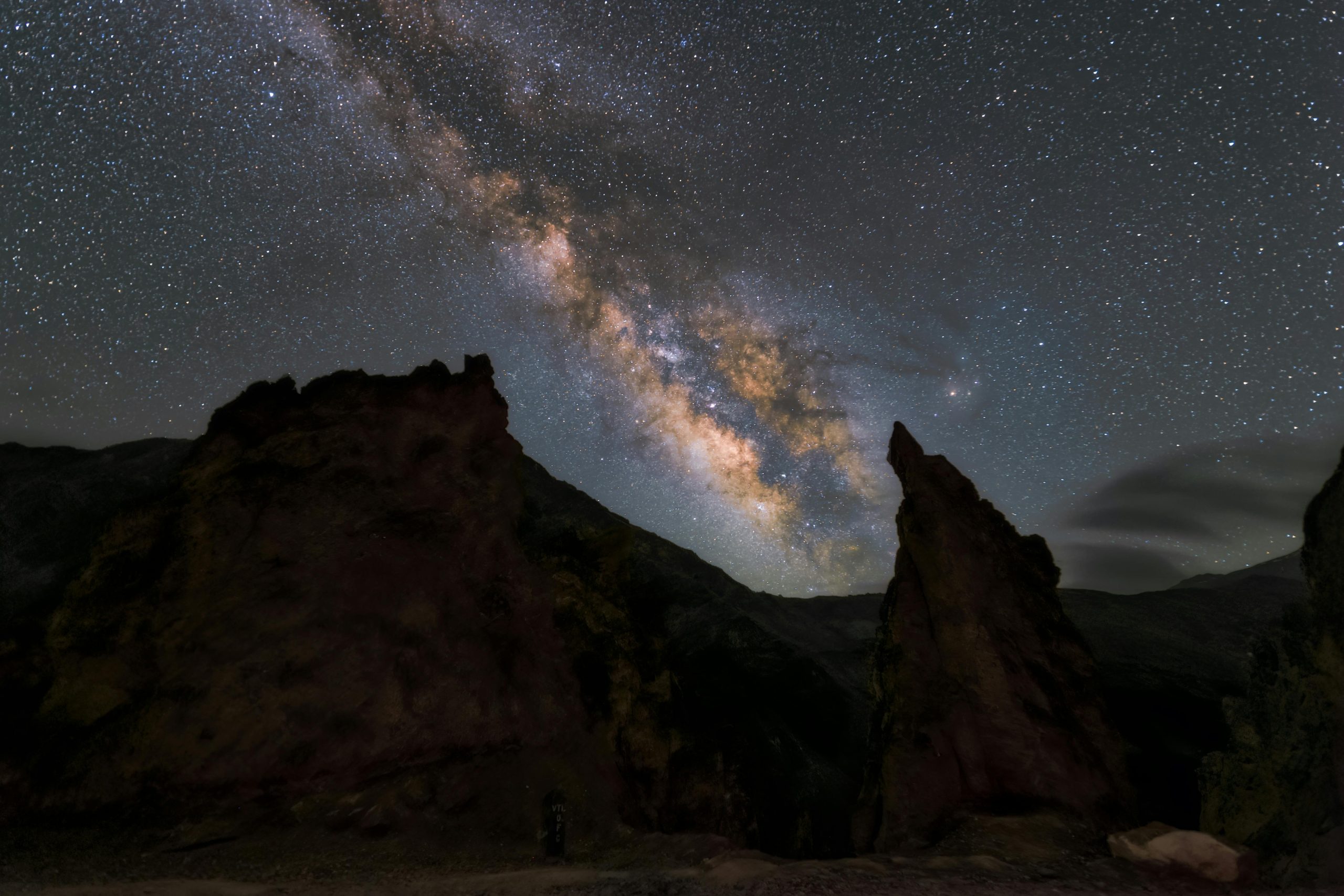
Researchers at the Center for AstroPhysical Surveys (CAPS) used the South Pole Telescope to peer deep into the center of the Milky Way and discovered powerful, surprising bursts of light from two accreting white dwarf systems, marking the first time such events have been captured in a blind millimeter-wavelength survey and opening a new window onto the dynamic environments at the center of the galaxy.
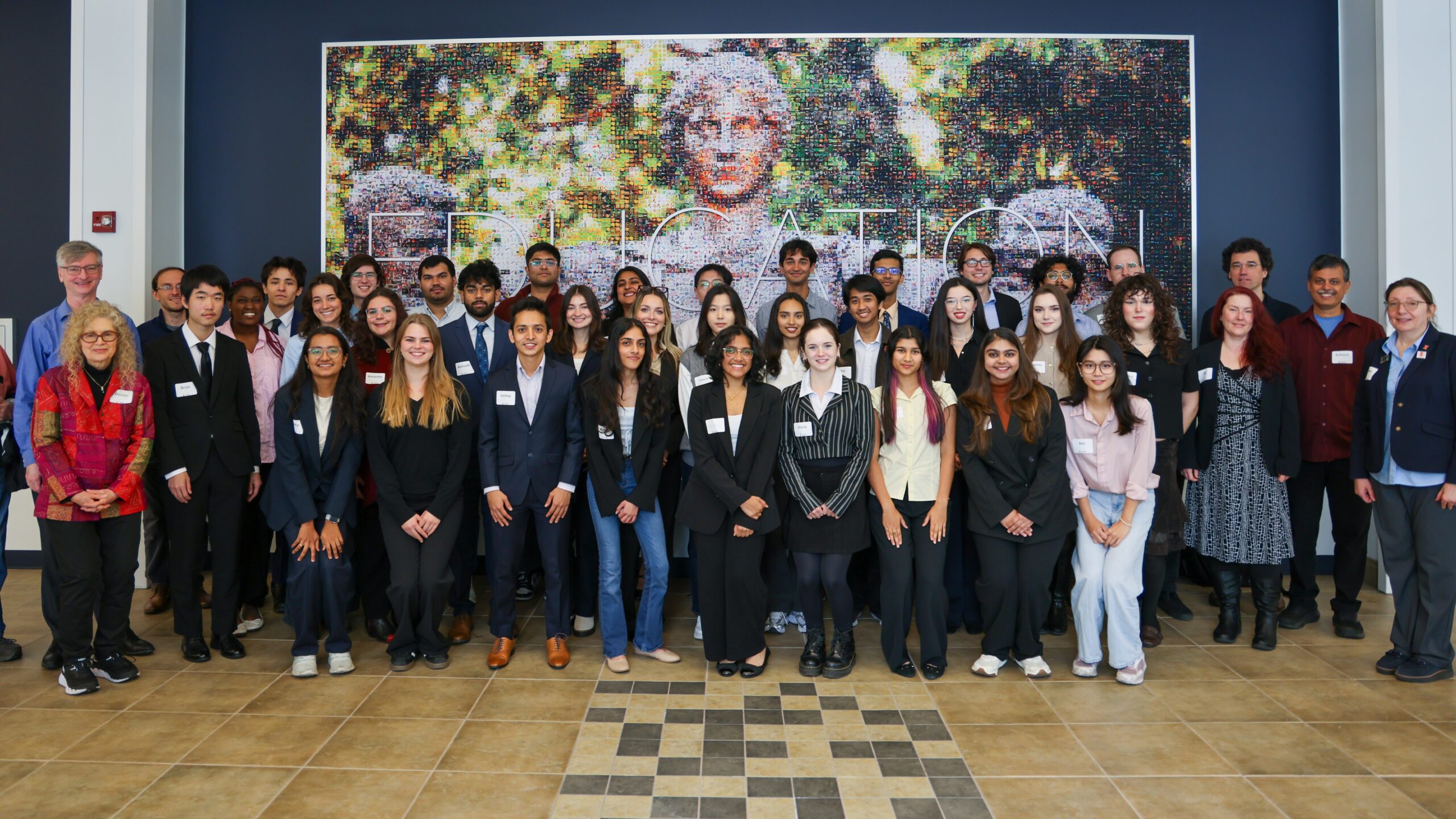
Students in NCSA programs were recognized for their outstanding work and interdisciplinary contributions to various fields of research.
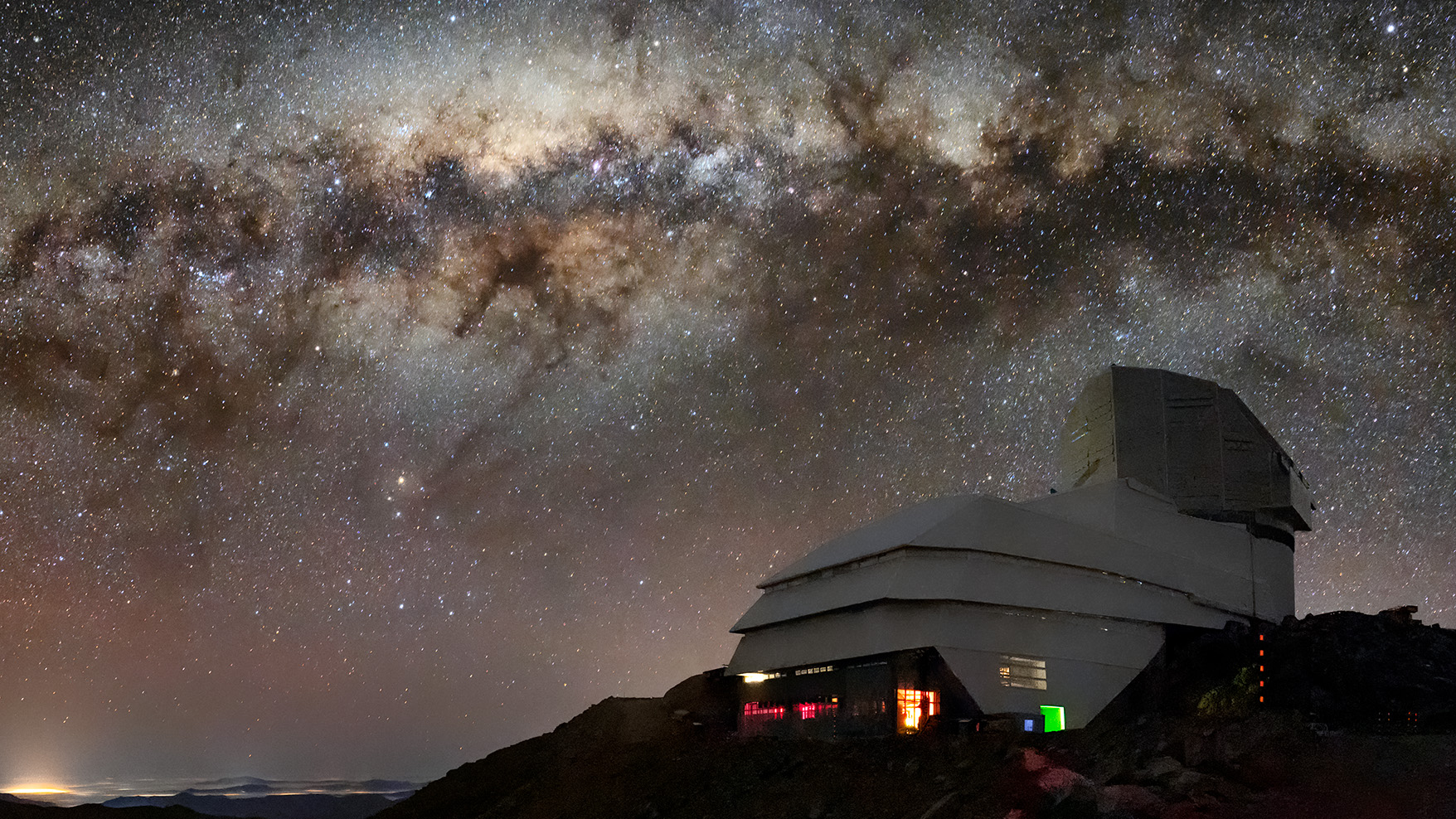
NCSA’s Stephen Pietrowicz works with the Vera C. Rubin Observatory Data Management team to help them manage the mountains of data they find in the night sky.

NASA awarded the Center for Artificial Intelligence Innovation $1 million to support the exploration of dark matter and dark energy.
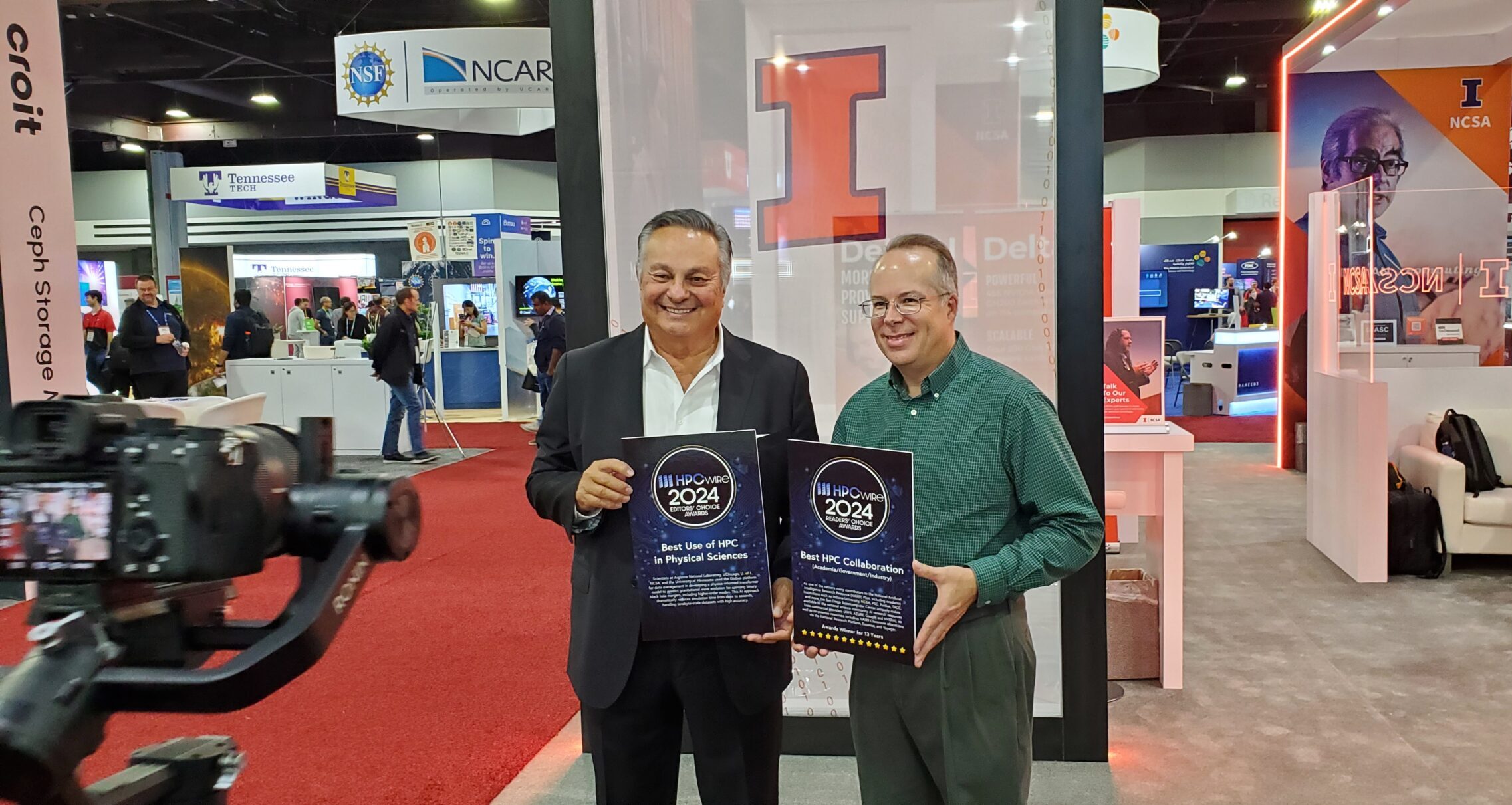
NCSA recognized by the HPCwire community for its outstanding work in artificial intelligence and high-performance computing.
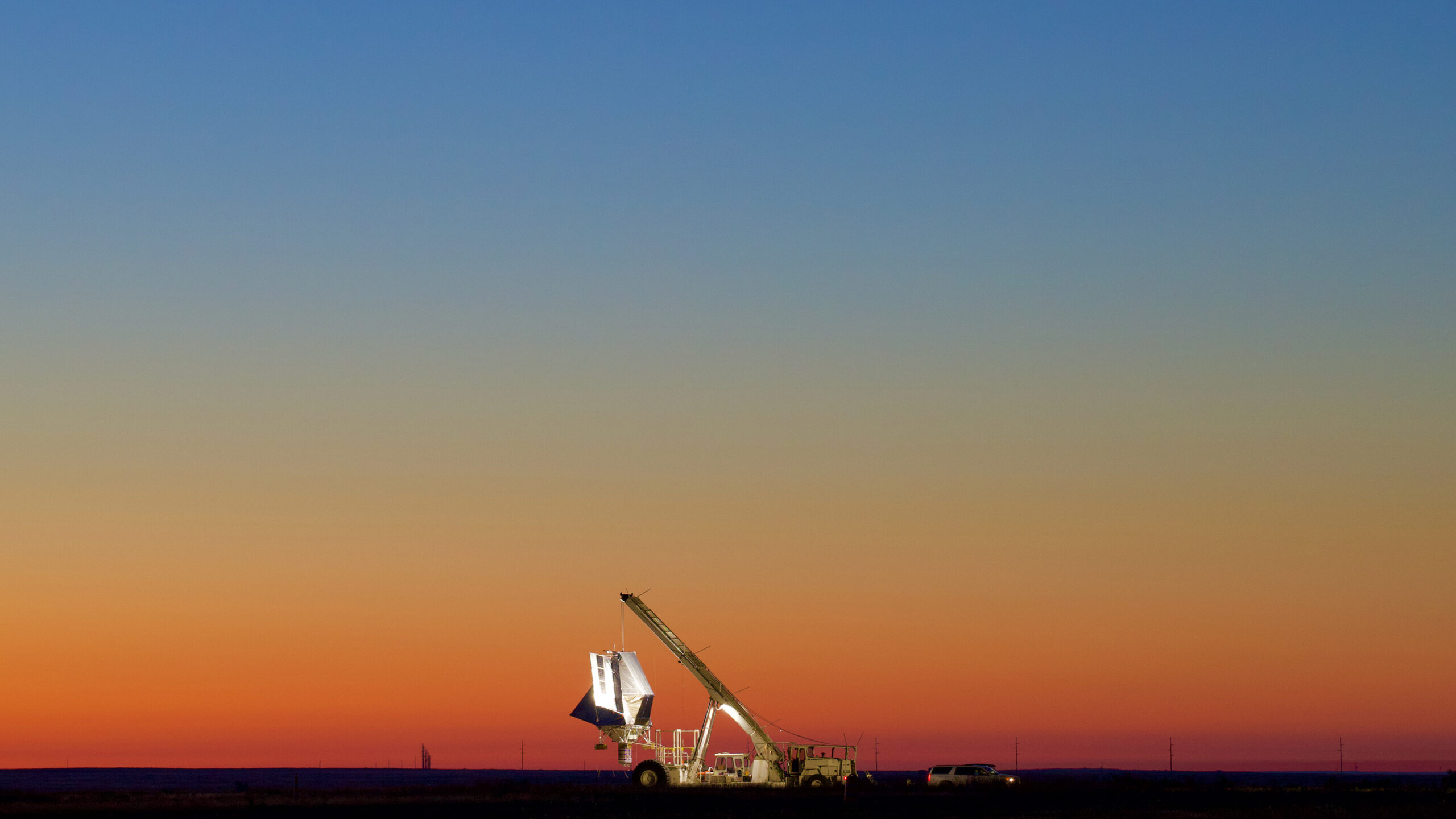
The Astrophysical Sciences Project Office celebrates five years of success with its programs, including the Center for AstroPhysical Surveys.
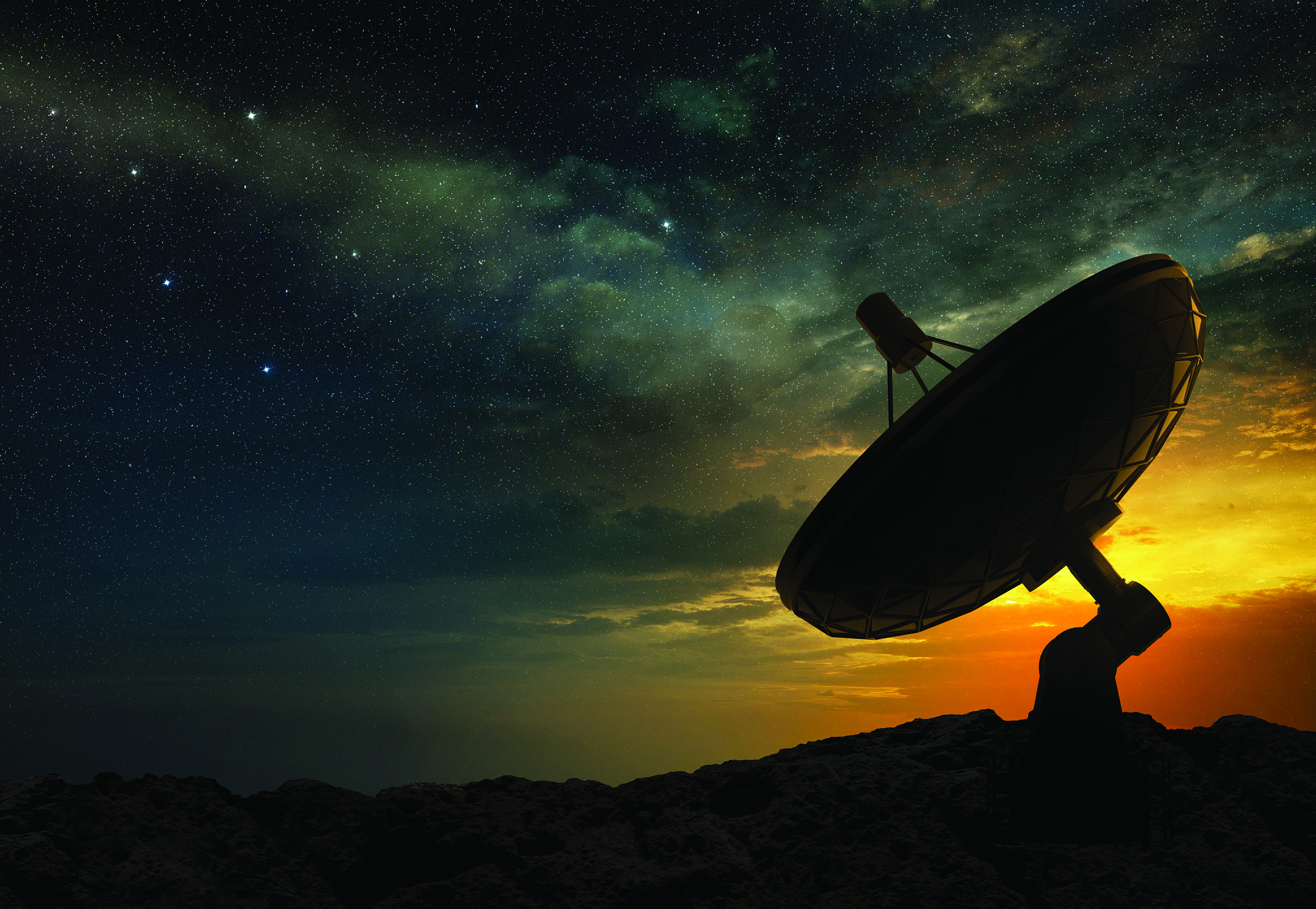
The HEROIC service will provide the entire astrophysics community a single destination to coordinate resources around an astronomical event.
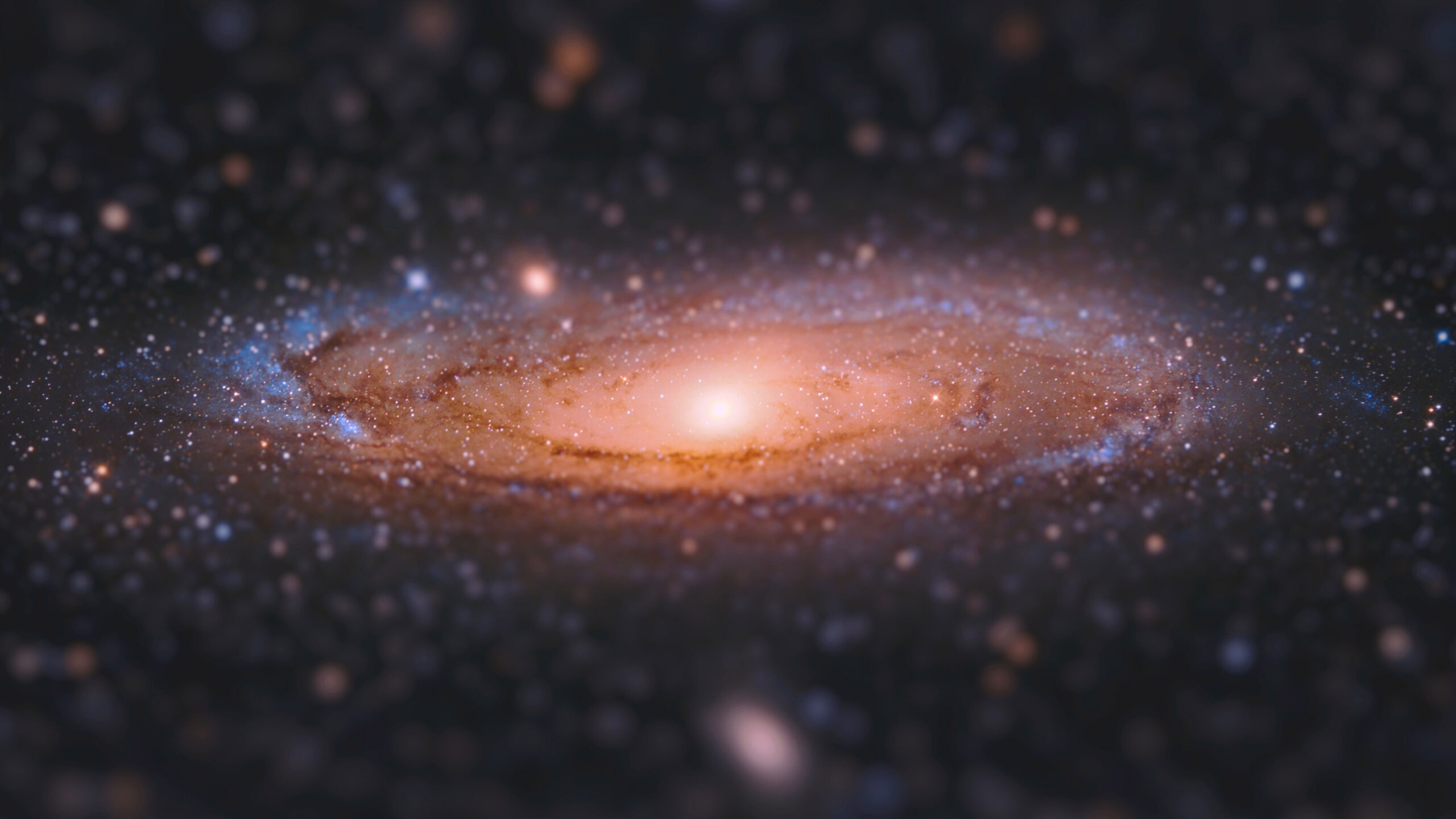
NCSA scientists probe the epoch of the first stars and galaxies using the oldest light in the universe and the Illinois Campus Cluster.