A collaborative research award between NCSA and six other institutions will take on an effort to standardize how scientific data is described.

A collaborative research award between NCSA and six other institutions will take on an effort to standardize how scientific data is described.
A dozen NCSA Fellows are part of nine different projects funded by the NCSA Fellowship program.
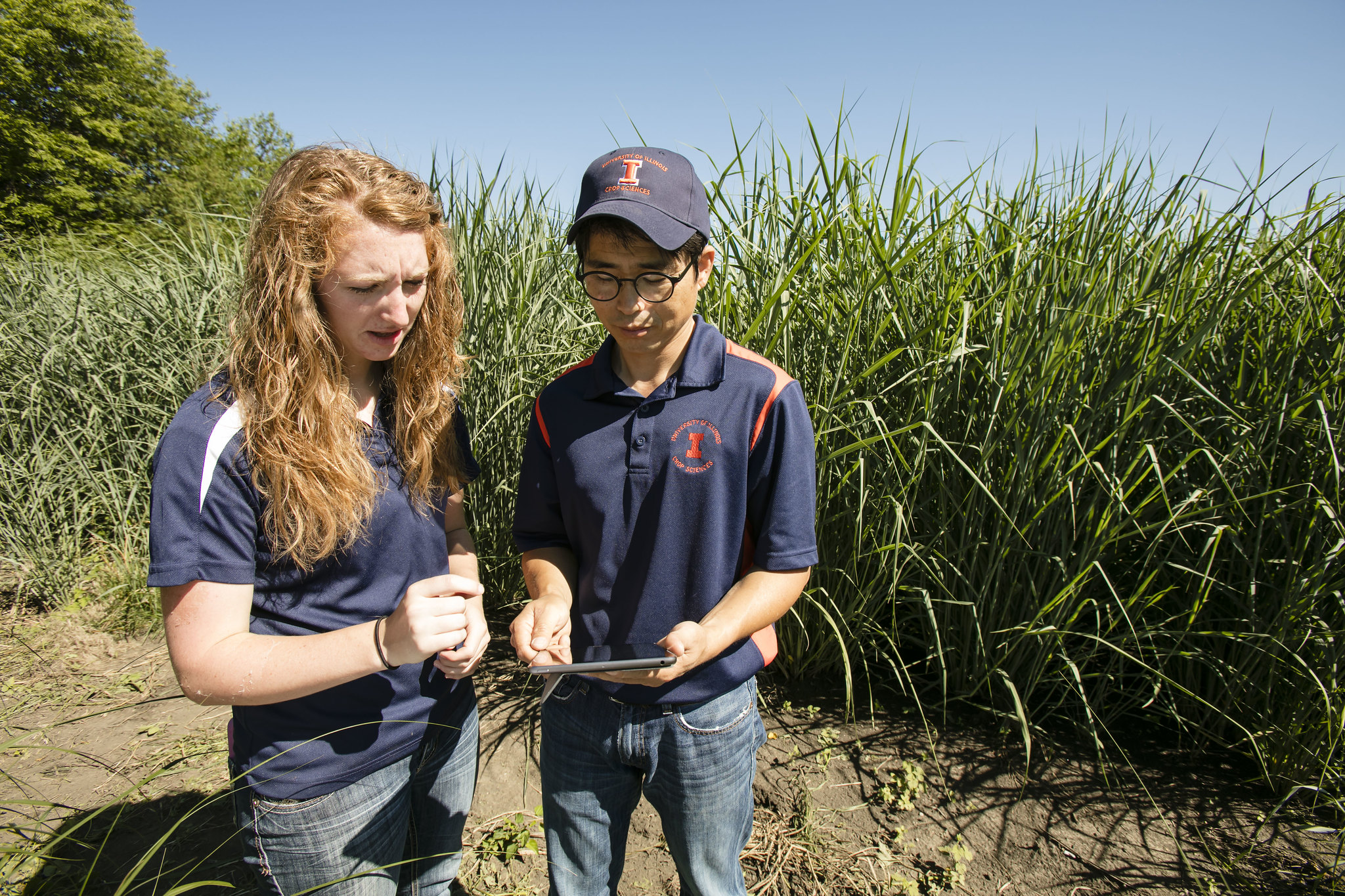
The Center for Digital Agriculture at NCSA partners with Illinois College of ACES and The Grainger College of Engineering to launch Digital Ag M.Eng and certificate programs.

A collaborative research award between NCSA and the University of Chicago will undertake a community-centered approach for supporting and sustaining Parsl.
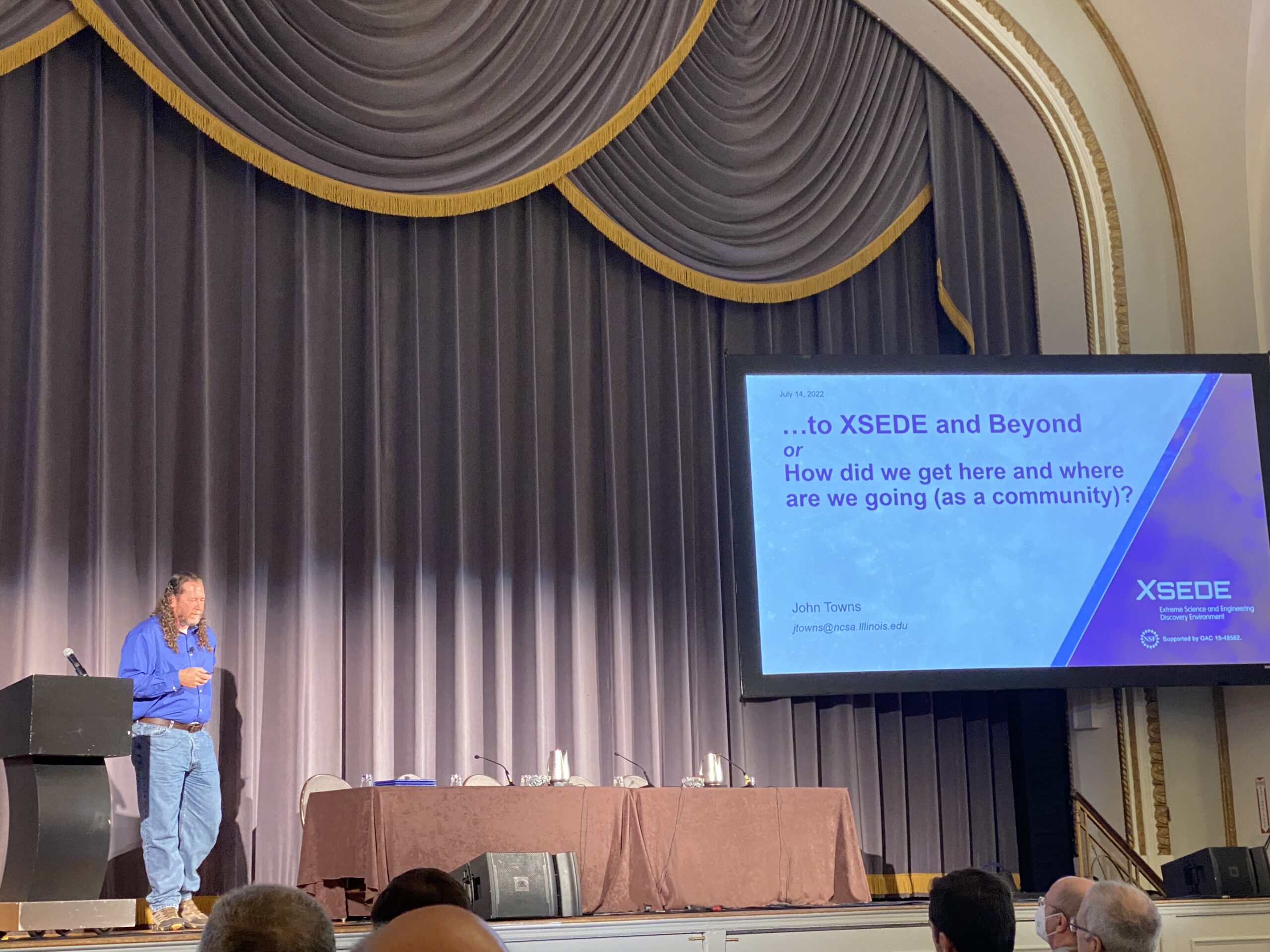
Project leader attributes XSEDE success, in part, to community-building
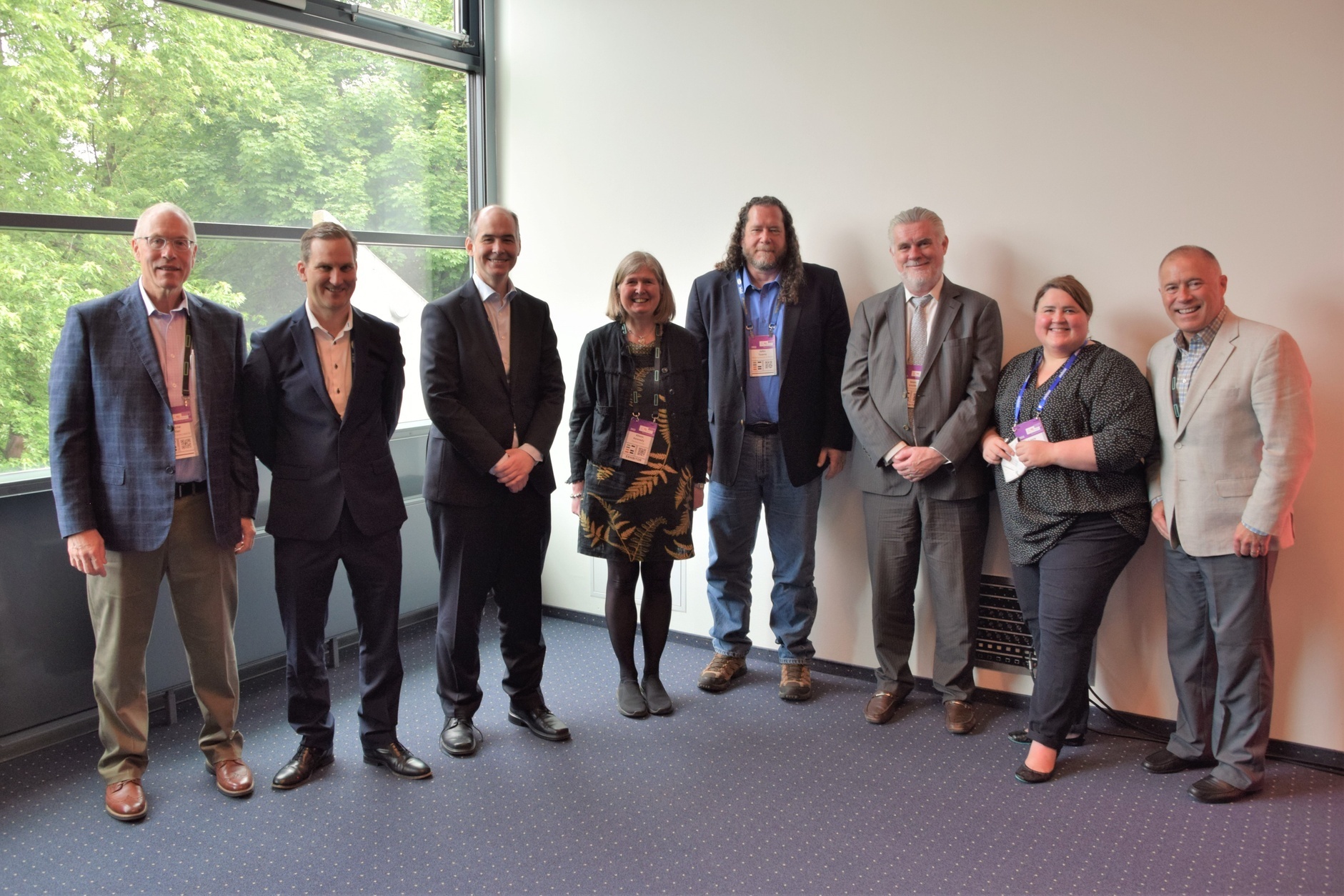
The International Association of Supercomputing Centers would serve centers worldwide.

The Center for Digital Agriculture at NCSA and the Institute for Sustainability, Energy and Environment collaborate to pioneer I-FARM, NIFA’s Farm of the Future Project.

Eight institutions form the Taylor Geospatial Institute to further establish the Midwest as the epicenter of national geospatial research.

NSF director, Senator Dick Durbin speak about societal and economic impacts.

The follow-on projects to NSF’s successful XSEDE program will be led, in part, by three key investigators from NCSA.