The C3.ai Digital Transformation Institute announced advanced research awards for 24 projects focused on using AI to harden information security and secure critical infrastructure.

The C3.ai Digital Transformation Institute announced advanced research awards for 24 projects focused on using AI to harden information security and secure critical infrastructure.
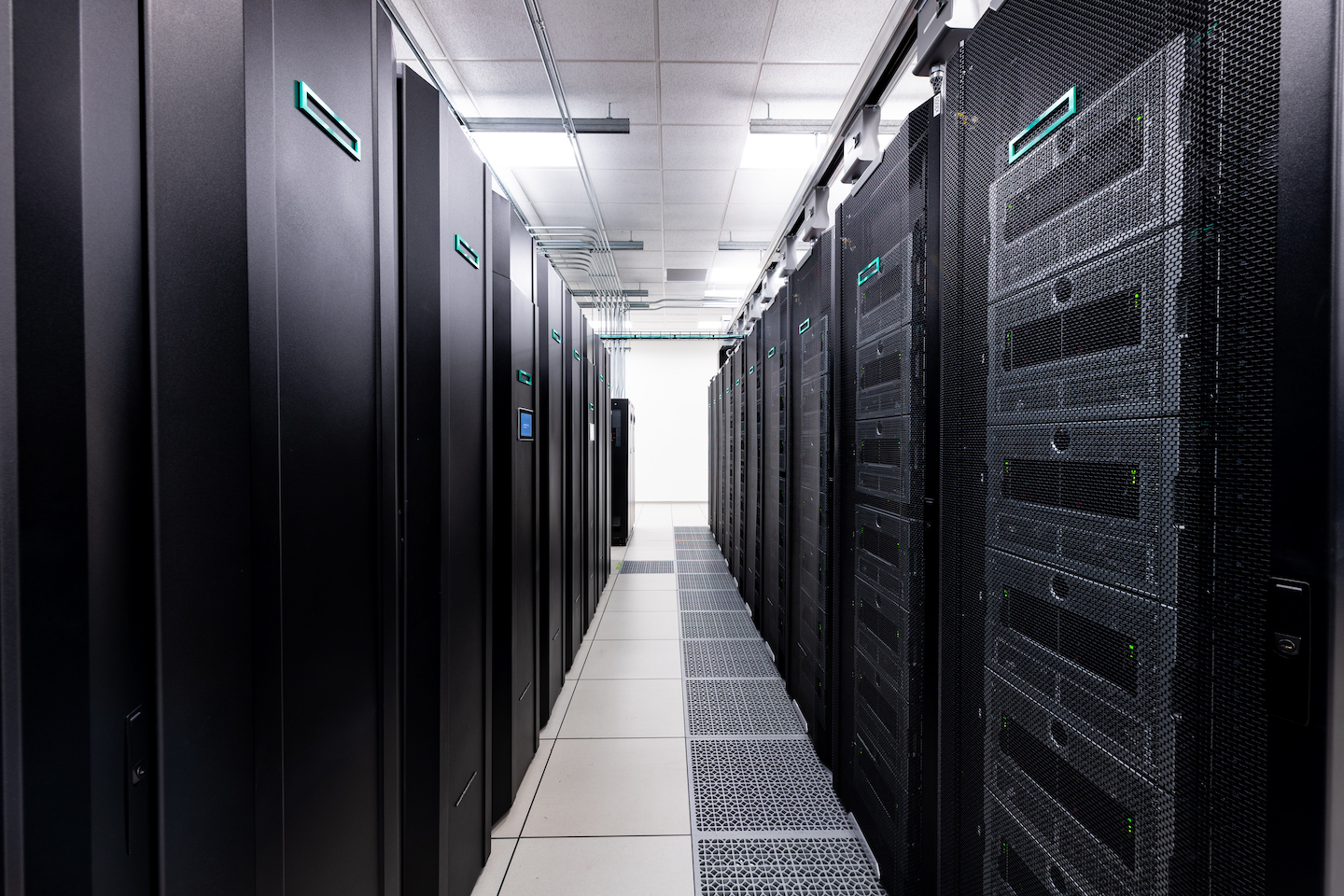
NCSA’s newest advanced computing resource is on the floor and will be launching soon. Researchers should start planning to utilize this new resource.
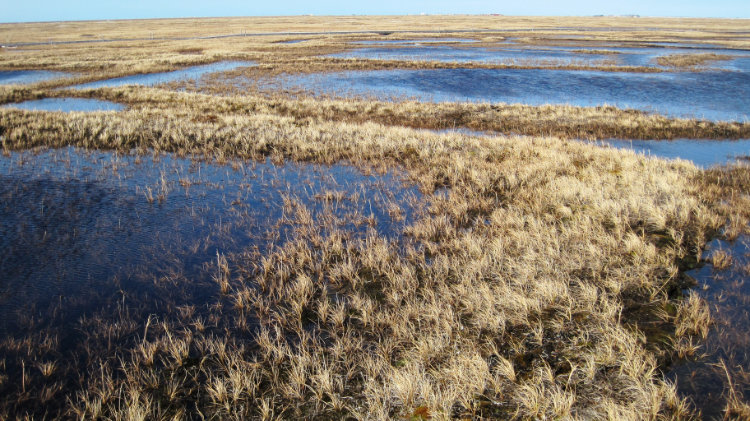
A team of researchers uses deep learning, satellite imagery, software and supercomputers to make permafrost data more accessible, leading to insights on climate change.
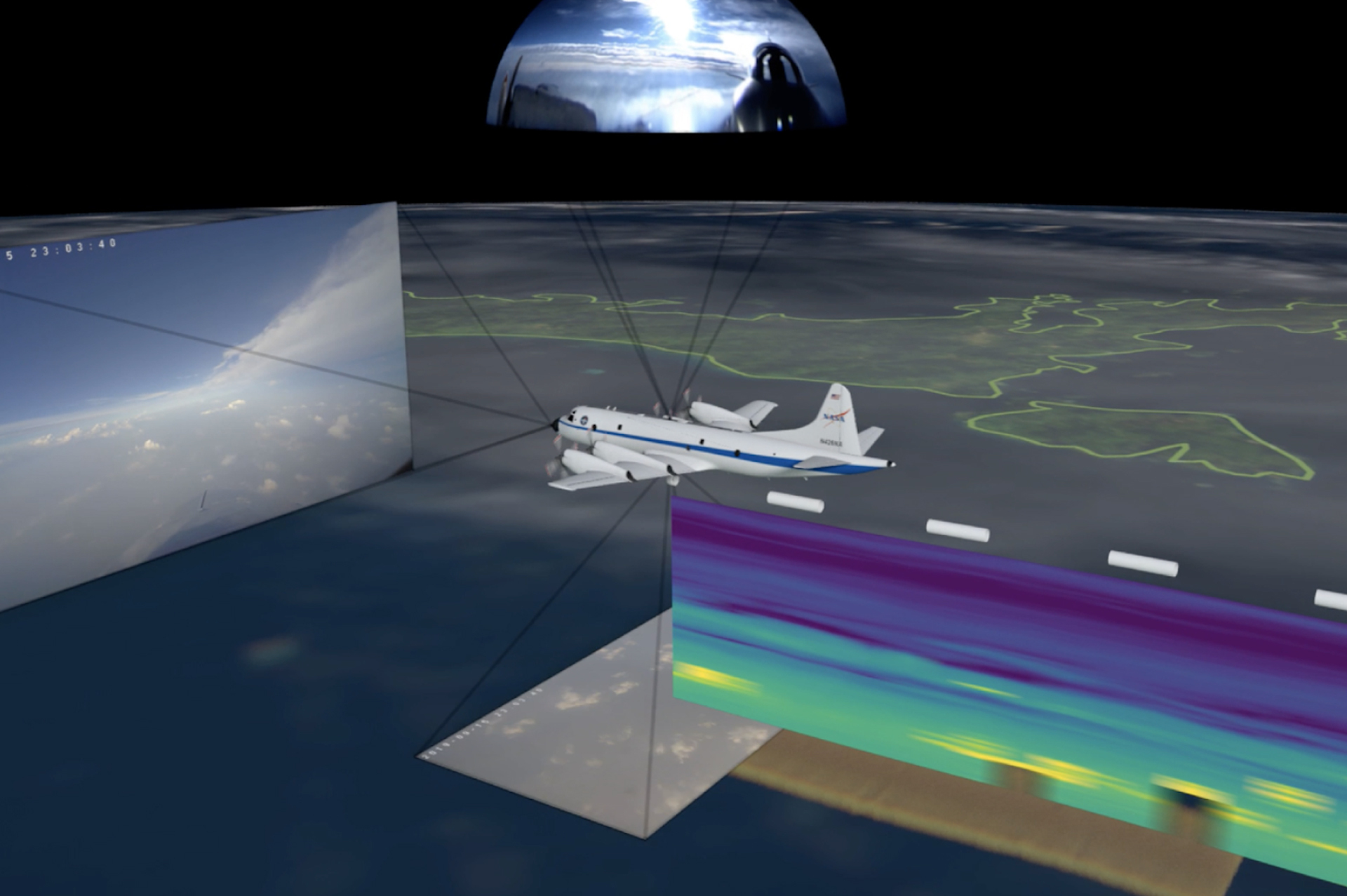
NCSA’s Advanced Visualization Lab worked with researchers and scientists to make Earth data more accessible and easier to process.
Witnessing the rise of supercomputing over the years, NCSA leaders share milestones and fond memories in this retrospective feature.
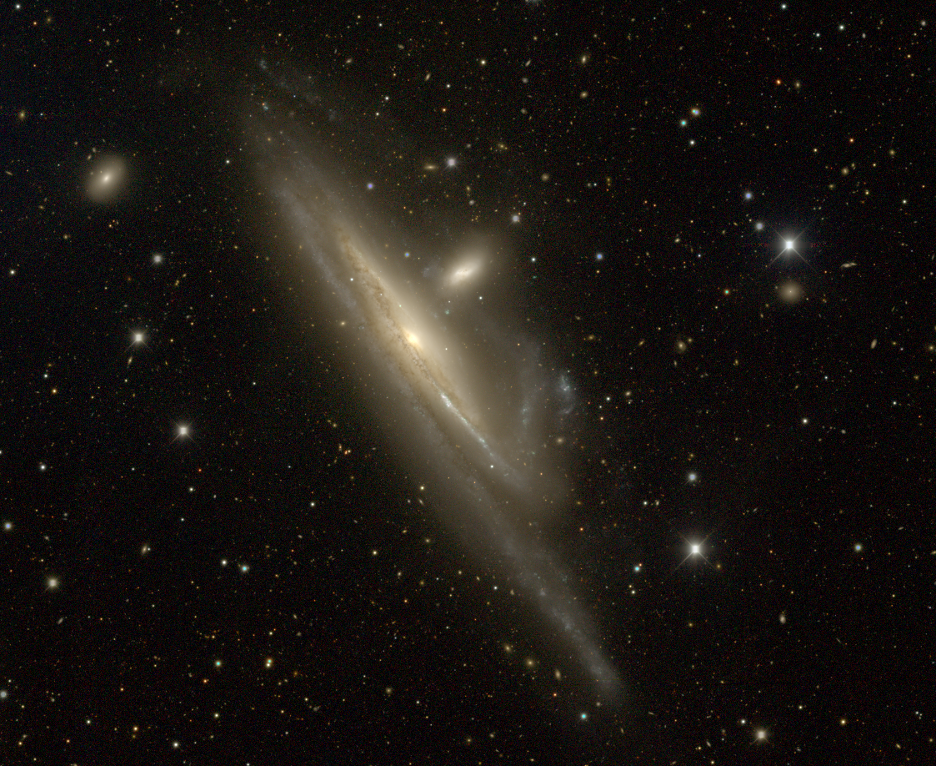
NCSA has processed and extracted more than 390 million astrophysical sources, most of them corresponding to galaxies.
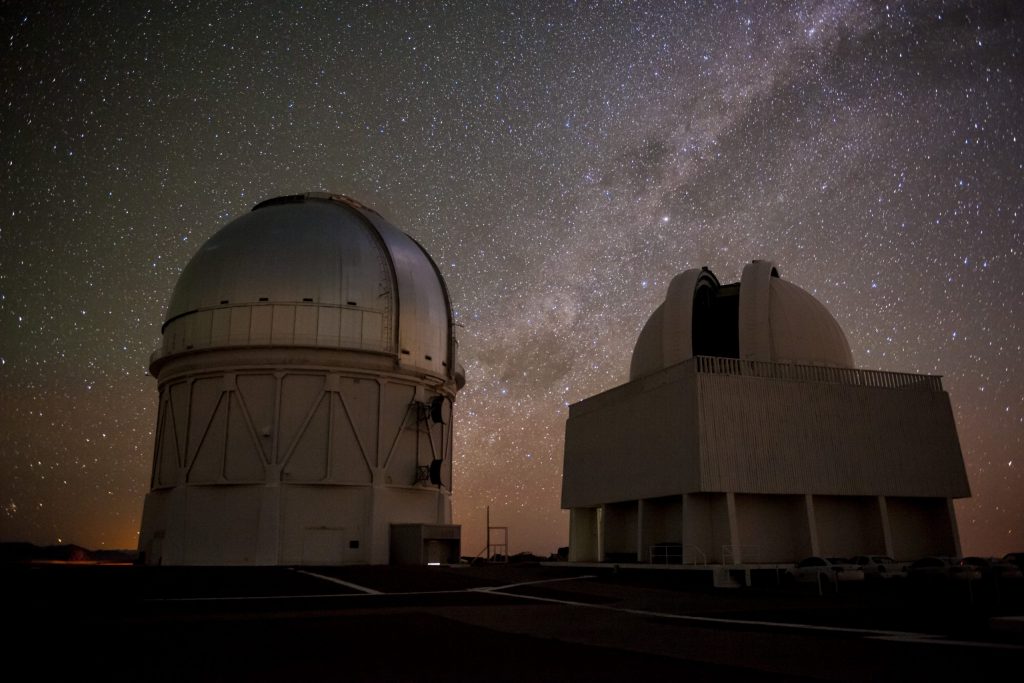
NCSA-supported research helps map the Eridanus supervoid near Earth. Verifying its existence could mean that the universe is expanding faster than expected.
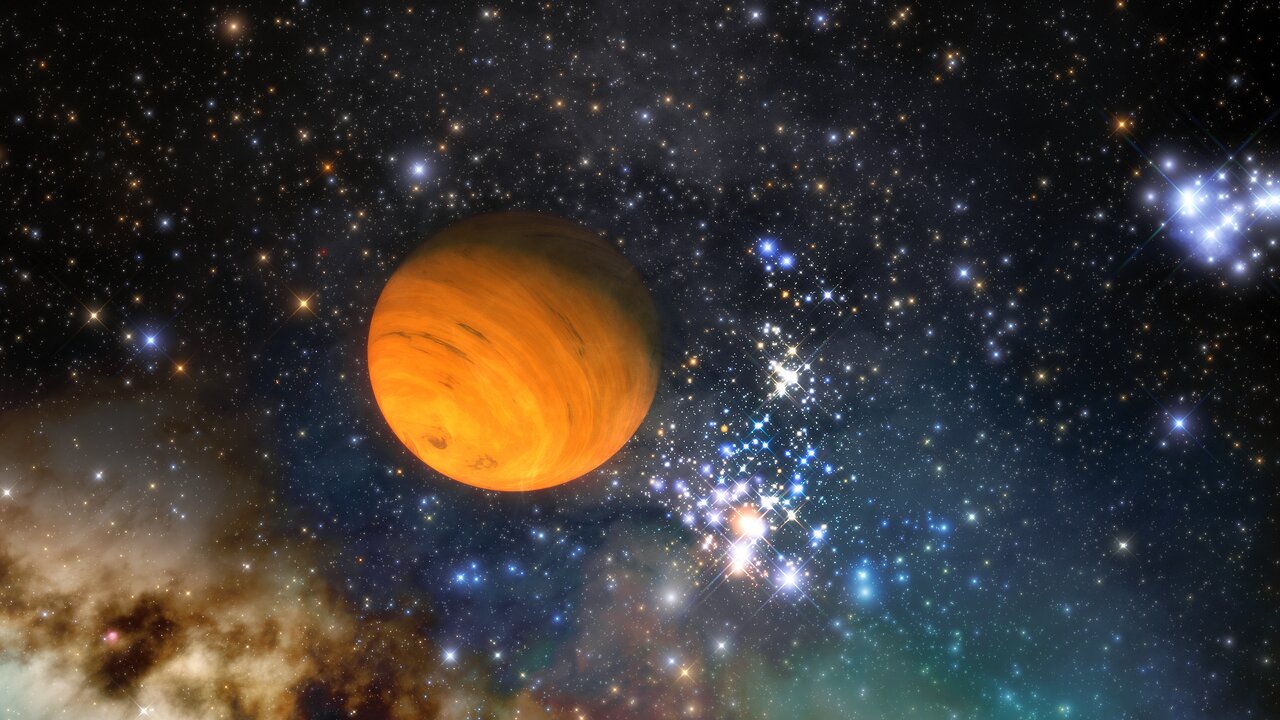
Through the Dark Energy Survey, astronomers discovered more than 70 Jupiter-sized exoplanets in the Milky Way.

C3.ai DTI invites scholars, software developers, and researchers to advance the science of digital transformation with artificial intelligence (AI) designed to harden information security (Infosec) and secure critical infrastructure.
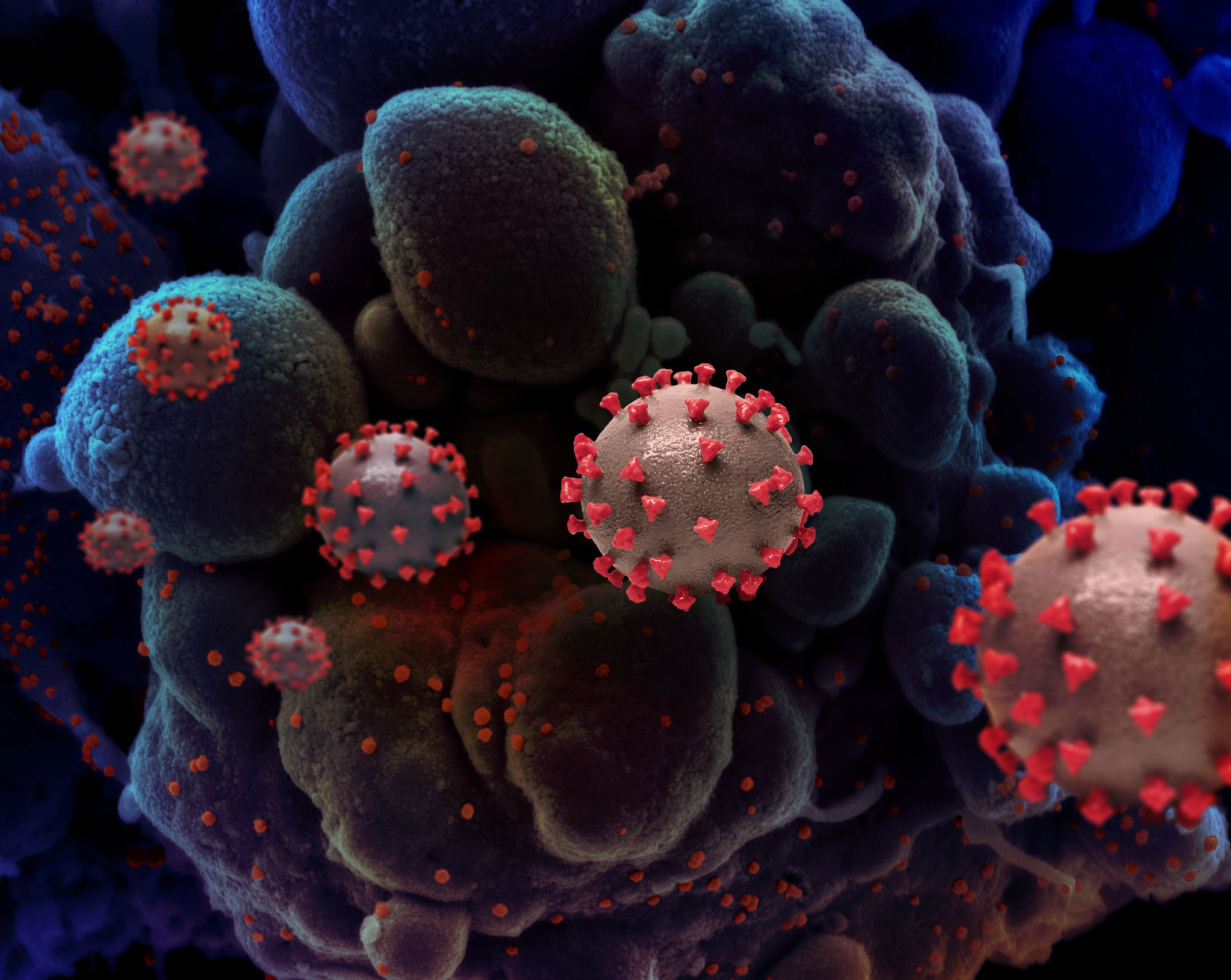
Working closely with the Center’s Healthcare Innovation Program Office, the NCSA Visual Analytics team and faculty affiliates collaborate with NIH and ISB scientists to gain insight into future COVID-19 treatments.